United States

This week’s <i>Special Report</i>, written by Miroslav Aradski, highlights the worrisome deterioration in health trends in the US, which began before the pandemic. Over the long haul, this could weigh on labor supply and productivity, put upward pressure on bond yields, and hurt equity multiples.
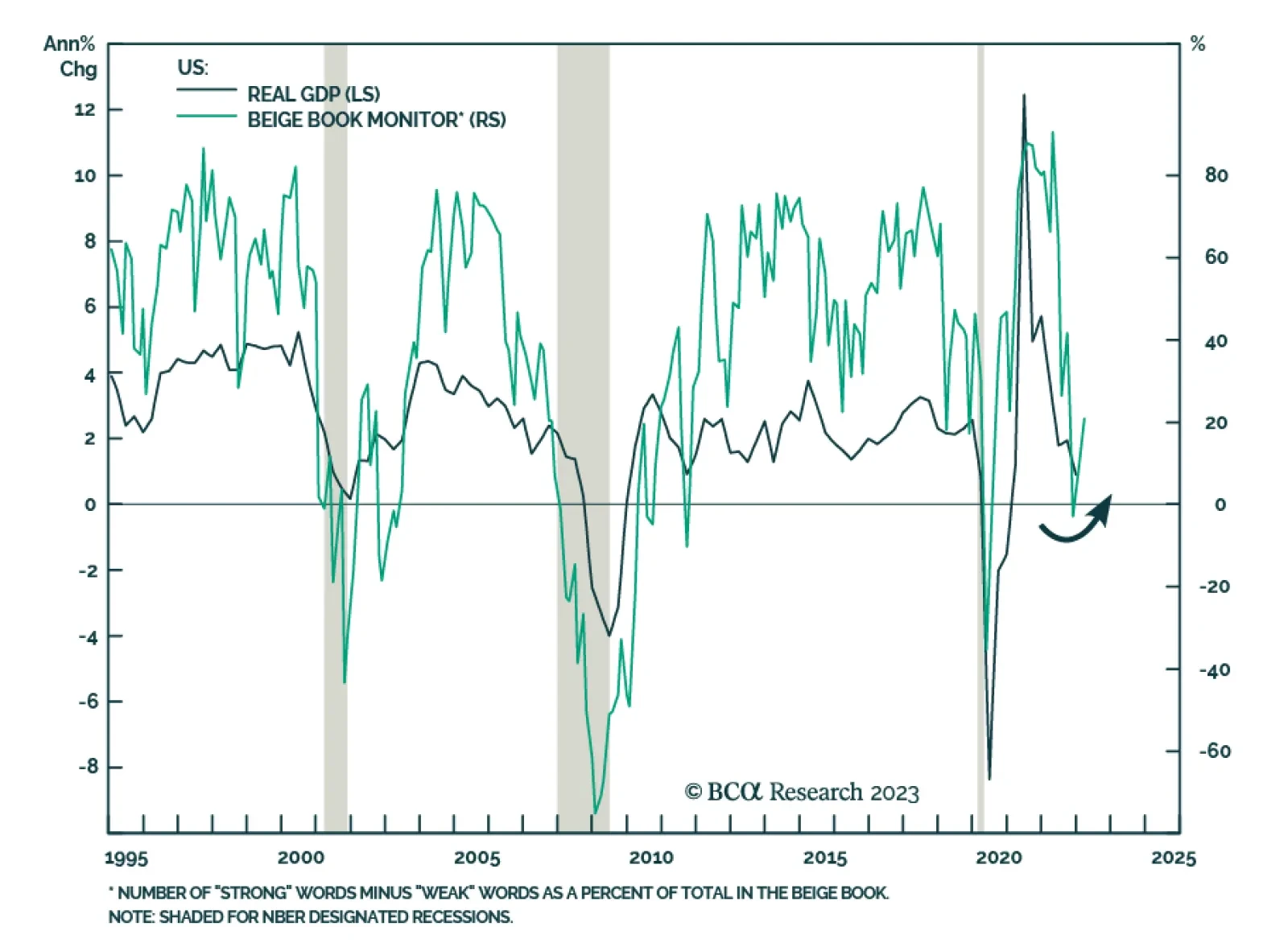
The development of trading blocs and the rise of economic warfare will lead to the inefficient allocation of resources. Higher fiscal outlays and tight commodity supplies will feed into energy prices driving headline inflation. It also will drive demand for inventories as hedges against supply volatility globally higher. We remain long equity exposure via ETFs to oil and gas producers, and metals miners. We also retain our exposure to commodities via the COMT ETF.
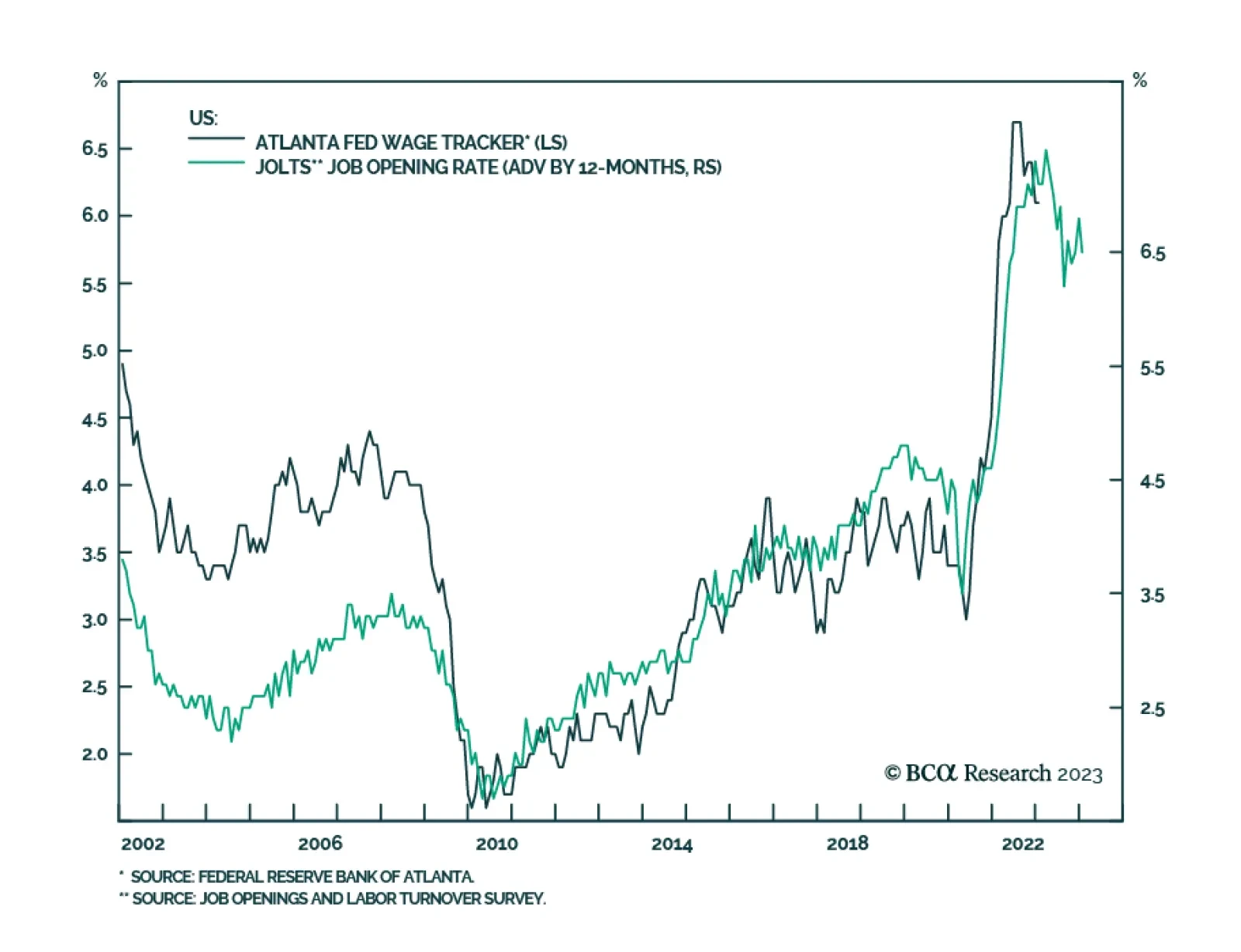
The combination of collapsing energy inflation and cooling wage inflation means that euro area core inflation will slump later this year. We discuss the consequences.
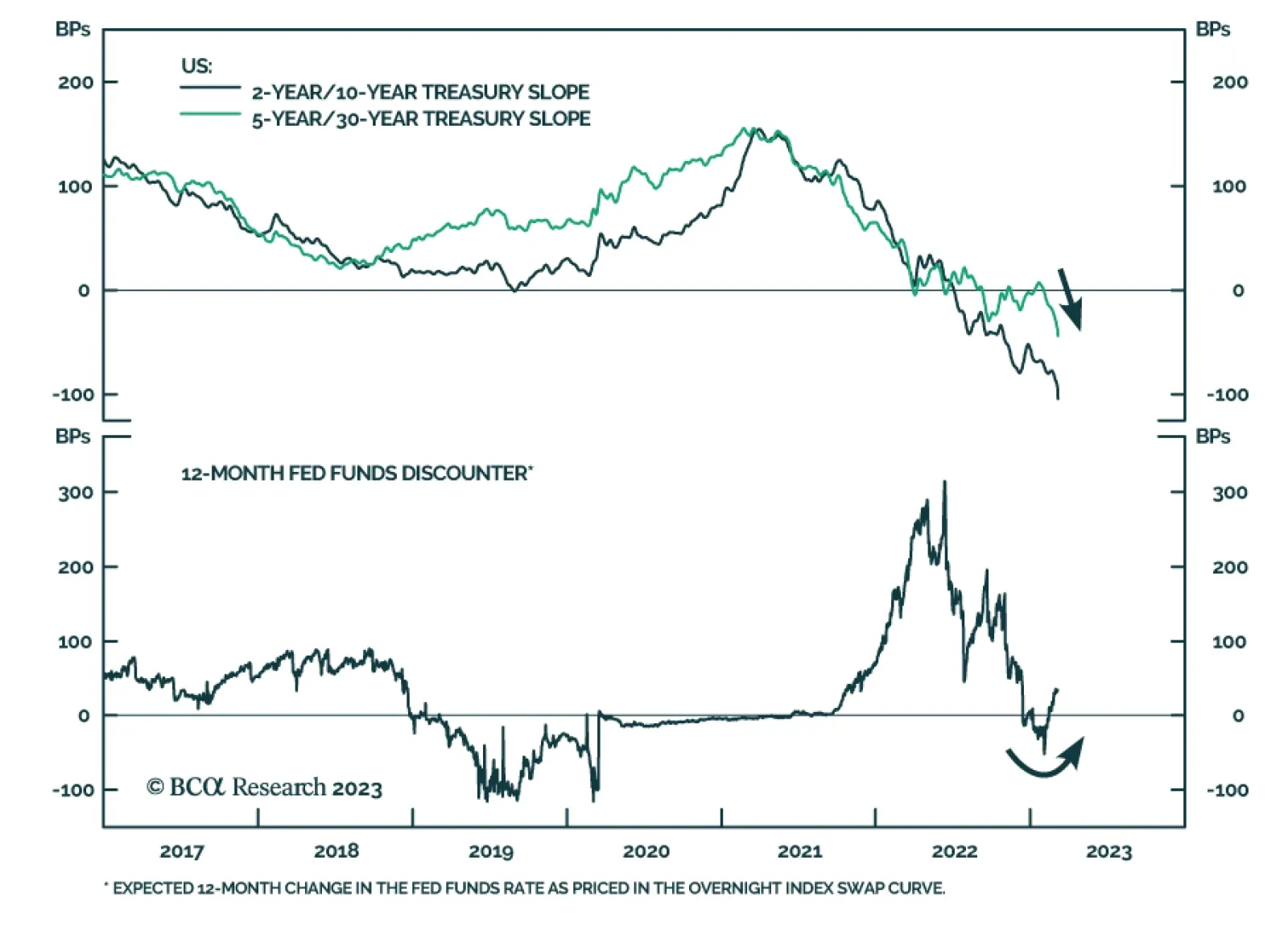
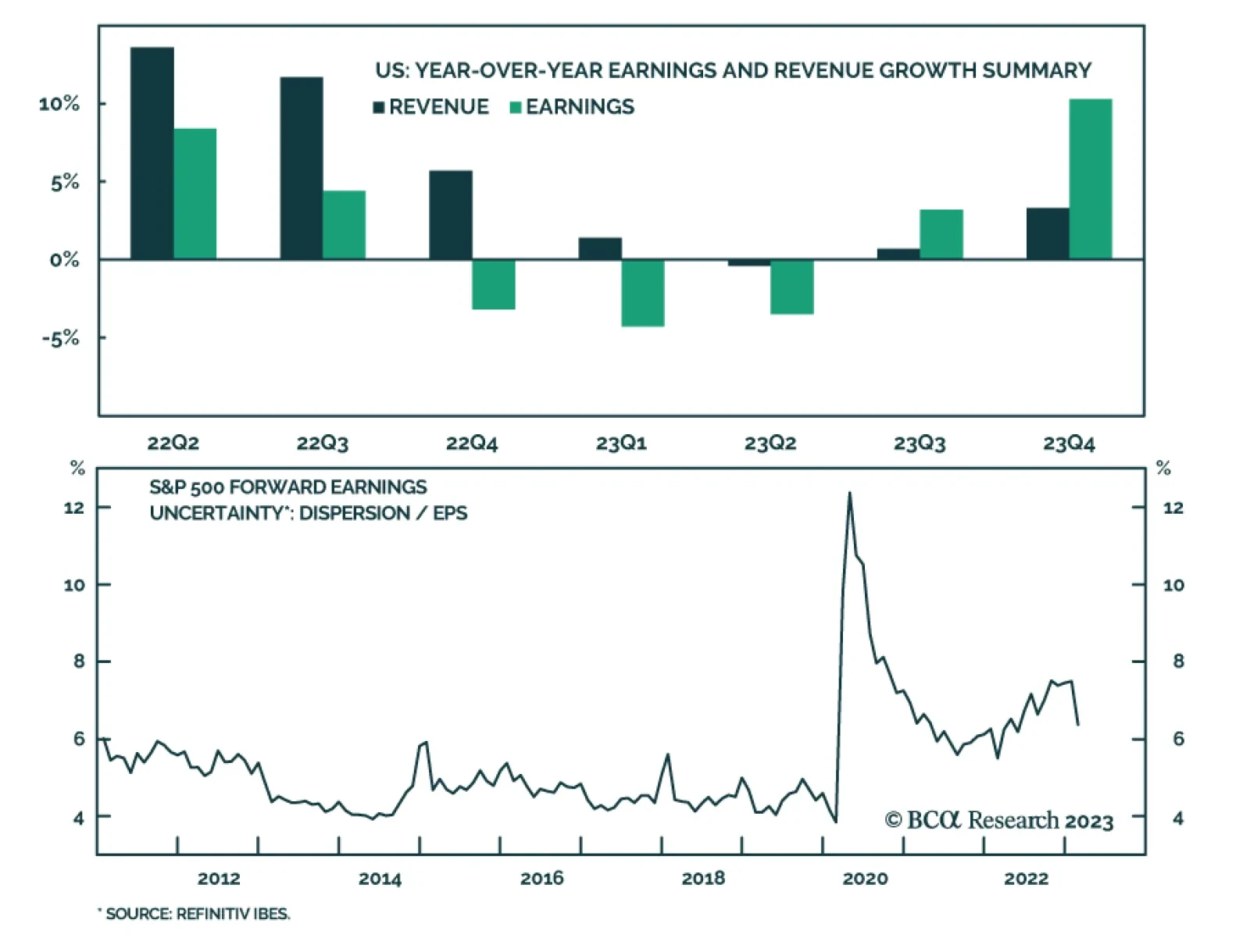
The equity market is back to the 2019 level on an inflation-adjusted basis. However, it is still not cheap as it is not pricing in the possibility of a prolonged and deep earnings recession or a higher interest rates regime. Many areas of the market that appear cheap, are cheap for a reason. The only industries that are cheap because they are growing into their valuations are Energy and Airlines. We are upgrading Airlines to equal weight.
This week we present our Portfolio Allocation Summary for March 2023.