
Sorry, you need to enable JavaScript to visit this website.
Skip to main content

United States

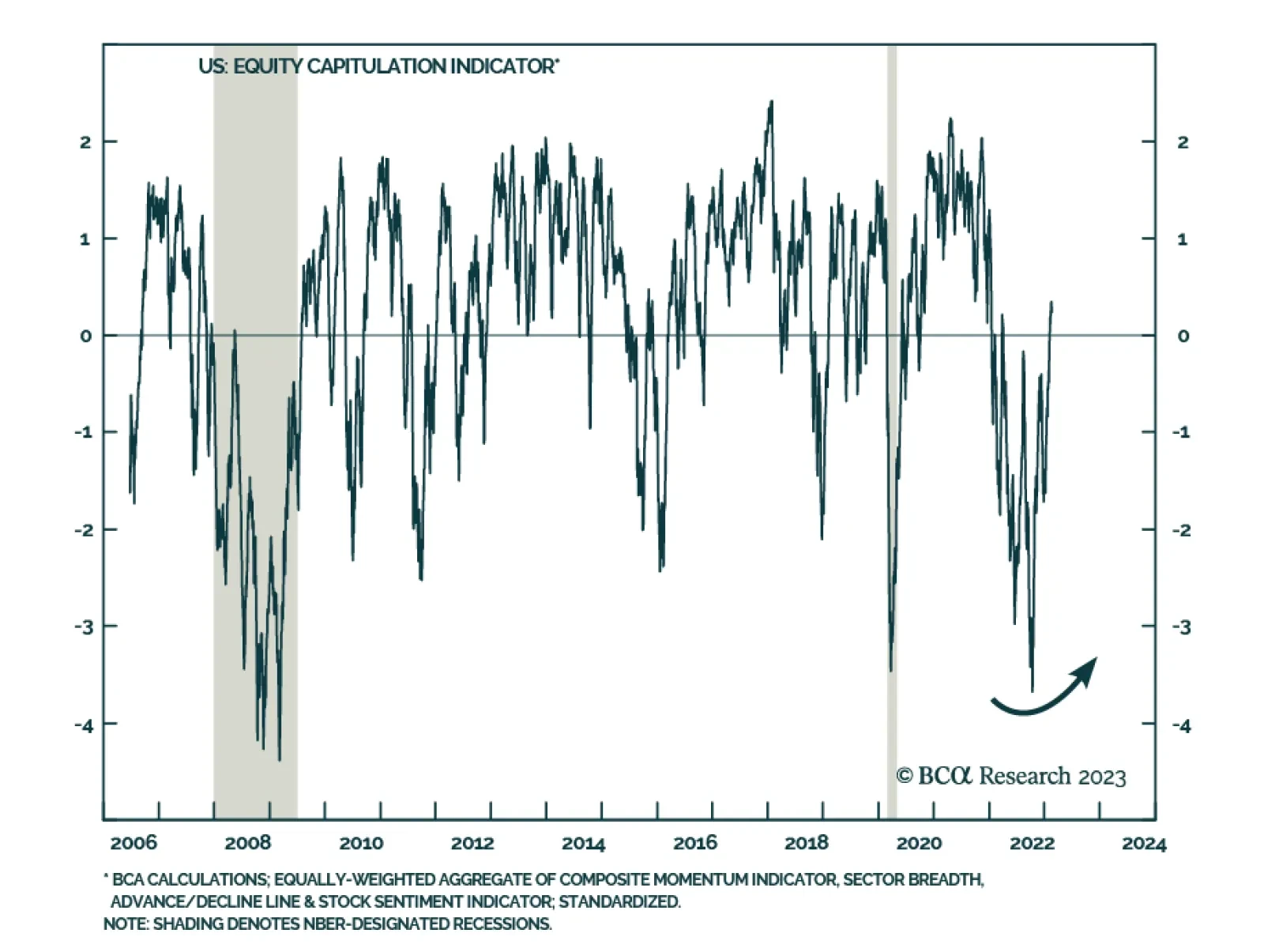
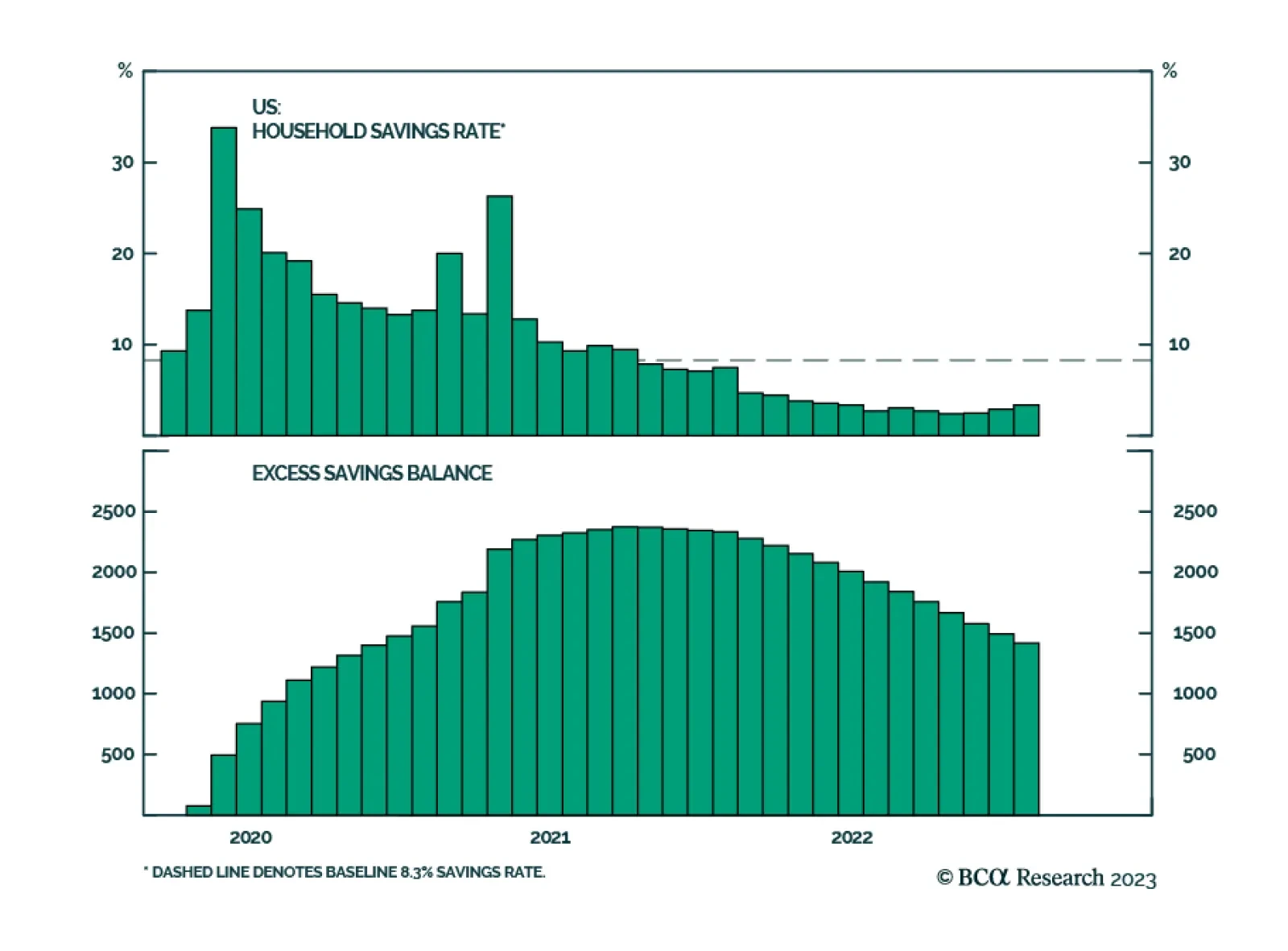
Our US Investment Strategy service is more optimistic about the US economy and US equity performance in the near term than the consensus inside and outside of BCA. Its near-term optimism largely derives from its view that US households have the capacity and…

Since 1970, the track record of US housing recessions as the ‘canary in the coal mine’ for economic recessions is a perfect four out of four: 1974; 1980; 1990; and 2007. If this perfect track record continues, the current US housing recession presages an economic recession that starts in 2023. We discuss the investment implications.
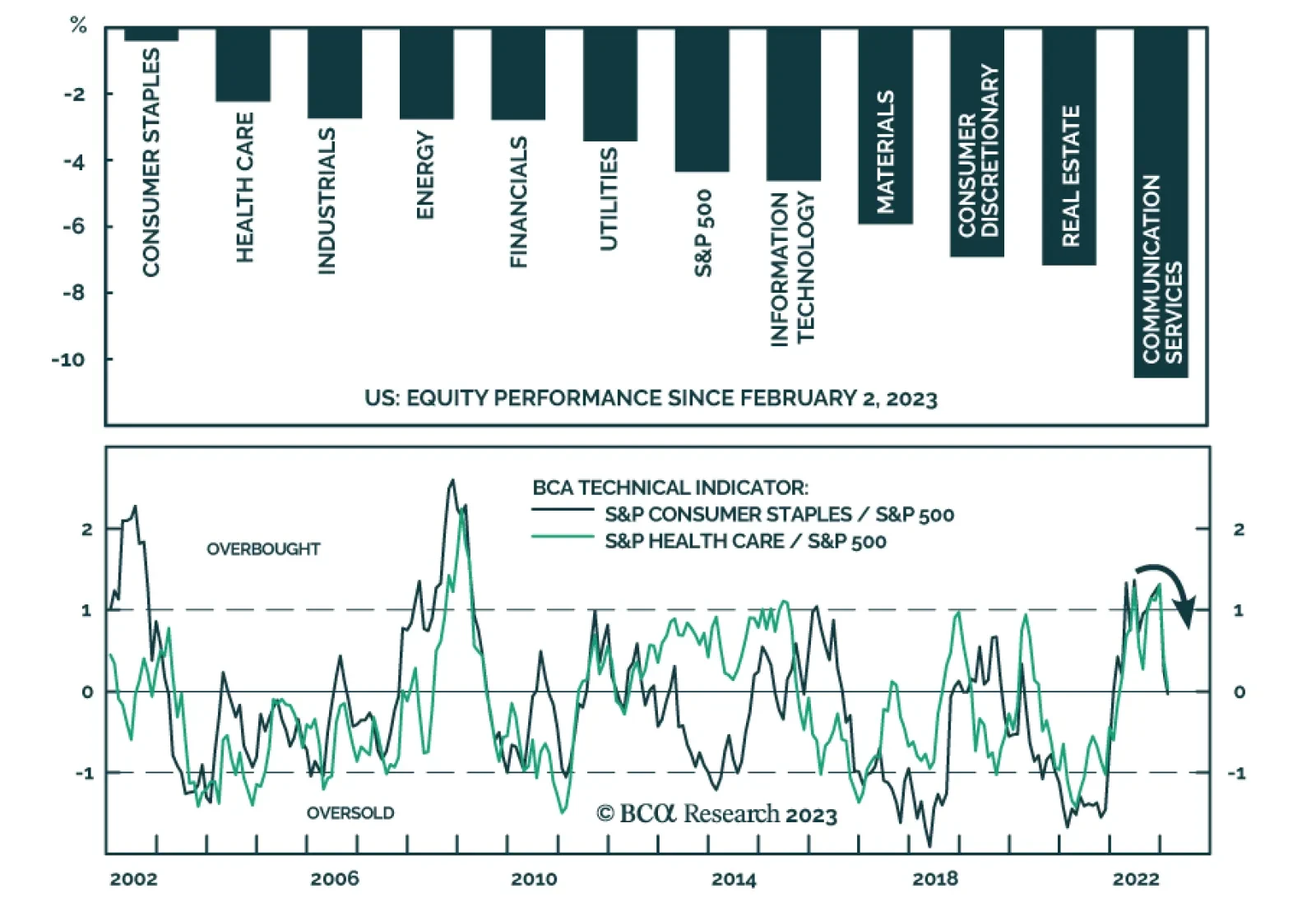
The equity weakness that began on February 3 is broad-based with all S&P 500 sectors registering declines over this period. Cyclicals and interest rate sensitive sectors are experiencing the brunt of the selloff with communication services (-10.6%), real…
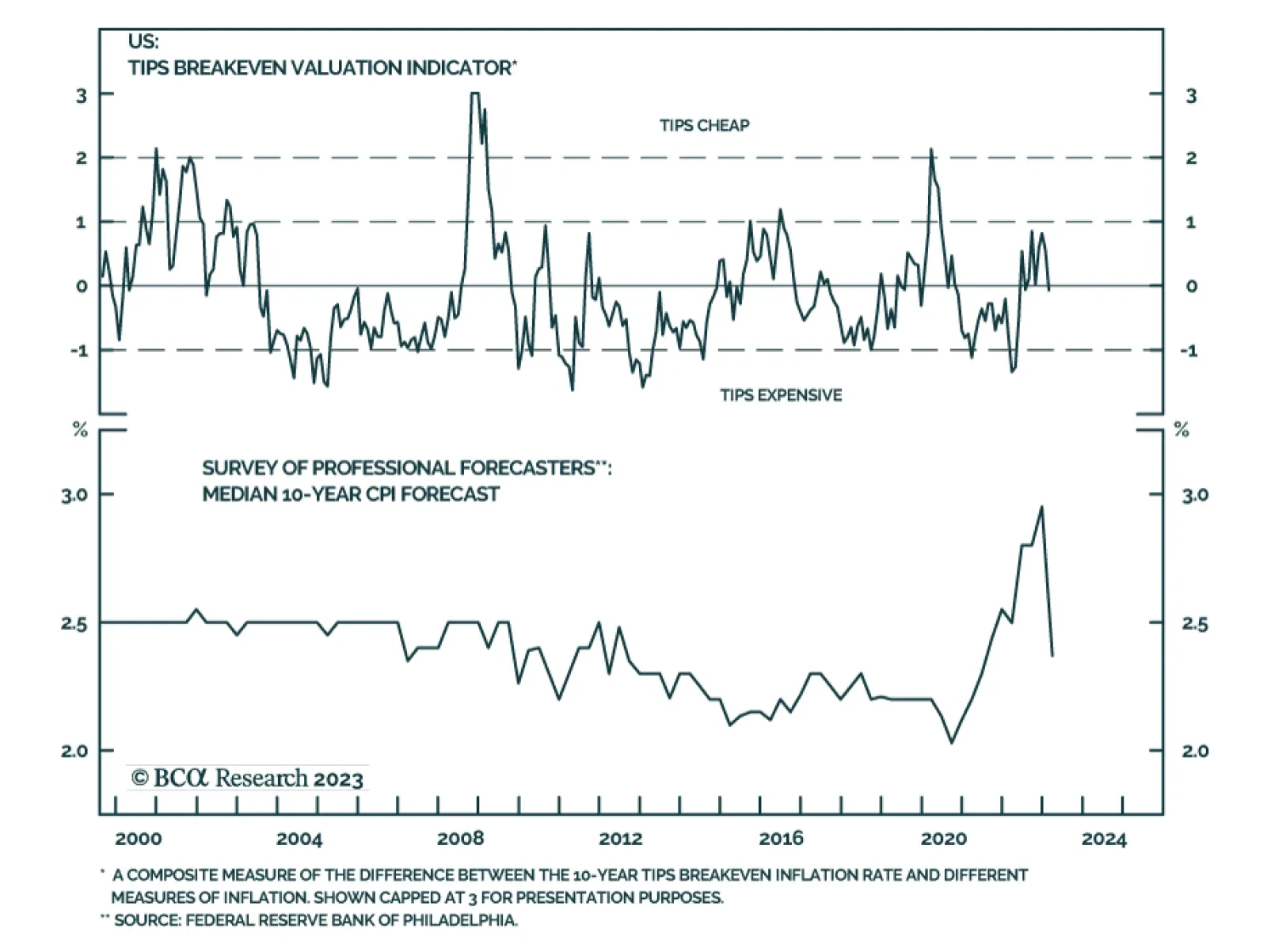
According to BCA Research’s US Bond Strategy service, US bond investors should overweight TIPS versus nominal Treasuries as a hedge against inflation taking longer to fall than they anticipate in their base case. While the team doesn’t see enough inflation…
The S&P 500 has rallied by an additional 6.2% so far this year, bringing its gain since its October 12, 2022 trough to 14%. Positive global developments including China’s reopening and the ebbing European energy crisis amid warmer-than-anticipated weather…

This week’s report considers the risk that inflation will be stickier than we anticipate, and looks at what a fair value for the 10-year Treasury yield might be in a scenario where the Fed keeps the policy rate on hold for a prolonged period.

We refresh our 2023 plan of attack to reflect the latest data and several rounds of discussions with clients in virtual and face-to-face meetings. We continue to expect a meaningful first-half rally in the S&P 500, despite revising our expected terminal fed funds rate 25 basis points higher.

The US equity market is in the midst of an earnings contraction driven by slowing sales growth – a manifestation of the weakening economic demand and loss of corporate pricing power that accompany disinflation. The telecommunications industry is a defensive industry that faces many challenges: Low growth, cut-throat competition, and incessant demands for capital investment.
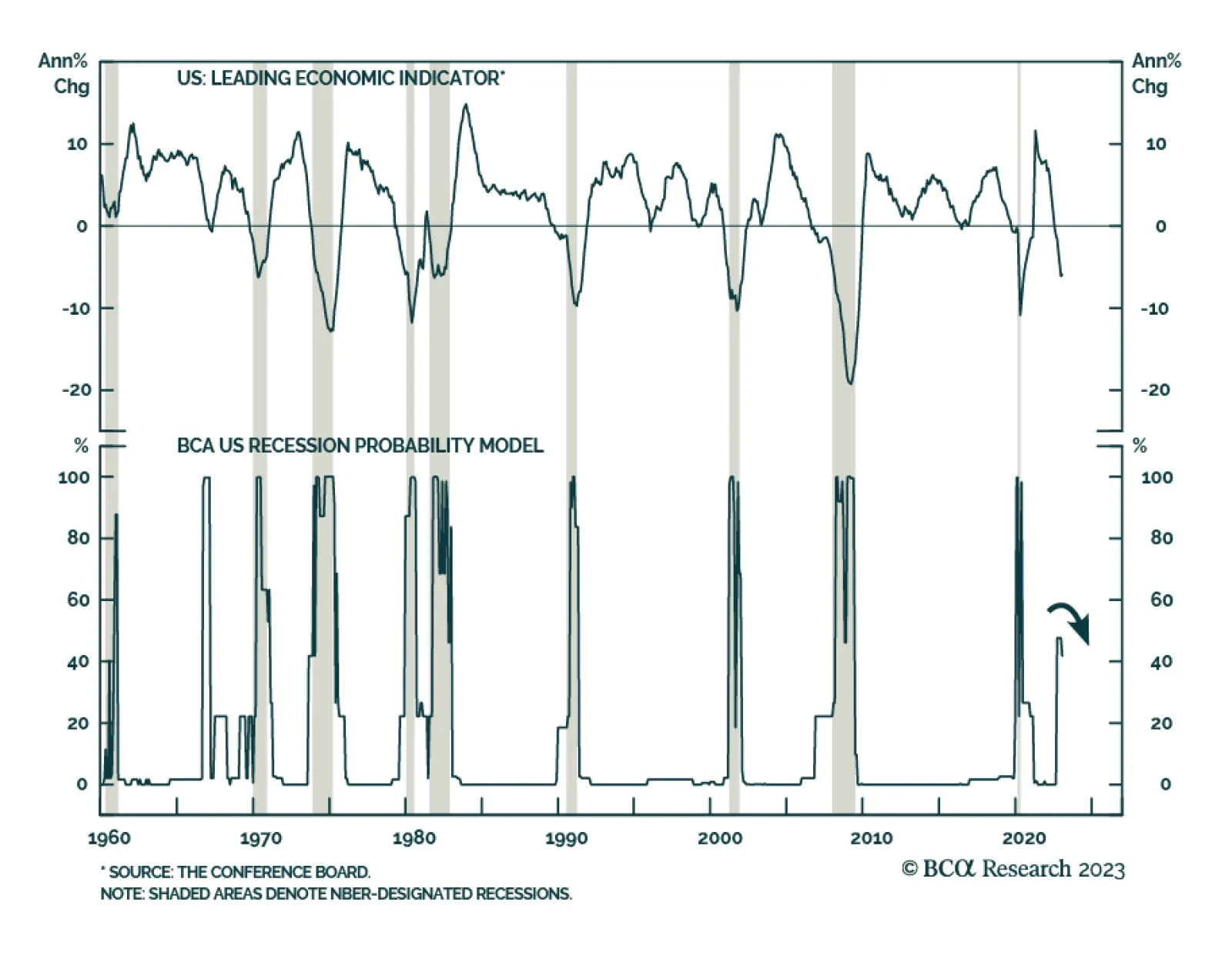
The Conference Board’s US Leading Economic Indicator (LEI) fell by 0.3% m/m in January, marking the 10th straight monthly decline. The LEI is a leading indicator of recessions whereby it typically contracts on a year-on-year basis in the lead-up to a…
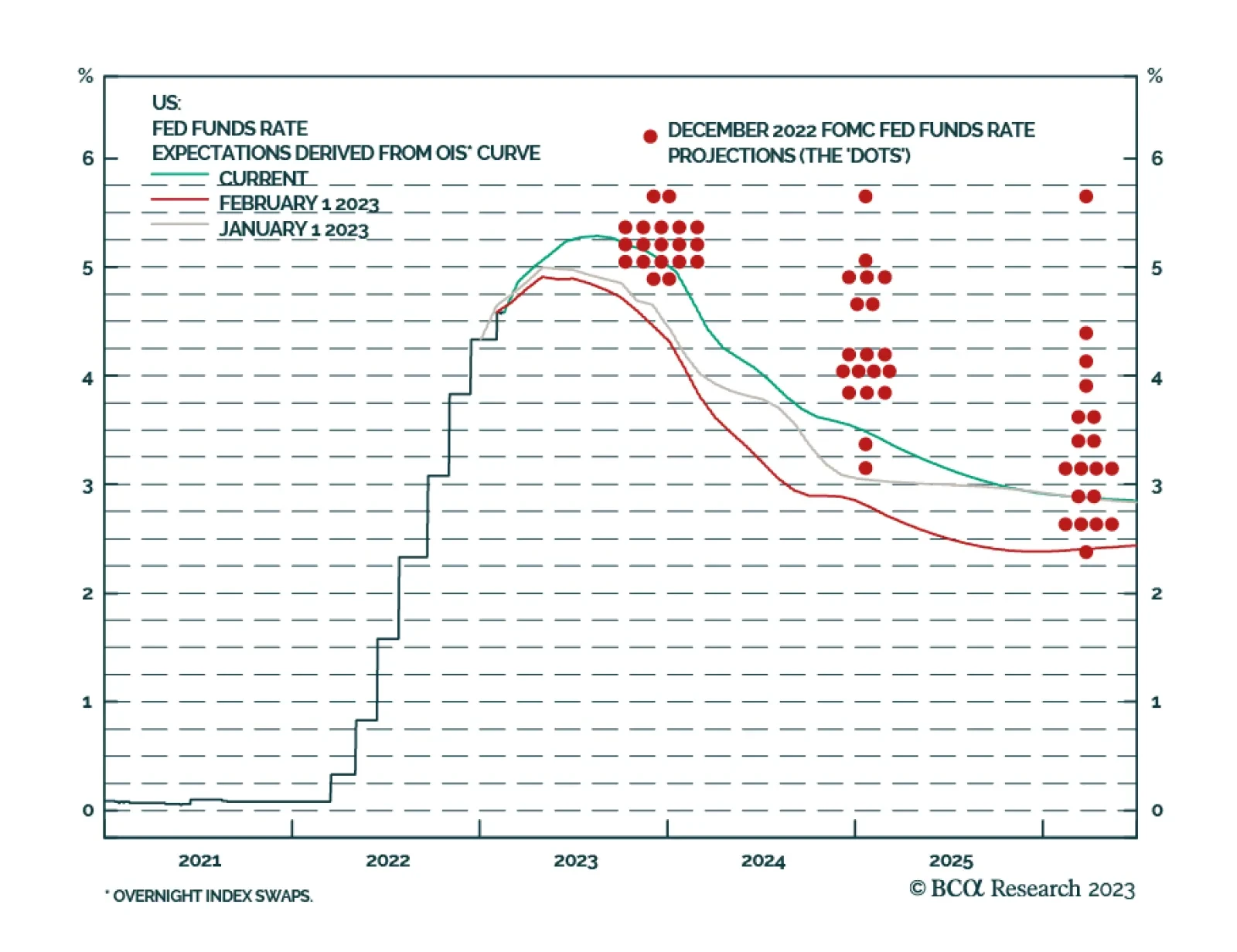
Stronger than anticipated economic data releases have caused market participants to revise their fed funds rate projections. Investors now expect the Fed will have to hike rates to a higher terminal rate and hold them there for longer than they were…