Sorry, you need to enable JavaScript to visit this website.
Skip to main content

United States

The backdrop for corporate bonds is turning more risky after the spread tightening seen over the past few months in the US and Europe. A tour of our favorite corporate spread valuation metrics on both sides of the Atlantic suggests a worsening cyclical risk/reward tradeoff for both investment grade and high-yield bonds, especially in the US.
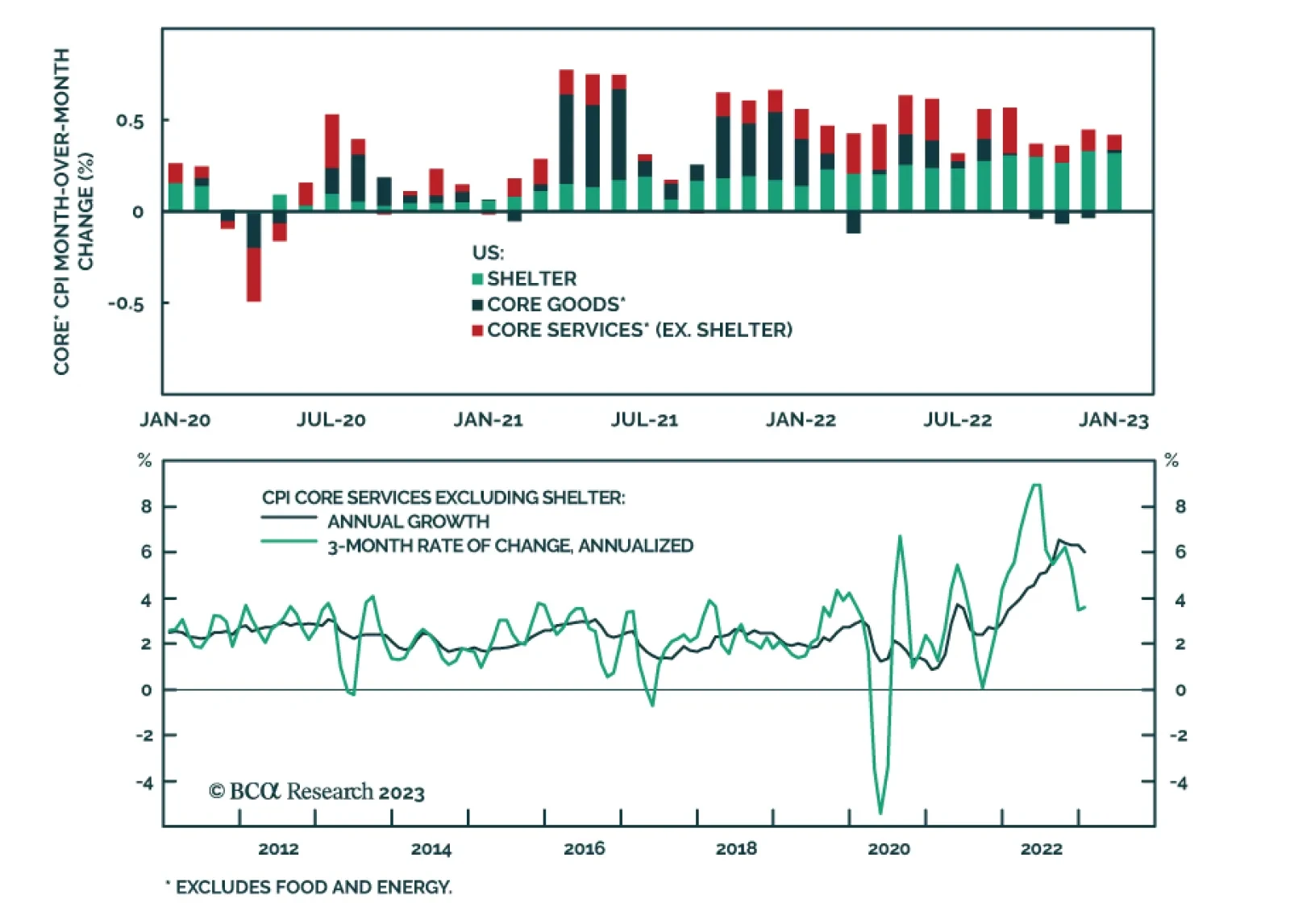
US headline CPI inflation eased slightly from 6.5% y/y to 6.4% y/y in January – above consensus estimates of a greater decline to 6.2% y/y. Similarly, core inflation’s moderation from 5.7% y/y to 5.6% y/y was a slight disappointment to expectations it would…
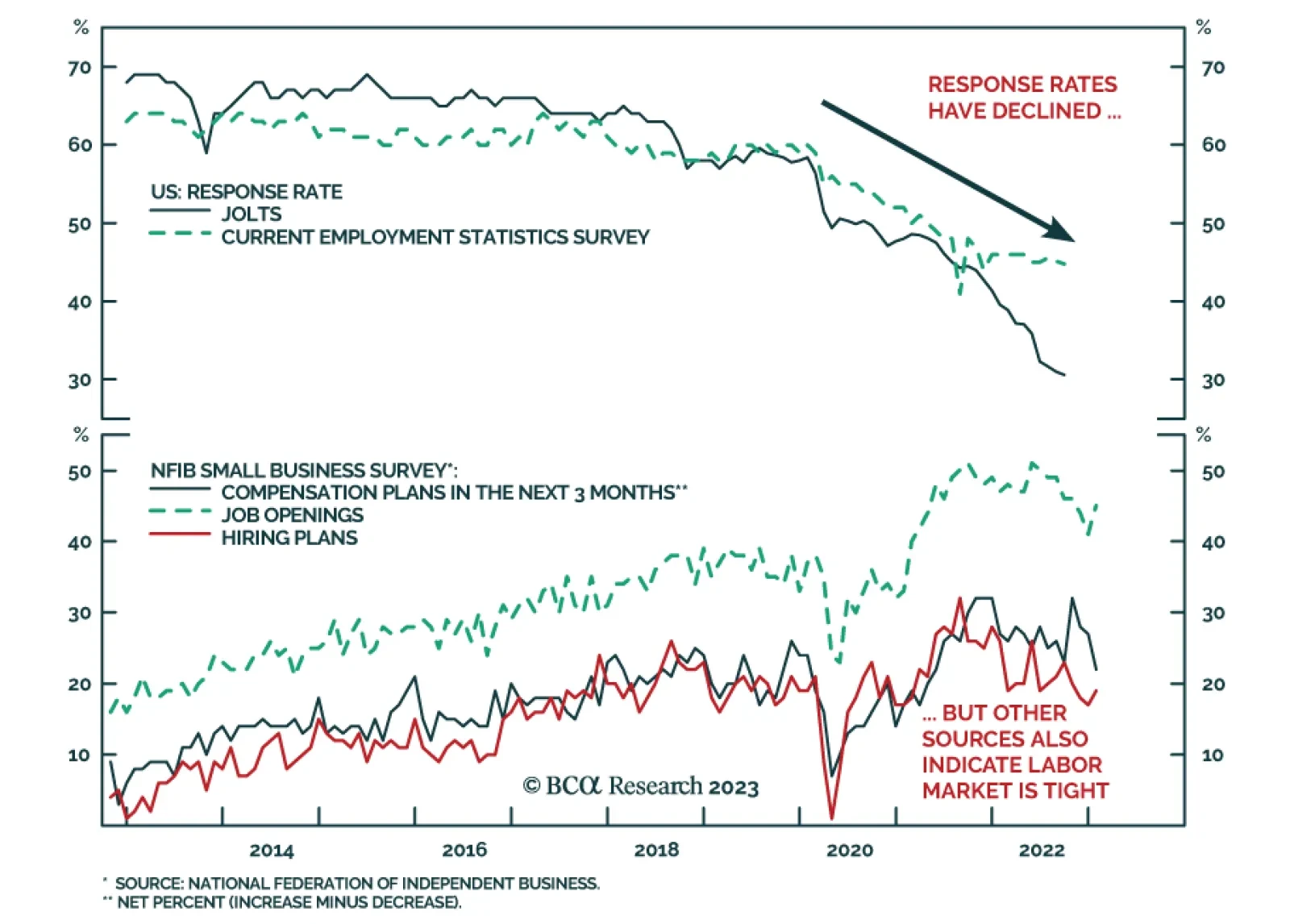
The reported 517k surge in nonfarm payrolls in January has caused some market commentators to question the accuracy of this figure. The decline in the surveys’ response rate is among the factors being raised – alongside seasonal adjustments and new population…
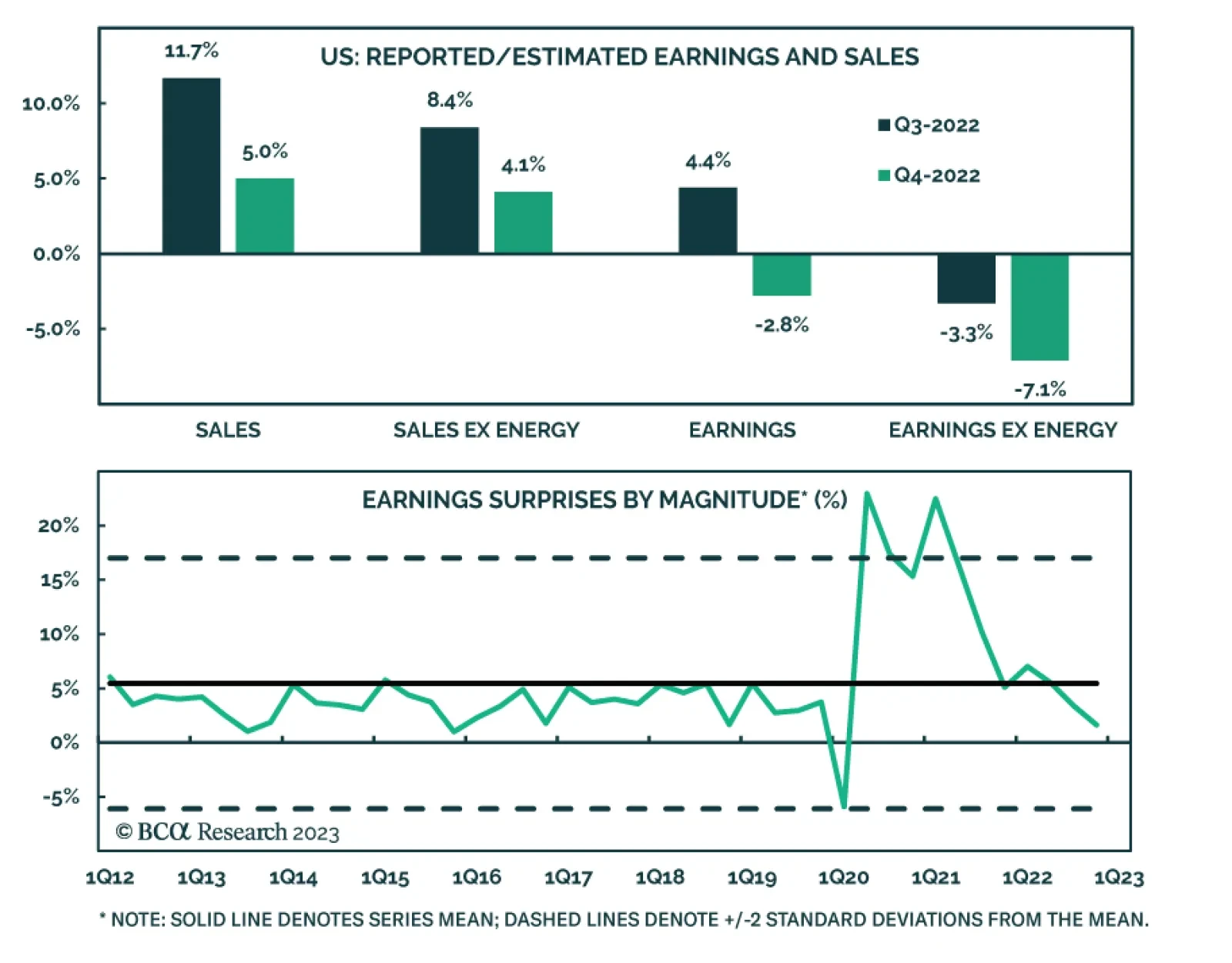
As the Q4-22 earnings season draws to a close with 344 of the S&P 500 companies reporting as of February 10th, we can take stock of the results.  According to Refinitiv/I/B/E/S: Earnings Season By Numbers Earnings growth: Year-over-year…
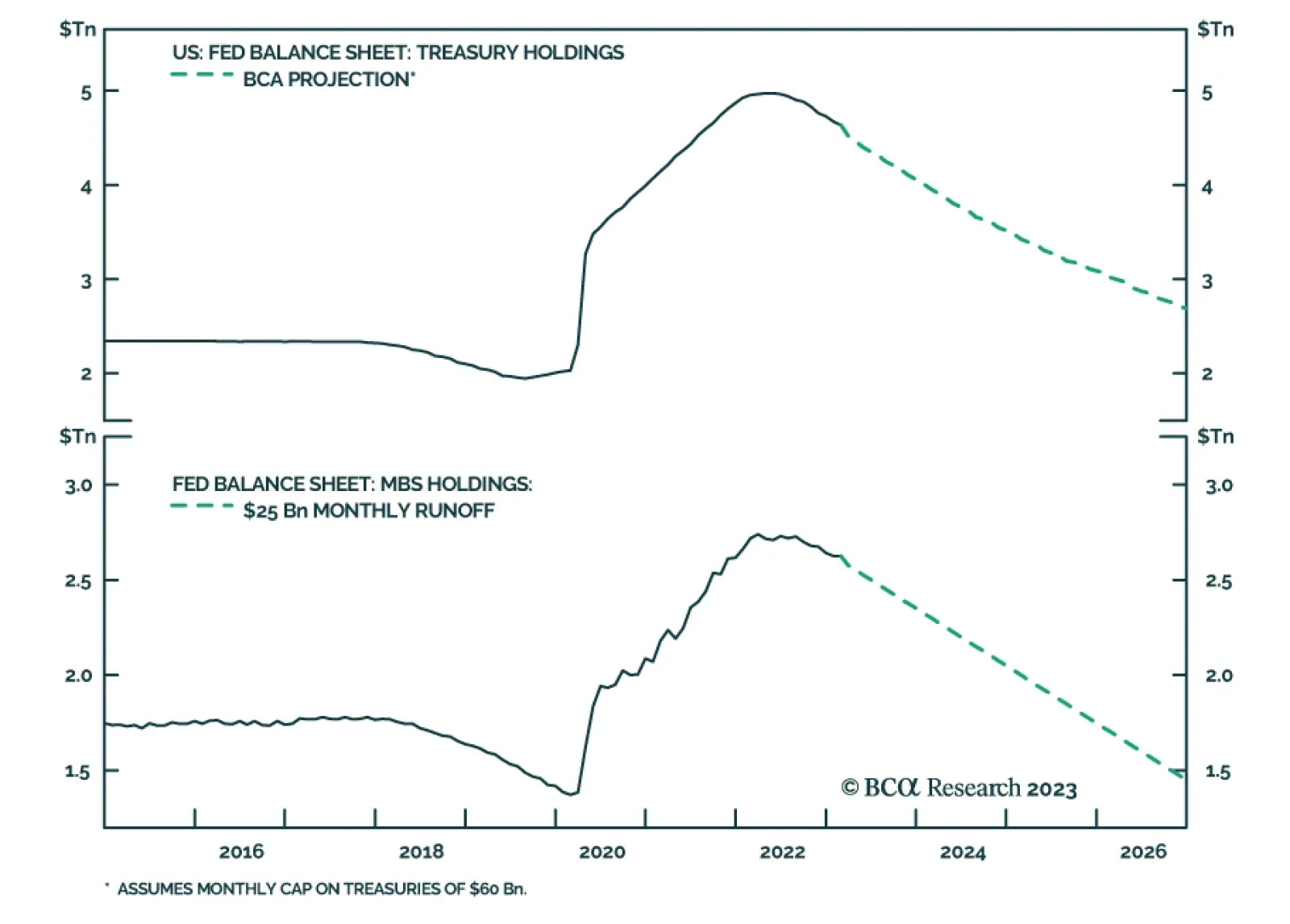
According to BCA Research’s US bond Strategy service at its current pace, the Fed’s QT program will continue for at least the next 12 months, and possibly longer. Fed Governor Christopher Waller outlined the Fed’s current thinking about its balance sheet…
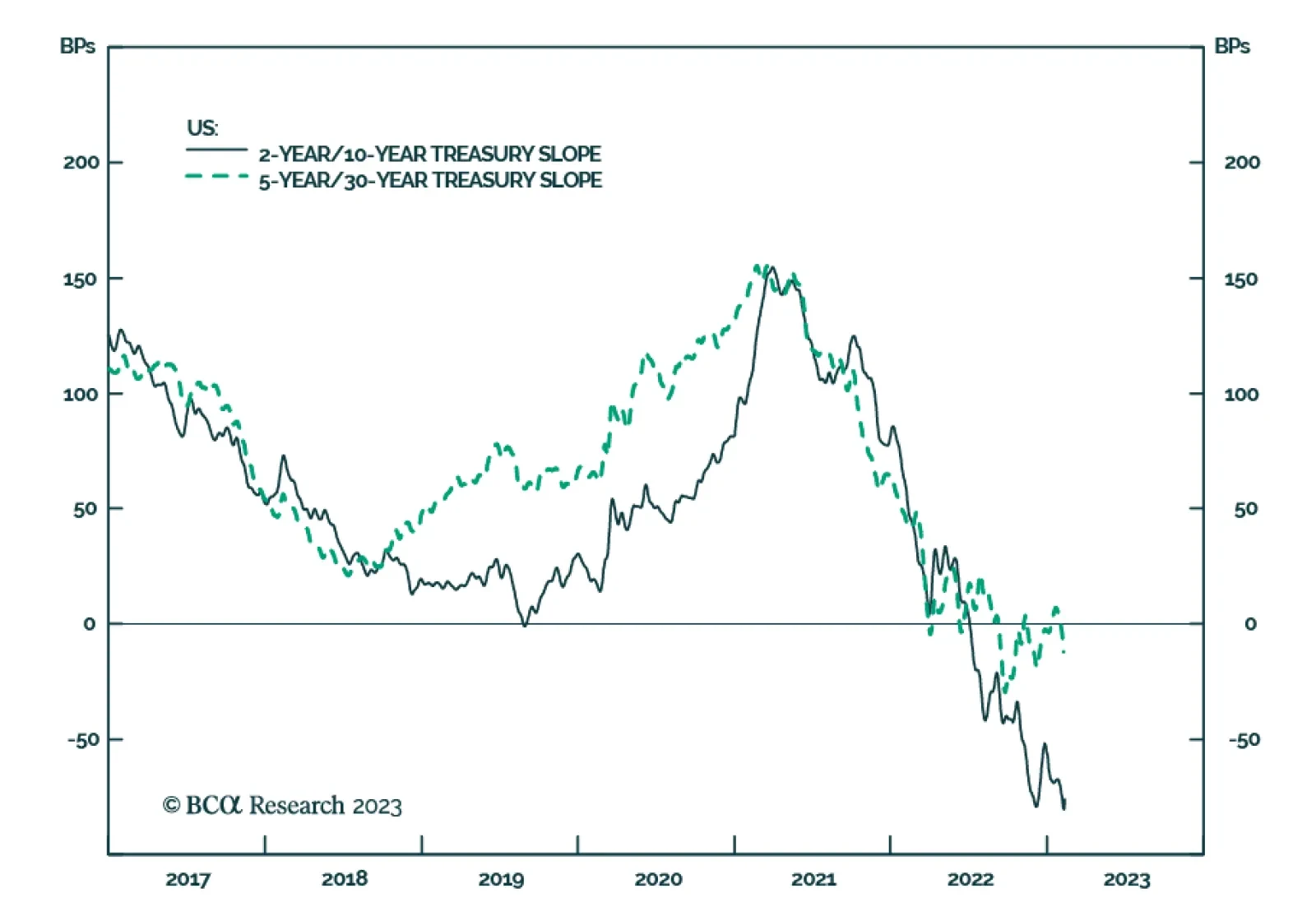
The interest spread between 2-year and 10-year Tresaurys widened on Monday ahead of the January CPI release, nearing last Thursday’s multi-decade extreme. This latest bout of curve flattening follows the February 3 US jobs report showing nonfarm payrolls…
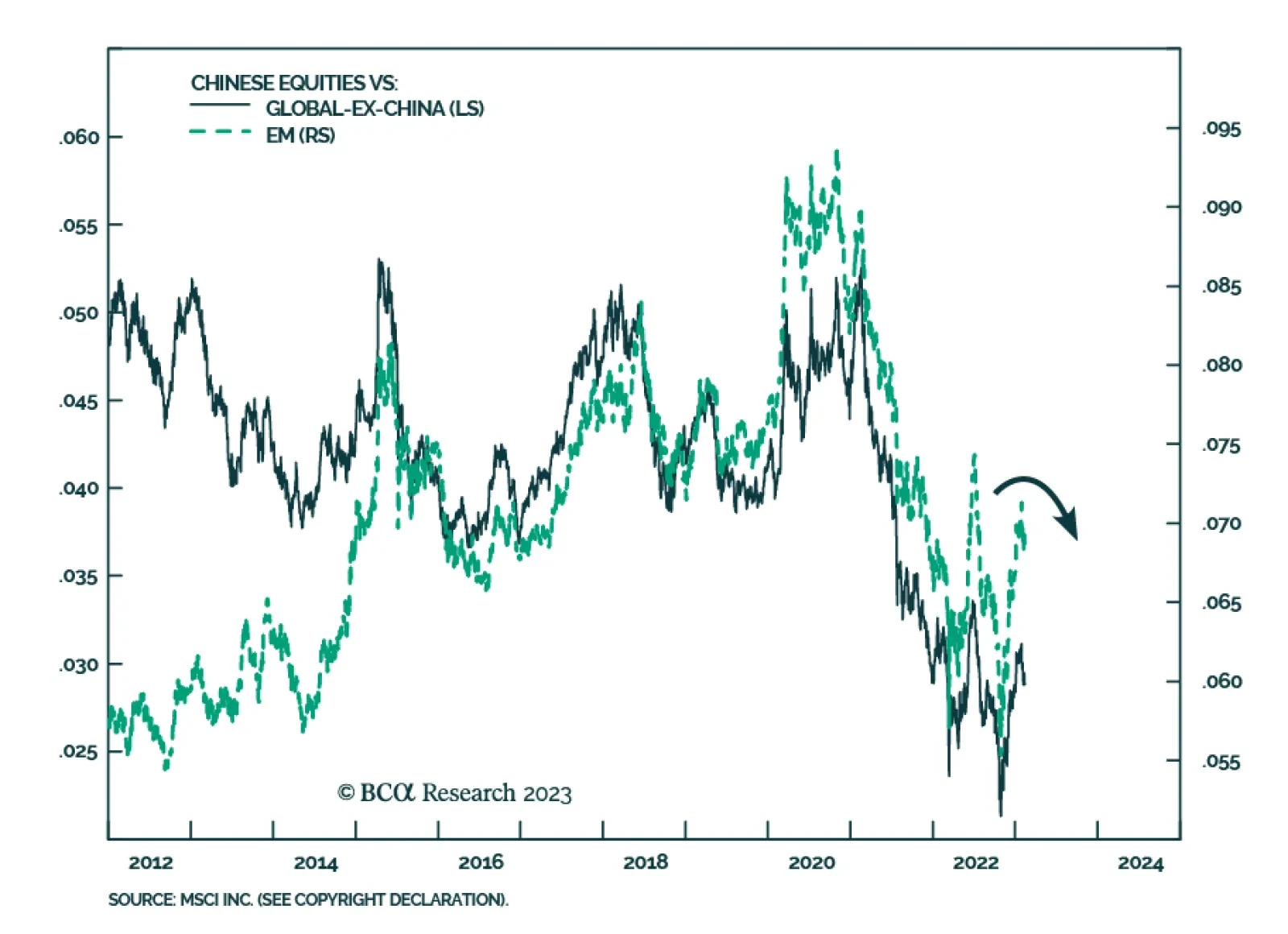
US-China relations hit another rocky patch this month following a series of incidents involving spy balloons and other mysterious aircraft. The US shot down flying objects that entered US and Canadian air space on February 4, 10, 11, and 12. Much remains…
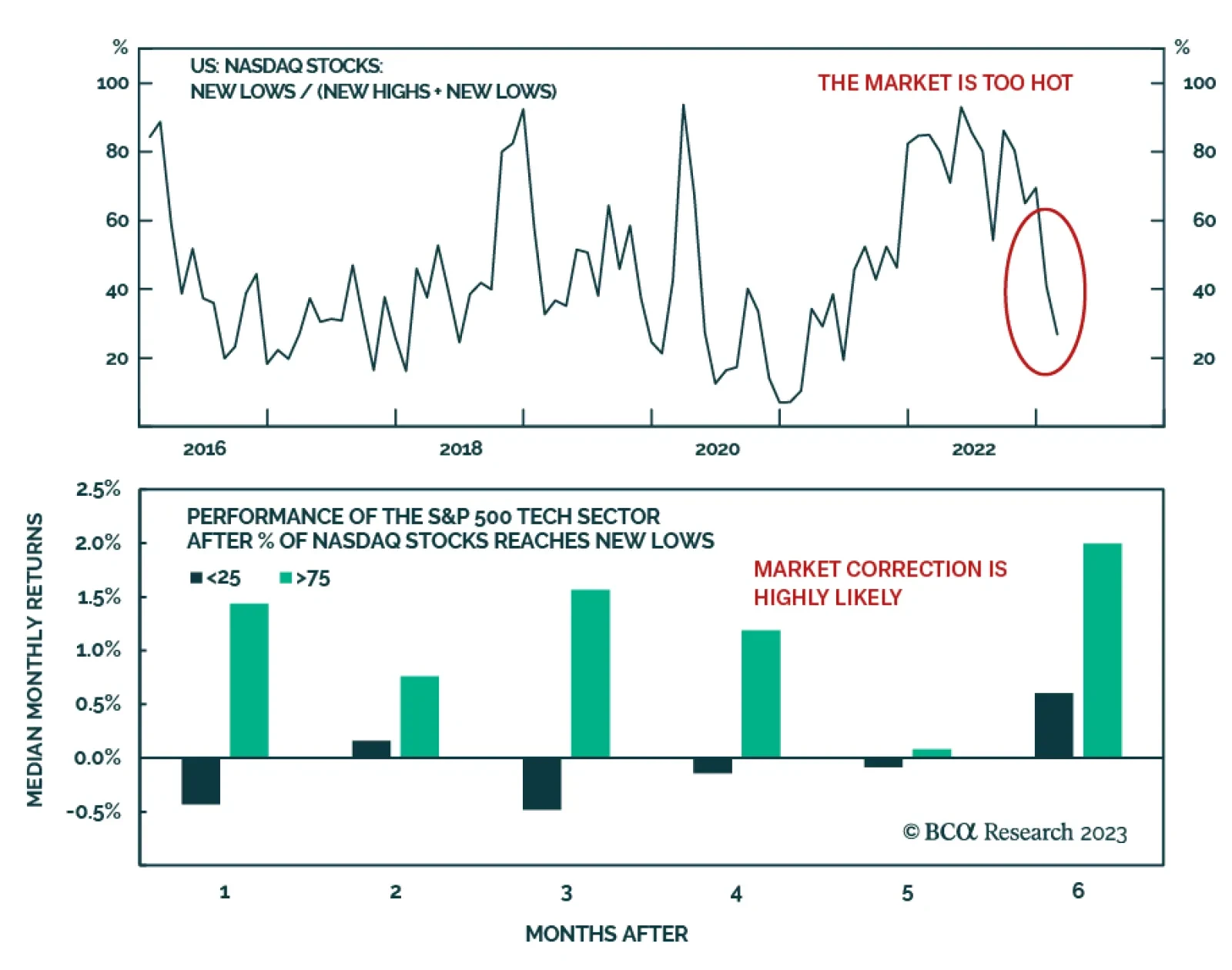
According to BCA Research’s US Equity Strategy service, there will be a better entry point into overweighting the US Technology sector. Macroeconomic and business conditions are gradually becoming more favorable for Tech as the bottoming of demand is in…

We discuss the outlook for the Fed’s balance sheet and why QT is likely to continue for at least another year.

Macroeconomic and business conditions are gradually becoming more favorable for Tech as the bottoming of demand is in sight. Yet, we don’t believe that now is an attractive entry point - the good news is fully priced in, and technicals signal a pullback. However, the sector is worth monitoring as we are getting closer to a sustainable rebound. Our positioning remains unchanged.