
Sorry, you need to enable JavaScript to visit this website.
Skip to main content

United States

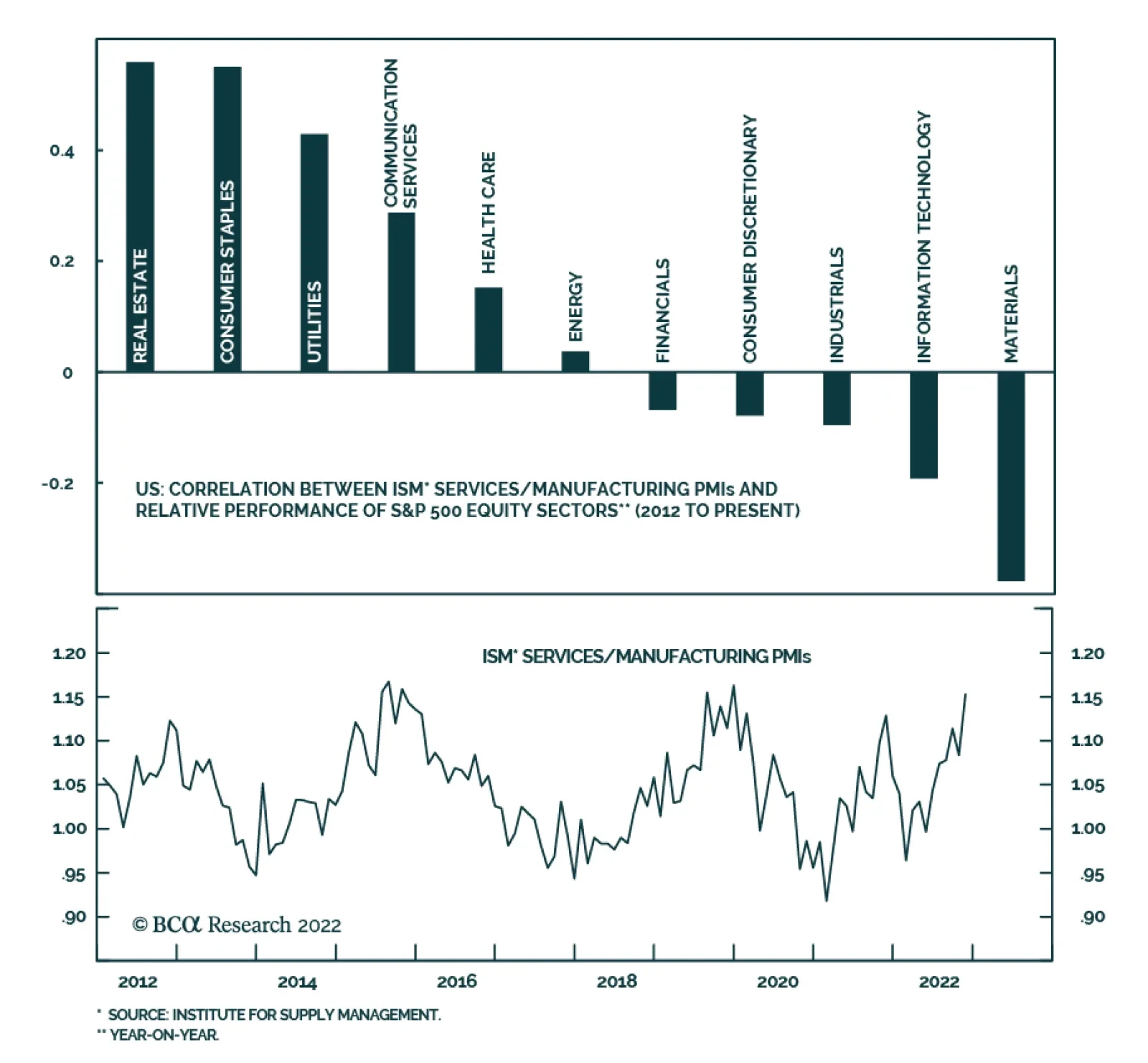
Since the beginning of the year, the US service sector has held up relatively better than manufacturing. The ongoing normalization in household demand for consumer goods following the pandemic binge is weighing on manufacturing activity. Meanwhile, pent-up…
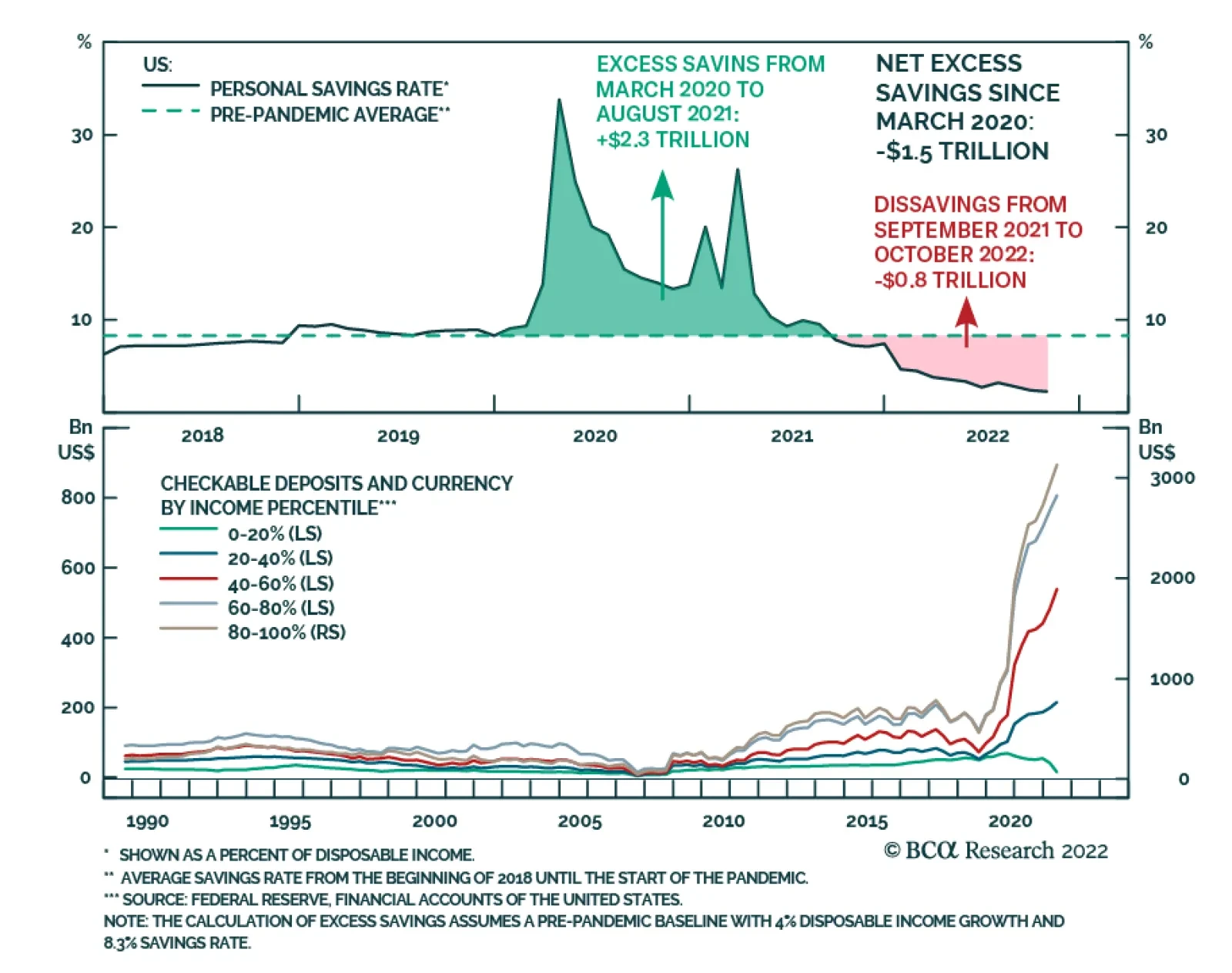
According to BCA Research’s Global Investment Strategy service, beyond the normal lags in monetary policy, four additional factors should delay the onset of a US recession until 2024. First, job openings remain elevated. In October, there were 1.7 job…

We expect a bullish gold environment in 2023, conditional on a more dovish Fed. We are hesitant to go strategically long gold, since our view hinges on one variable: US monetary policy. We remain tactically bullish gold to take advantage of the reduced pace of US rate hikes.

The pandemic gave older Americans and Brits a massive carrot and stick to retire early. The carrot being a surge in wealth, the stick being a risk to health. In other major economies, the carrots and sticks were smaller or non-existent. Hence, the shortage of older workers, and the resulting wage inflation, is a specific US and UK problem. We go through the important economic and investment implications for 2023.

Investors should maintain a conservative and defensive strategy until recession risks are clearly reduced.
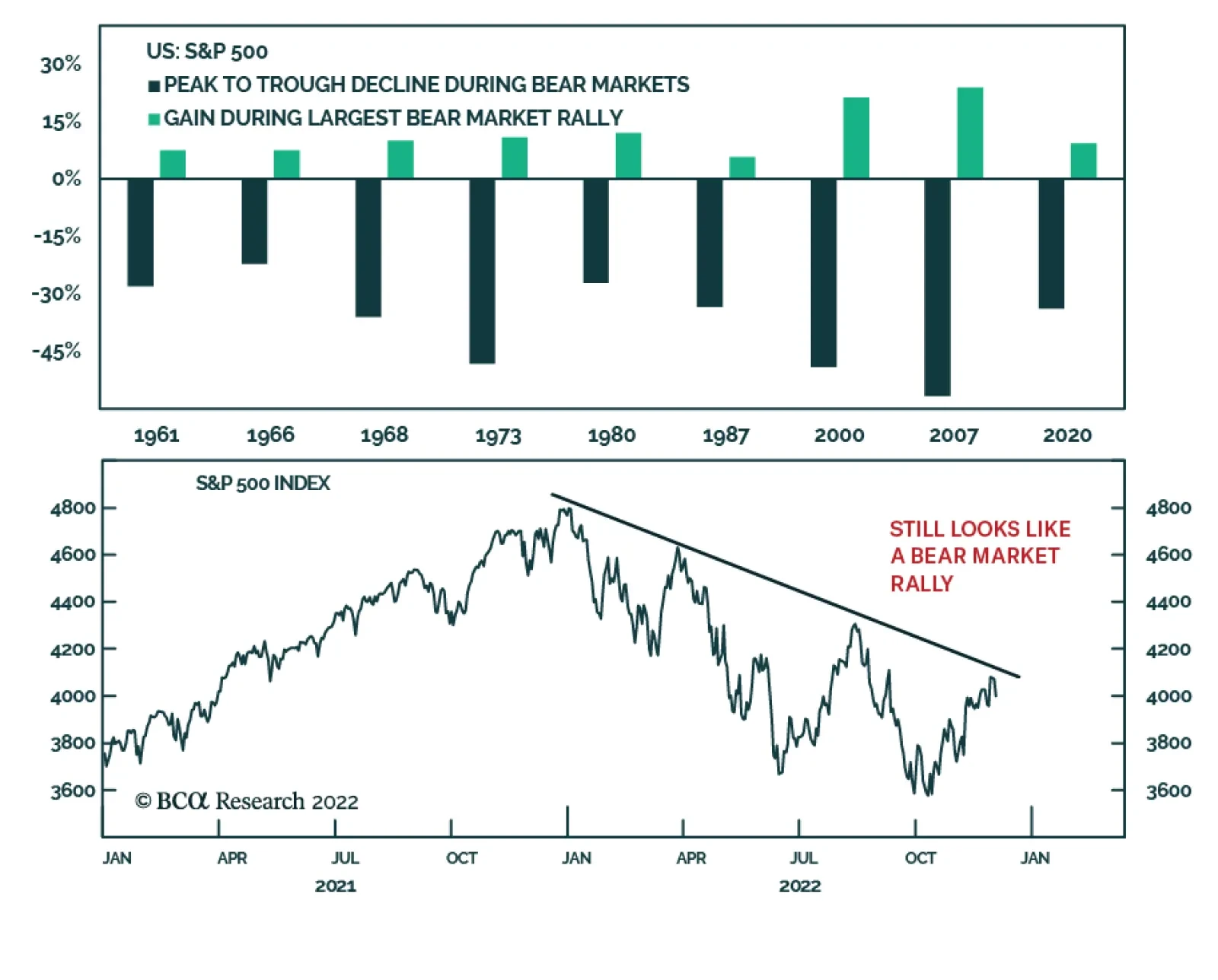
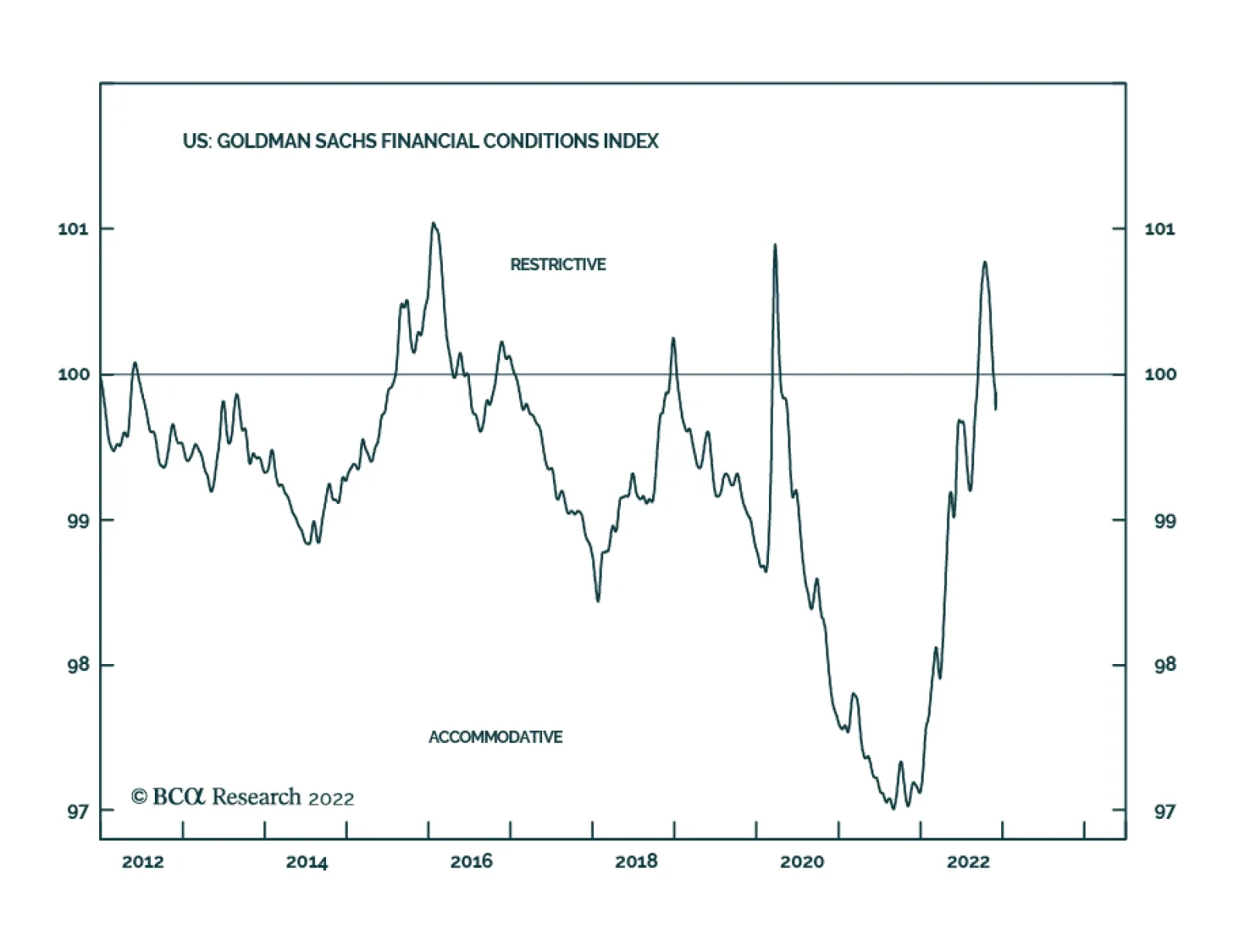
The S&P 500 has climbed 9.7% since mid-October, reducing the magnitude of the index’s decline since its January 3 peak to 18.2%. The question facing investors is whether the recent gains represent a bear market bounce that will ultimately give way to…
BCA Research’s US Bond Strategy service recommends that investors enter 2023 with close to benchmark portfolio duration and with an underweight allocation to spread product versus Treasuries. While 2022 was a year of rapid Fed tightening, 2023 will be one…

This week we present our Portfolio Allocation Summary for December 2022.

2023 will be another challenging year for the US equity market, characterized by the Fed’s battle with inflation, slowing economic growth, and earnings contraction. The S&P 500 is likely to reach new lows in the first half of the year falling as much as 20-25%, only to rebound sharply in the second half, once all the bad news is priced in.
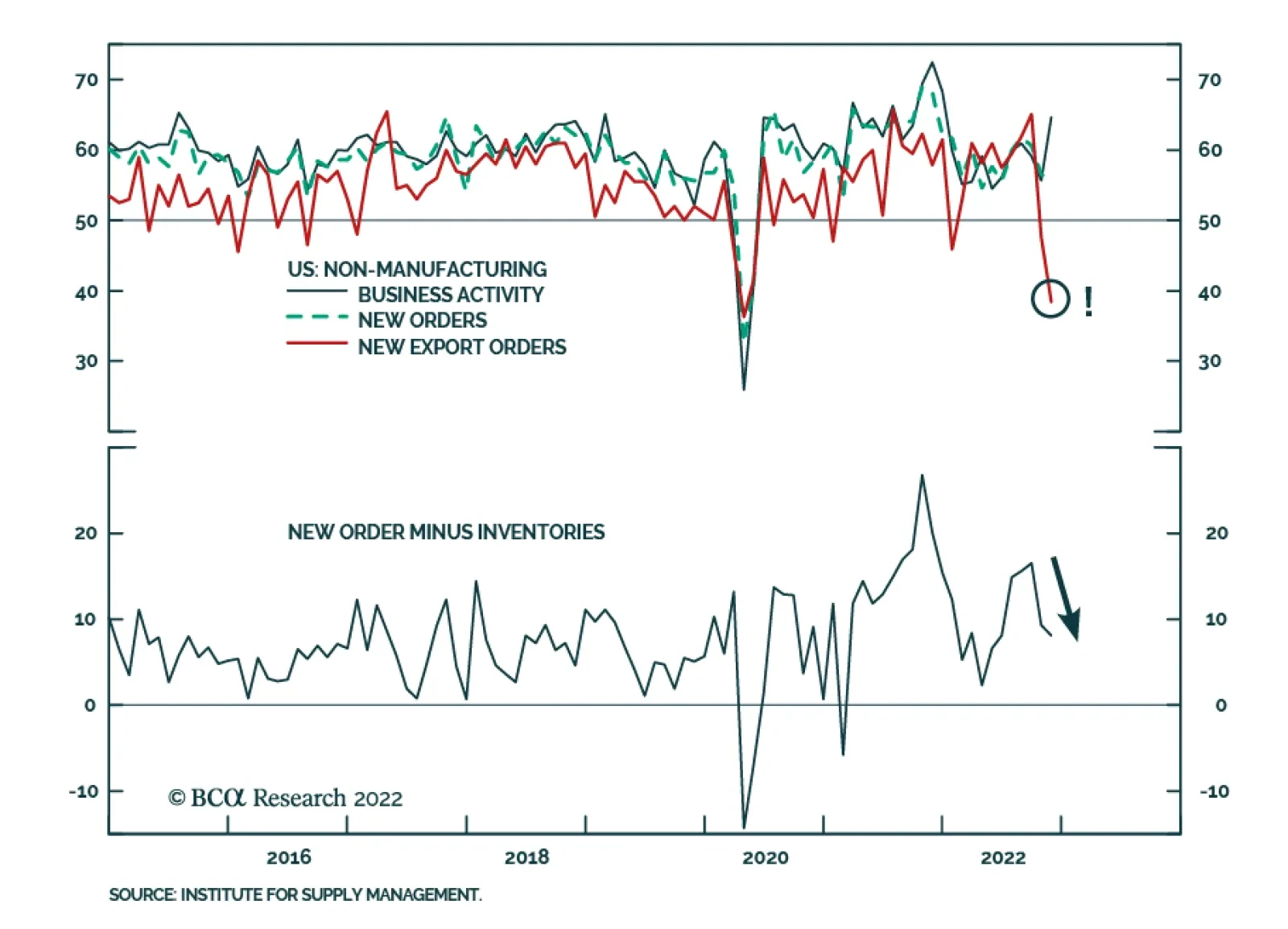
The ISM Services PMI surprised to the upside, unexpectedly expanding at a faster pace in November. The headline index rose by 2.1 ppts to 56.5, led by the business activity and import sub-indices which rose by 9.0 and 9.1 ppts to 64.7 and 59.5, respectively.…