United States
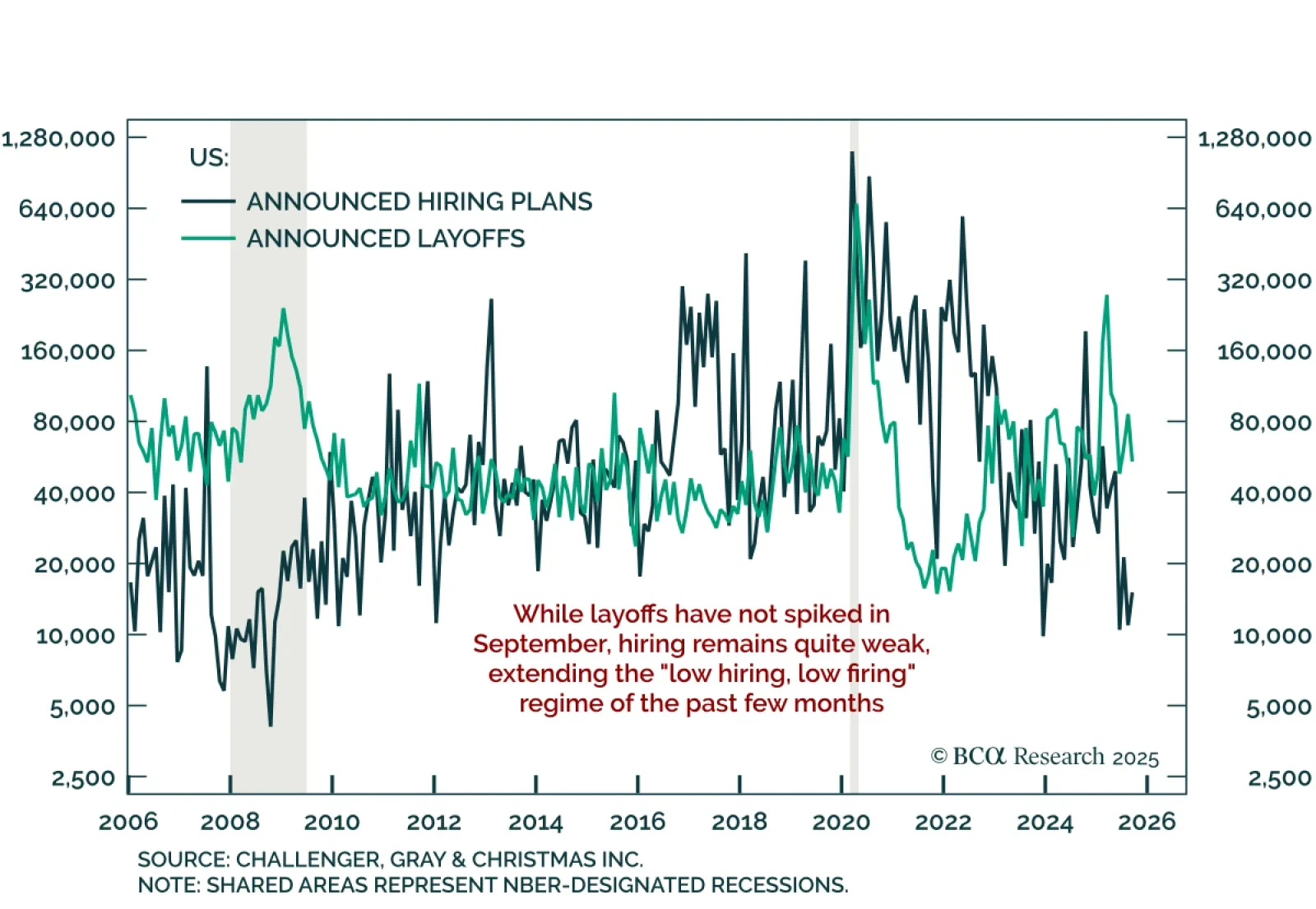
With the government shutdown delaying jobs data, alternative indicators point to a marginally weaker US labor market in September. The absence of the monthly employment report and weekly initial claims leaves us reliant on other sources. The September…
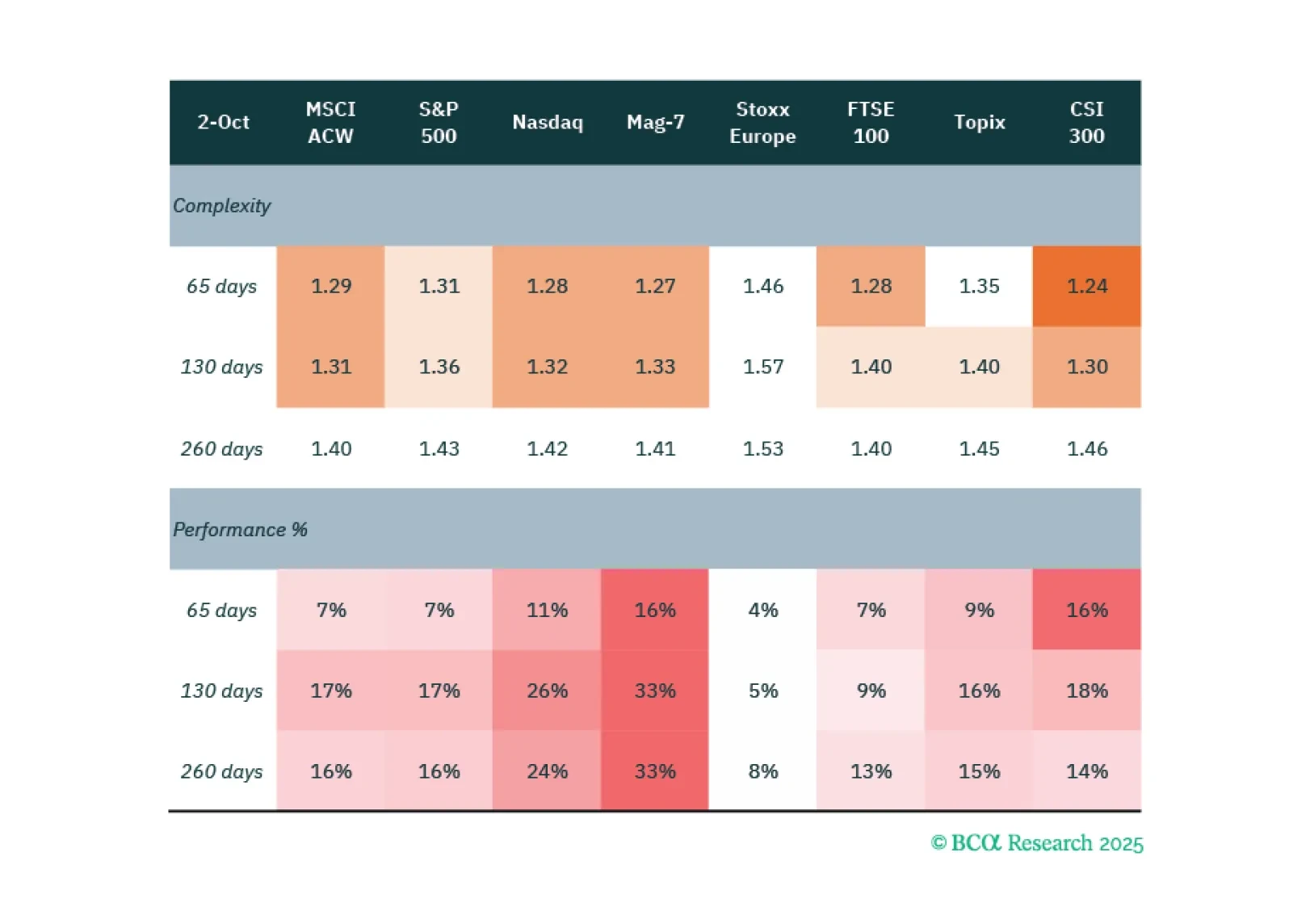
A short guide on how best to use and interpret our real-time fractal heatmap for asset allocation.
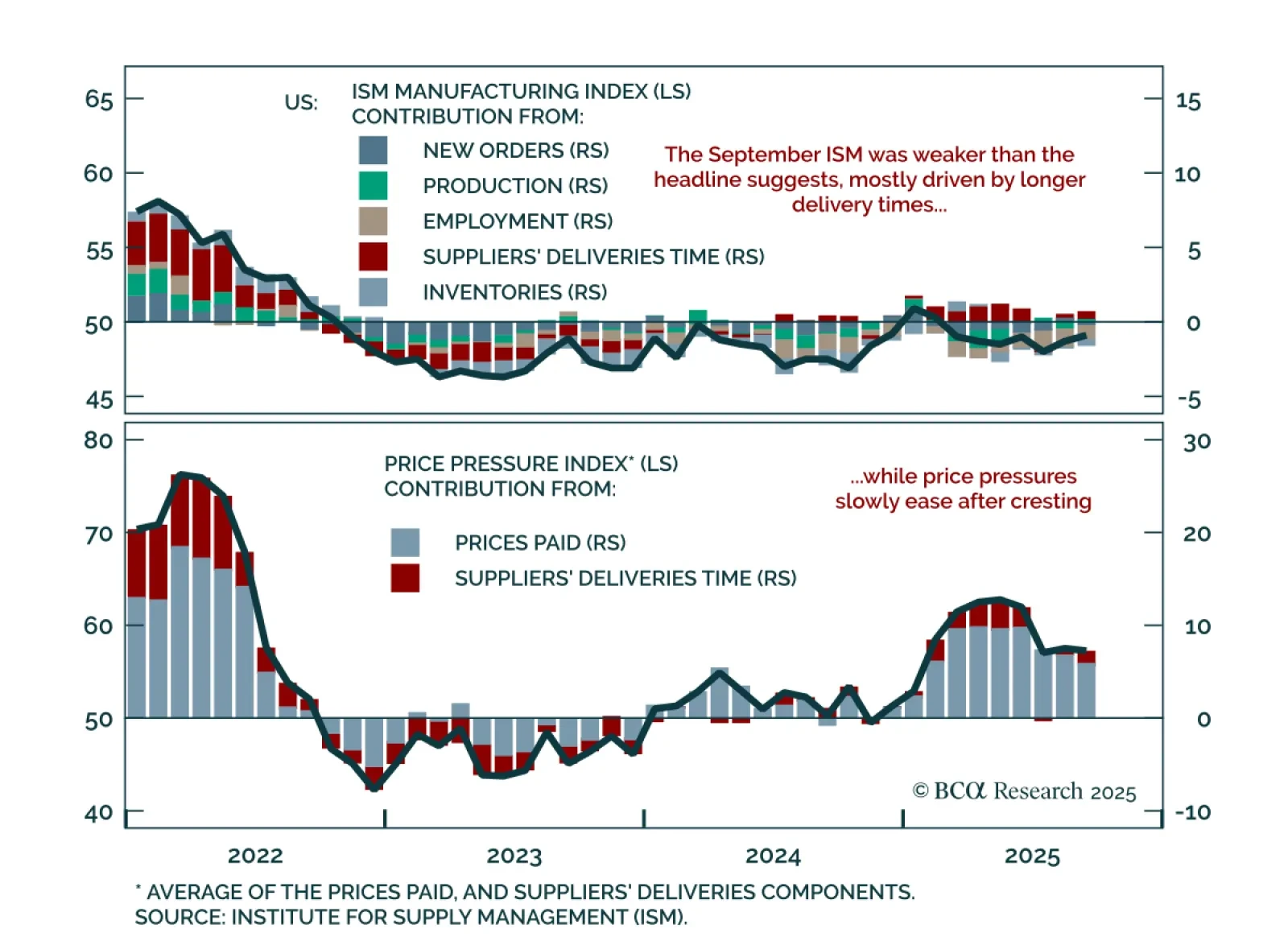
The September ISM Manufacturing index beat expectations at 49.1, but details confirm weak momentum and tariff-driven pressures. The headline improved from 48.7 in August, its second consecutive monthly gain, but the uptick came mainly from longer supplier…
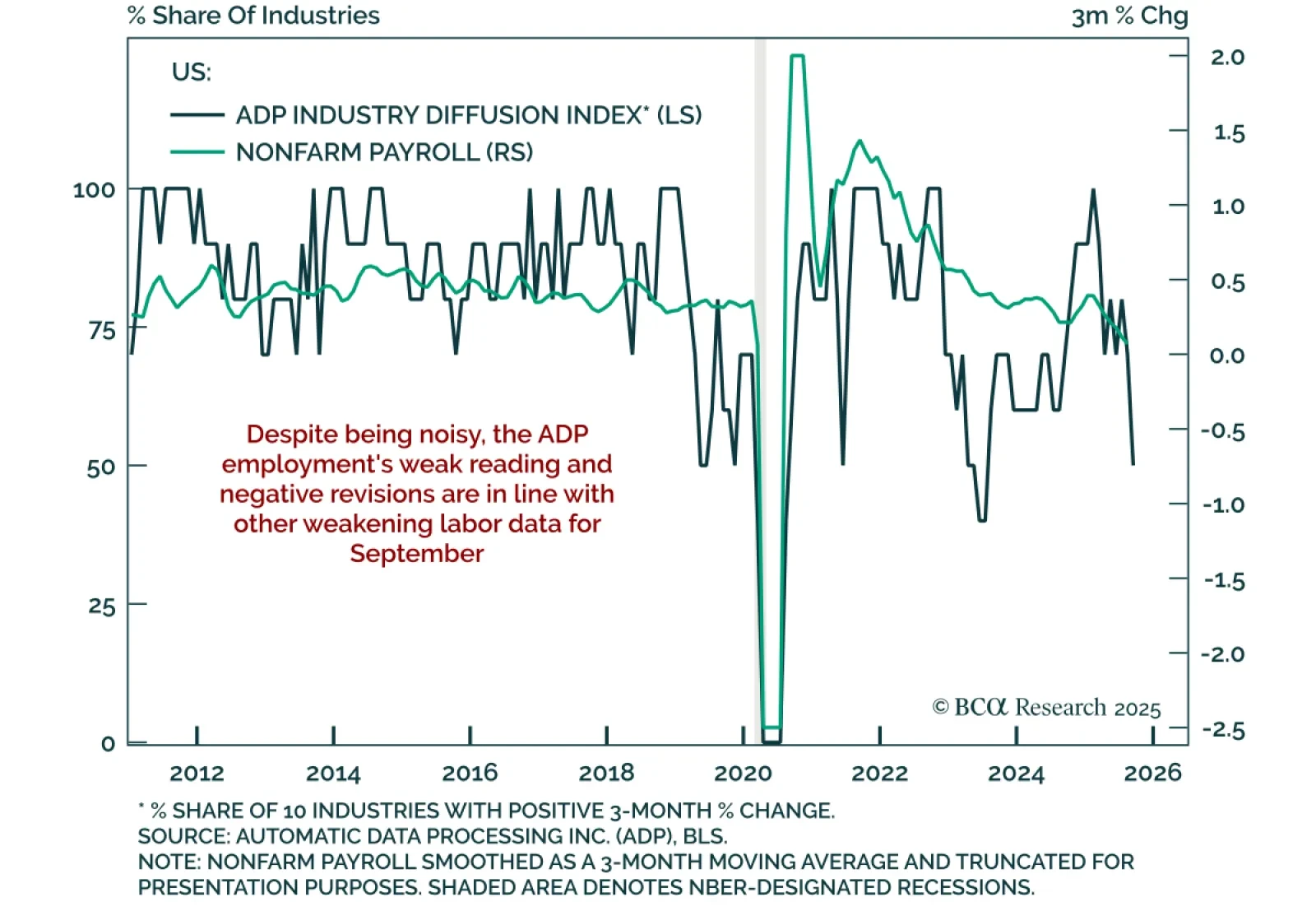
The September ADP report contracted by 32k jobs, missing expectations and extending the trend of weakening employment. August was revised lower to a 3k contraction, marking two consecutive months of decline after also contracting in June. The report was noisy…
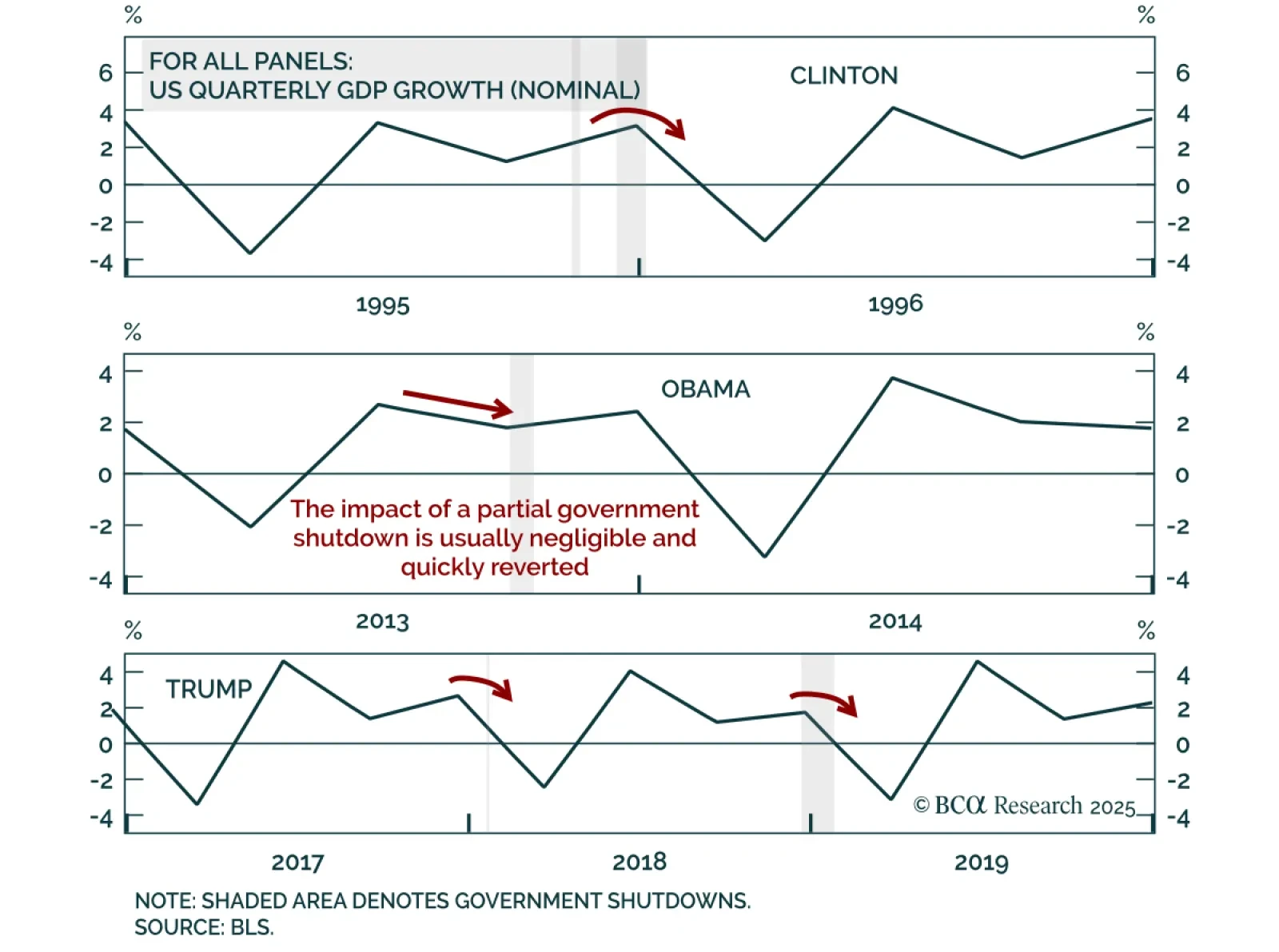
The October 1 partial US government shutdown risks denting near-term GDP and sentiment but should present a buying opportunity if it triggers equity weakness. The US federal government partly shutdown on October 1 after the Republican-held Senate failed to…
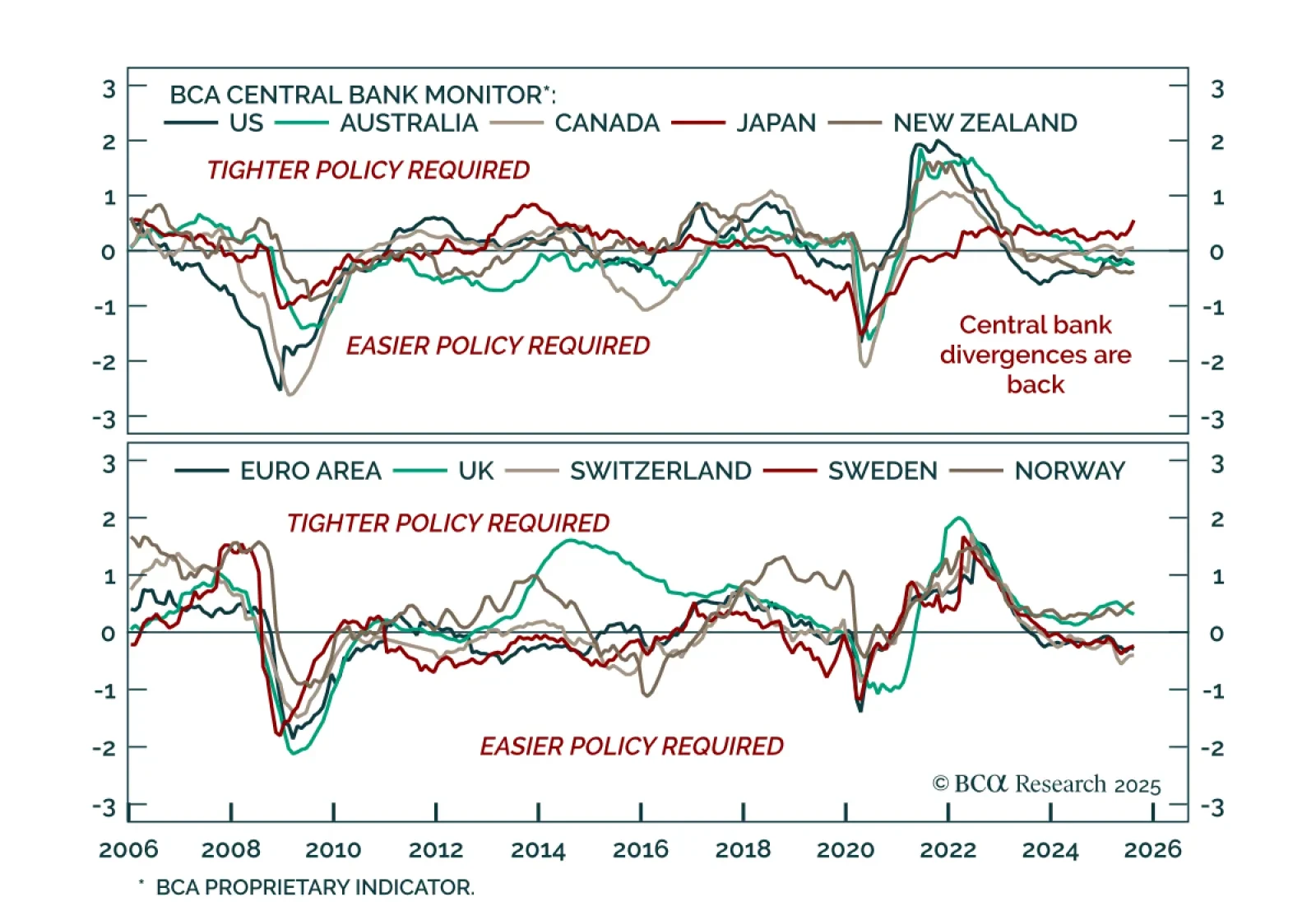
Our DM strategists recommend regional bond overweights in the UK, Canada, and Sweden, and express policy divergence through tactical FX trades: long USD, underweight GBP and SEK, and long JPY vs. EUR. Most G10 central banks are nearing neutral, but their next…
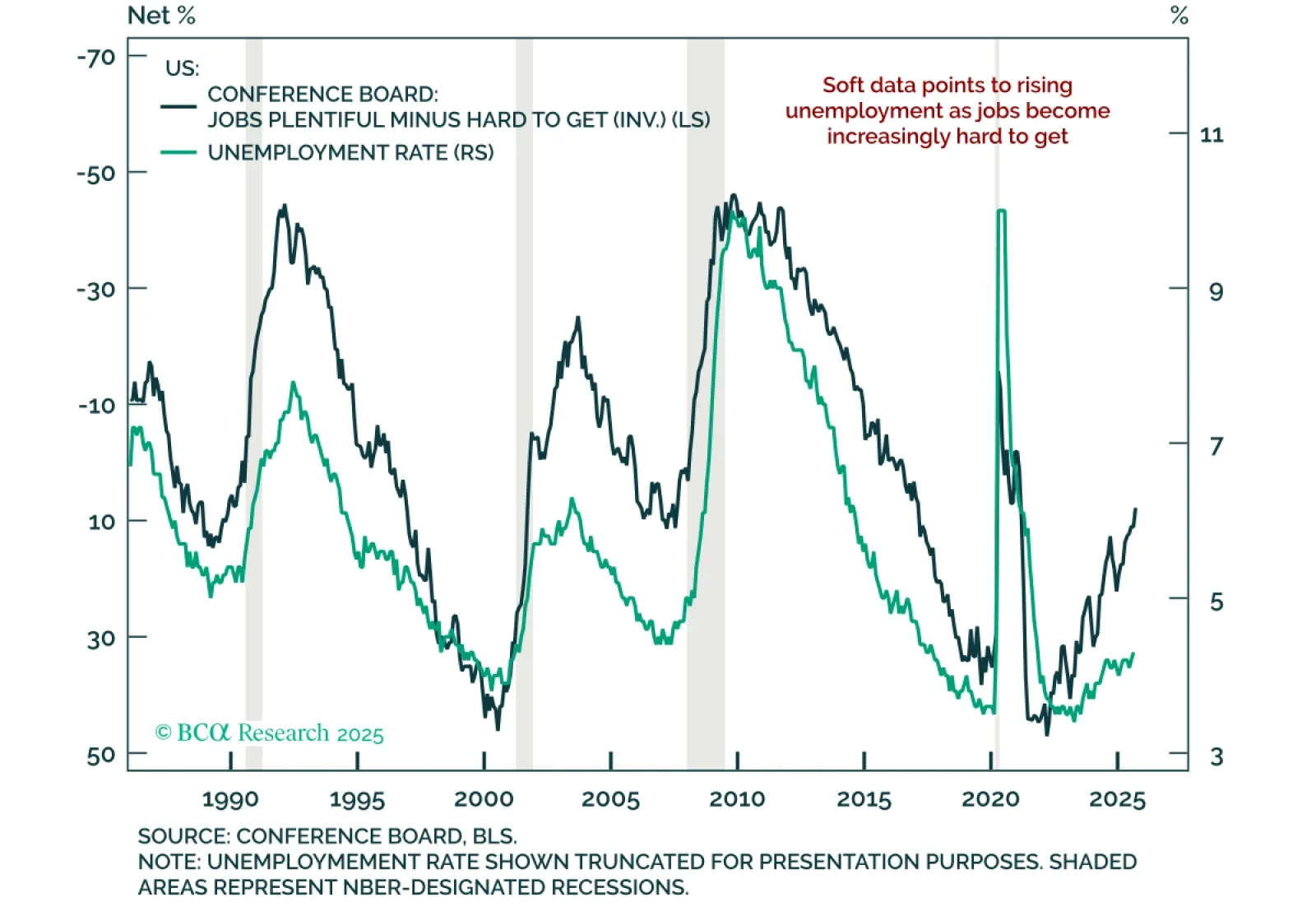
Consumer confidence fell further, reinforcing weakening labor signals and supporting a long duration stance. The September Conference Board Consumer Confidence Index dropped to 94.2 from 97.8, missing estimates. Both present situation and expectations…
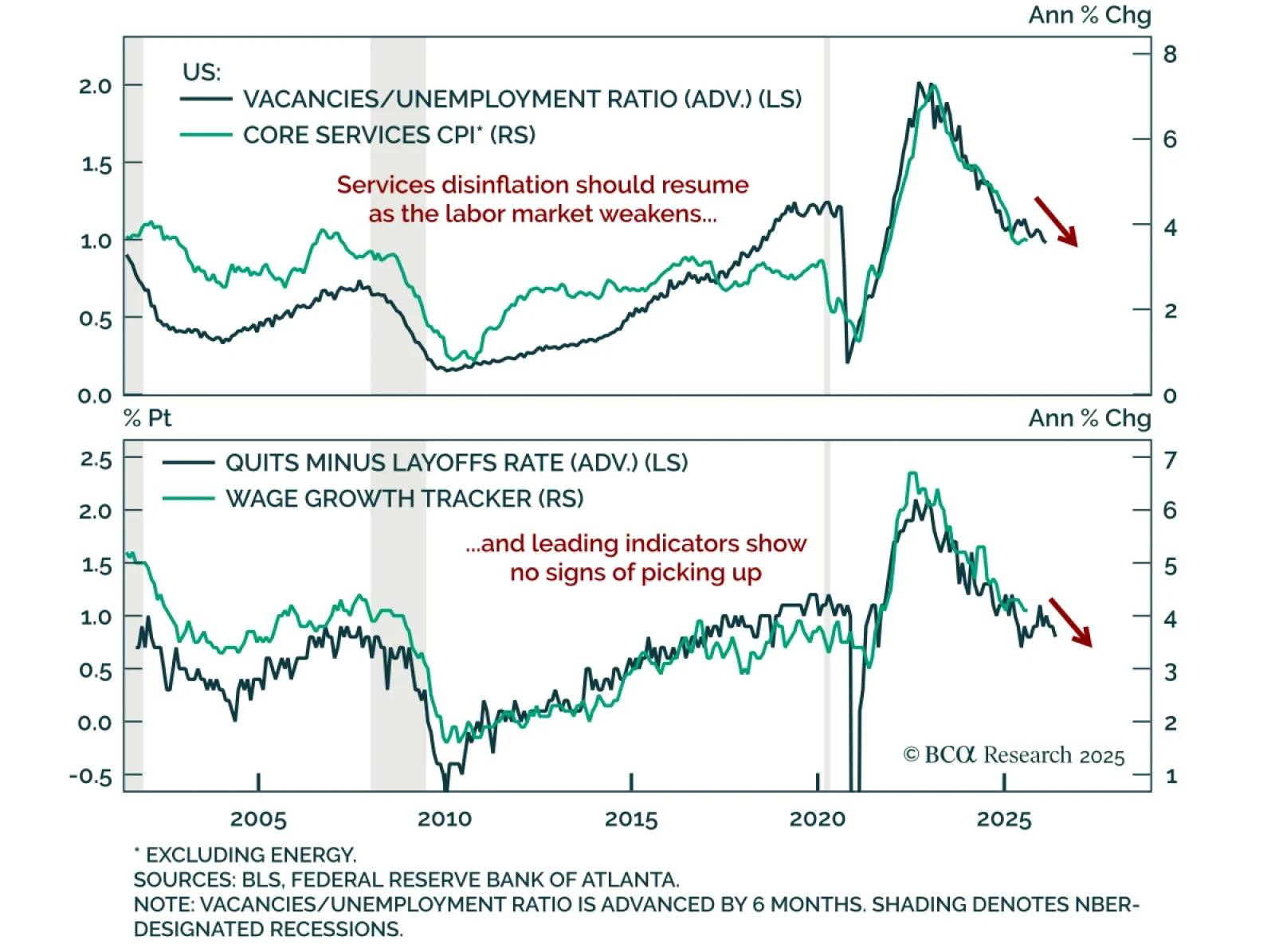
August JOLTS data confirm a loosening labor market, reinforcing a modestly defensive allocation stance. Job openings ticked up to 7.23m from 7.21m, yet gains came from non-cyclical sectors. Quits fell to 3.09m from 3.17m, pushing the quits rate down to 1.9%…
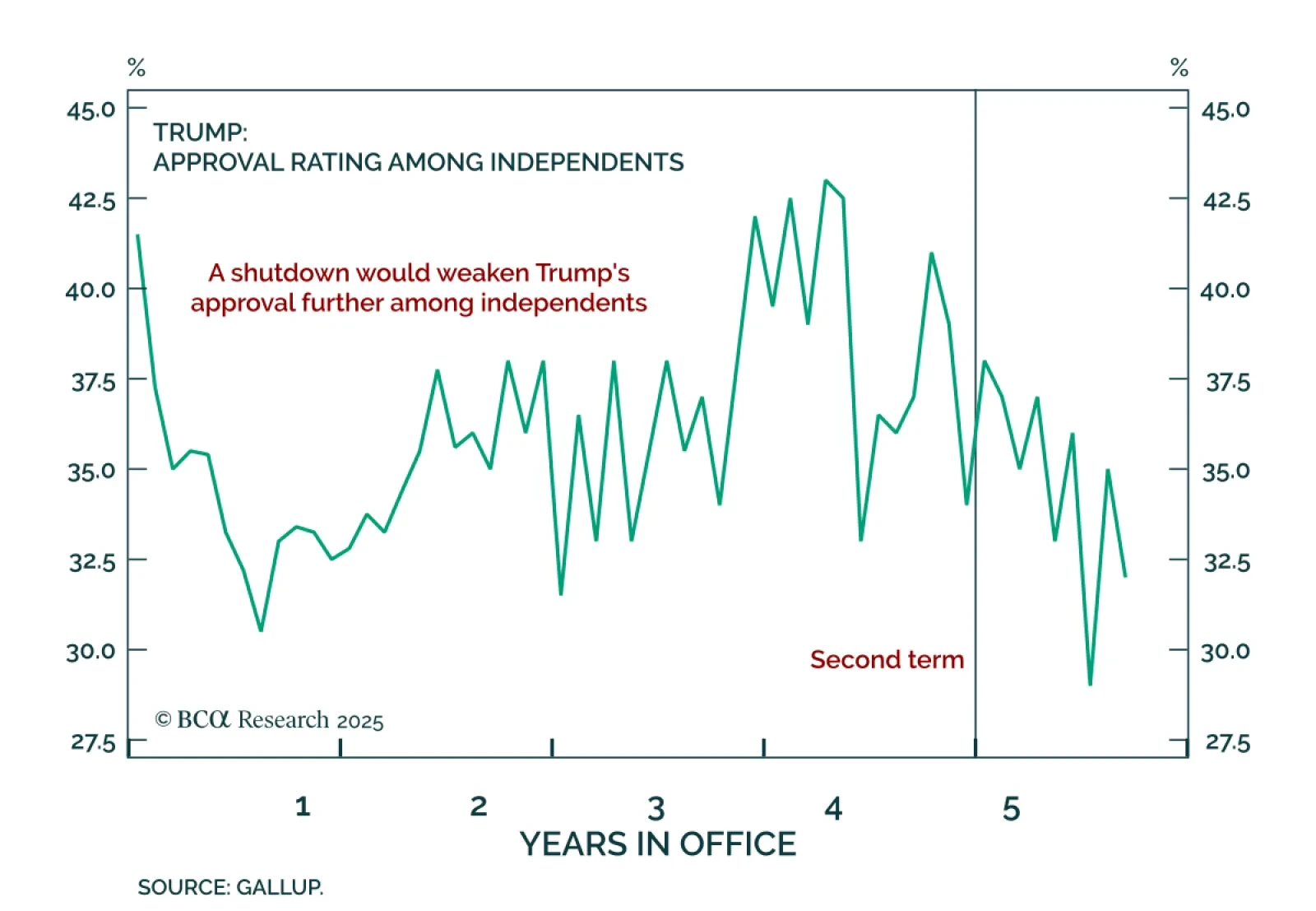
President Trump said a partial federal government shutdown is "probably likely" late in the afternoon on September 30. Senators have until midnight to pass a continuing resolution already passed by the House that would keep the government operating until…
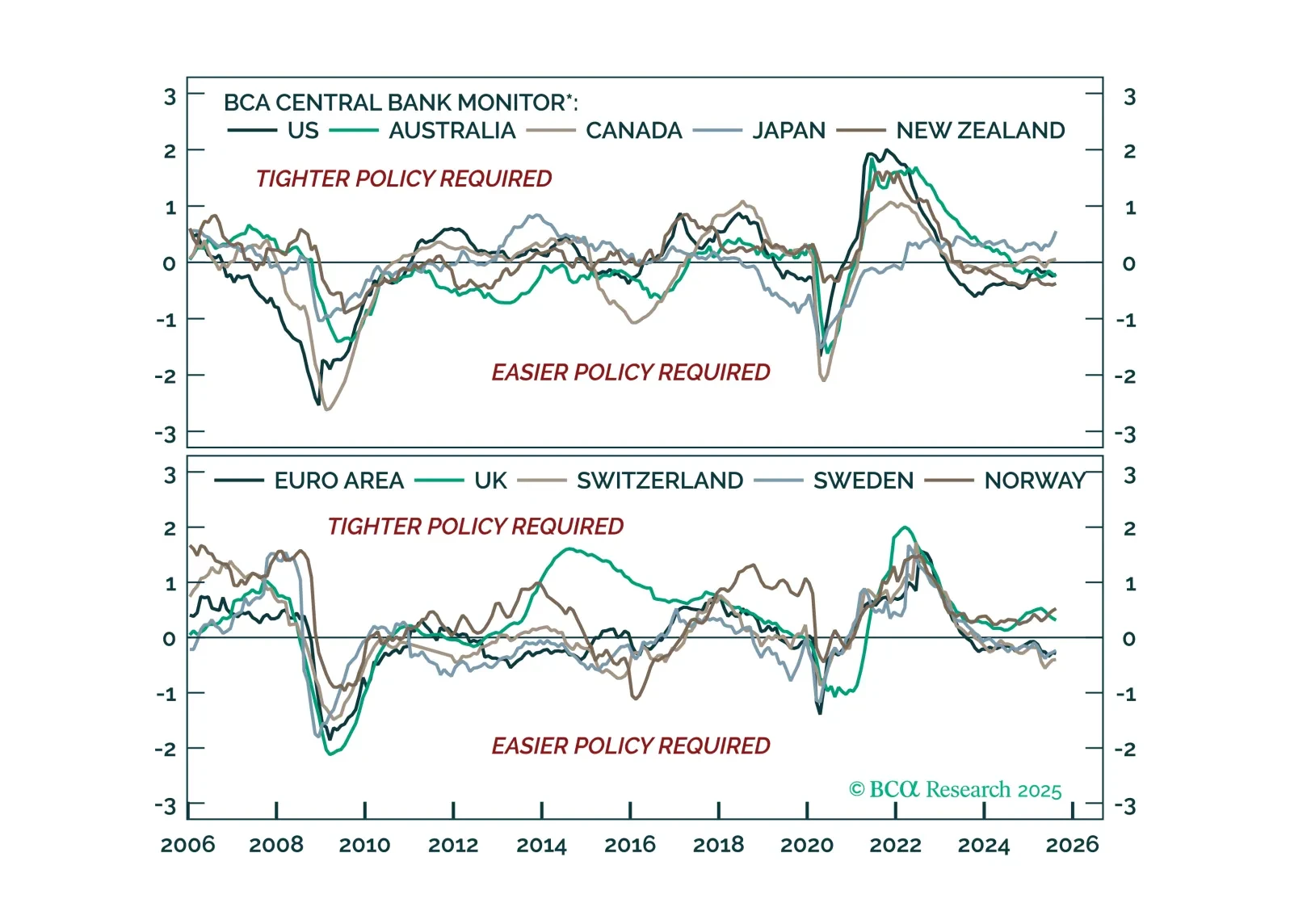
Monetary policy divergences are re-emerging. We rely on BCA’s Central Bank Monitor to assess the current policy stance of major central banks, and highlight the tactical opportunities across bond markets and currencies.