Japanese Yen

Over the next few months, Japan’s new government will ease fiscal policy, which will improve domestic demand on the margin. Monetary policy may tighten further in the short run but not too much over the long run. The geopolitical setting drives Japan into accommodative economic policy.
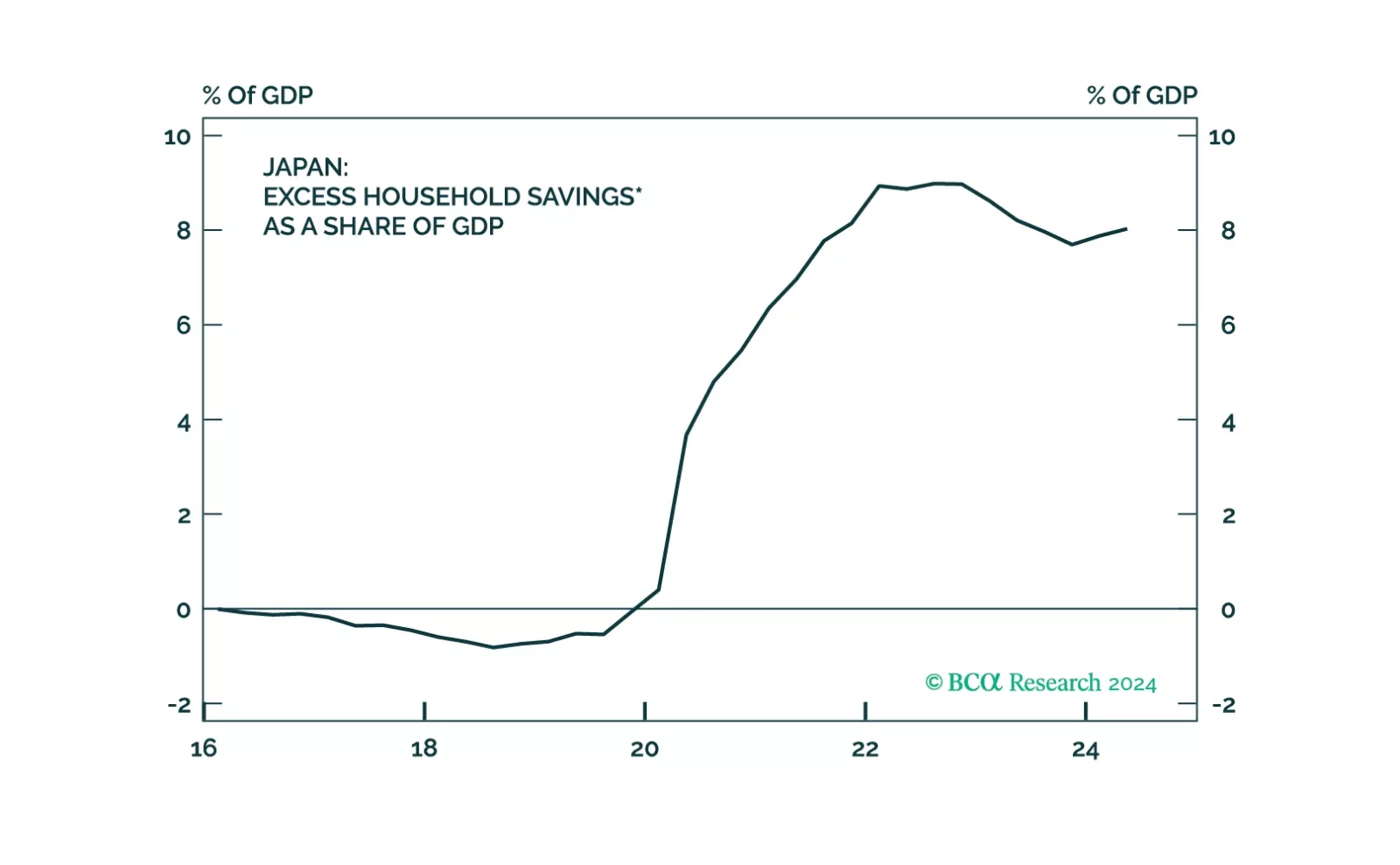
The latest Bank of Japan meeting did not alter our high-conviction views of being long the yen and underweight JGBs.
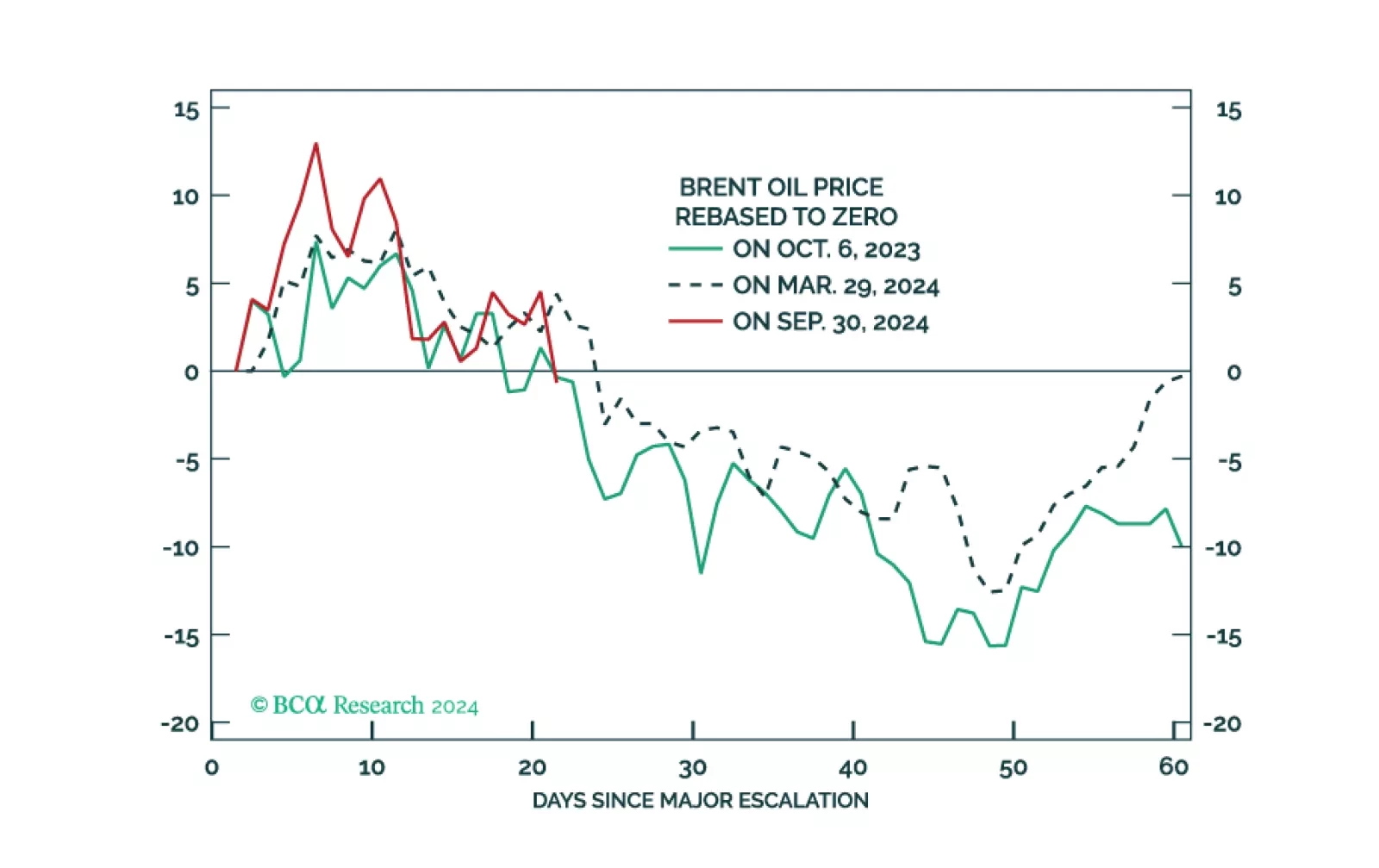
The global political system is destabilizing and the US will turn more hawkish in foreign policy, trade policy, or both, regardless of the election outcome. Tactically go long the dollar.

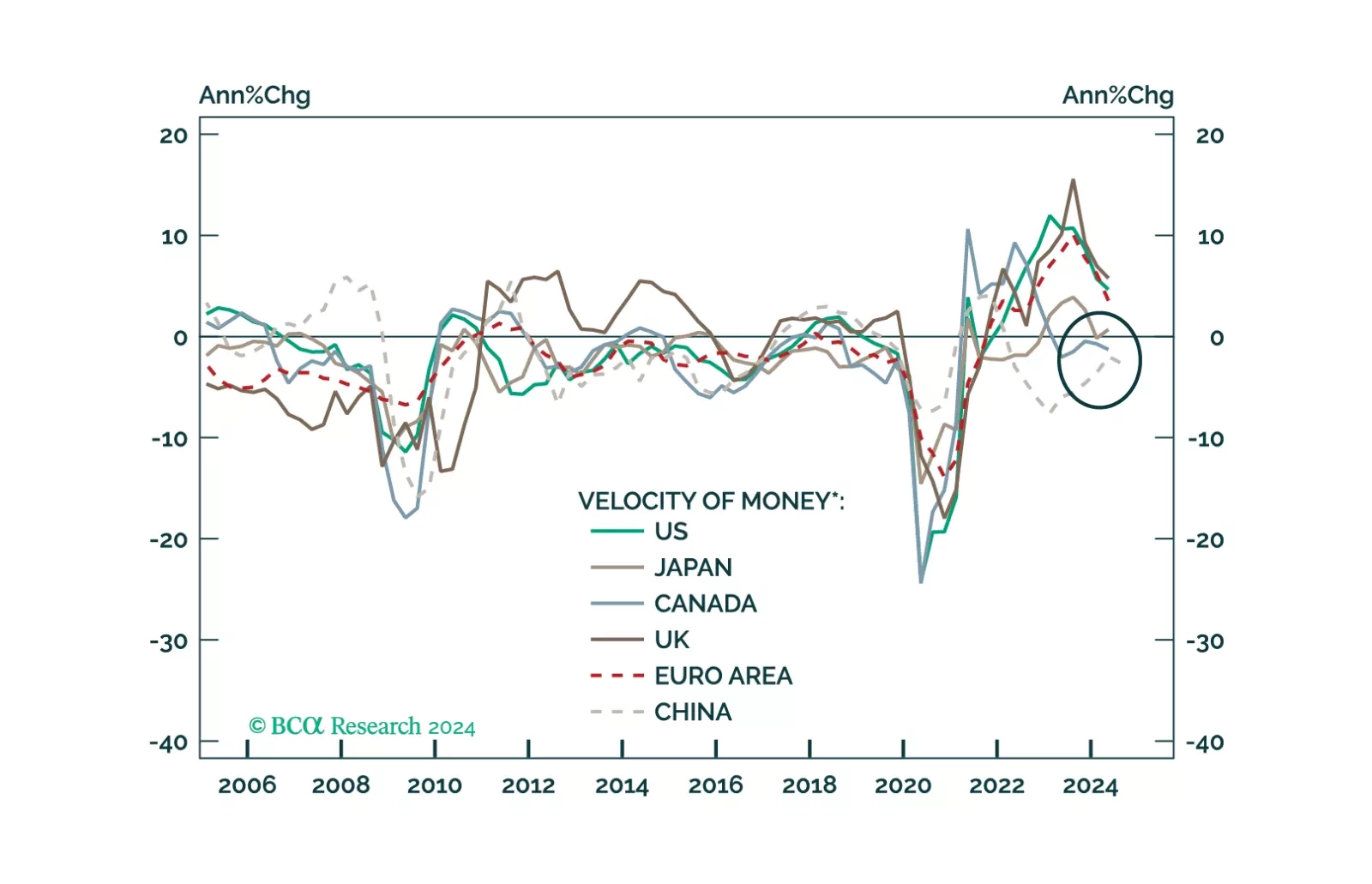
This Insight looks at the likely direction of bond yields and the dollar, from the lens of money velocity.
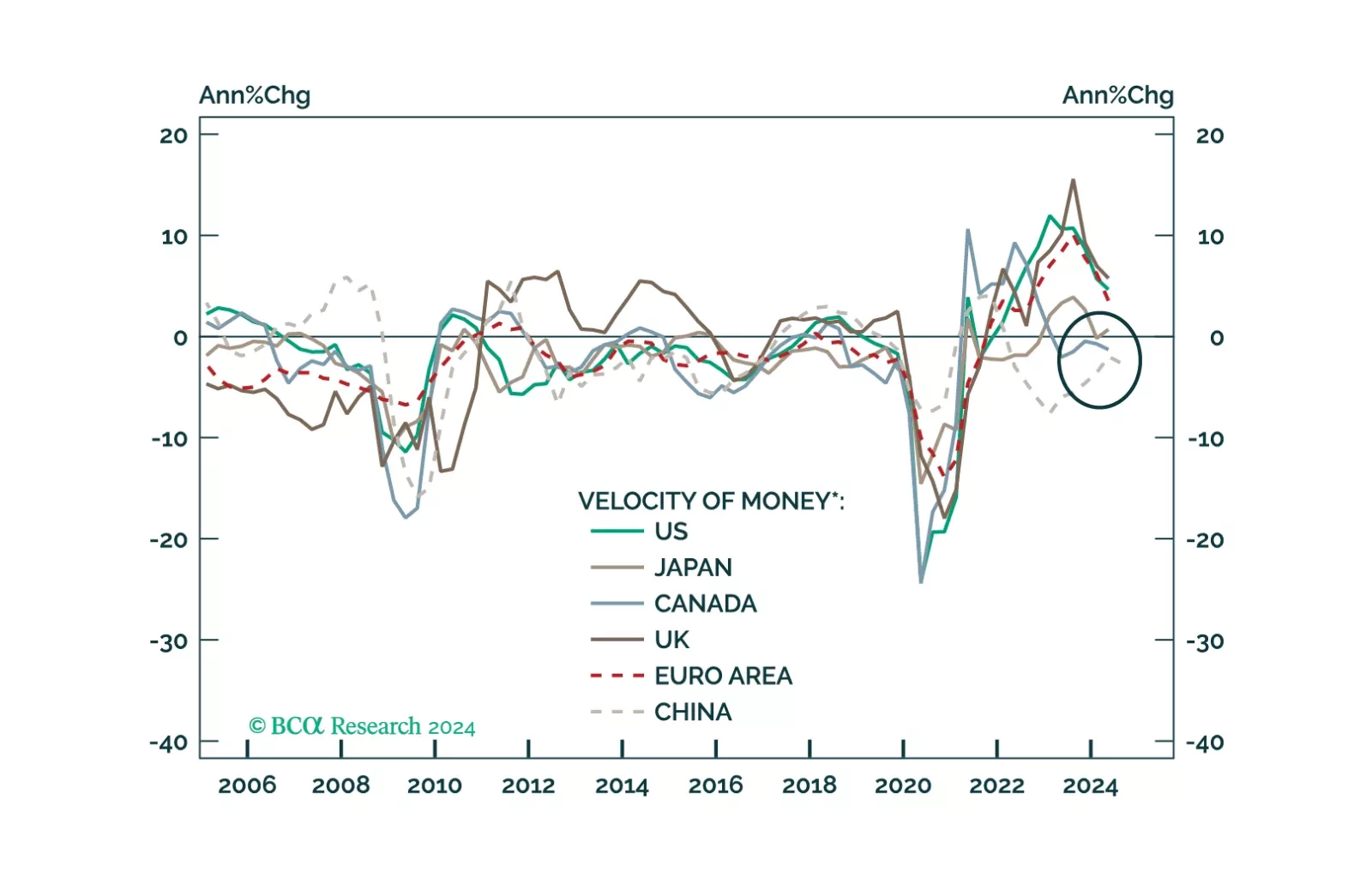
This Insight looks at the likely direction of bond yields and the dollar, from the lens of money velocity.
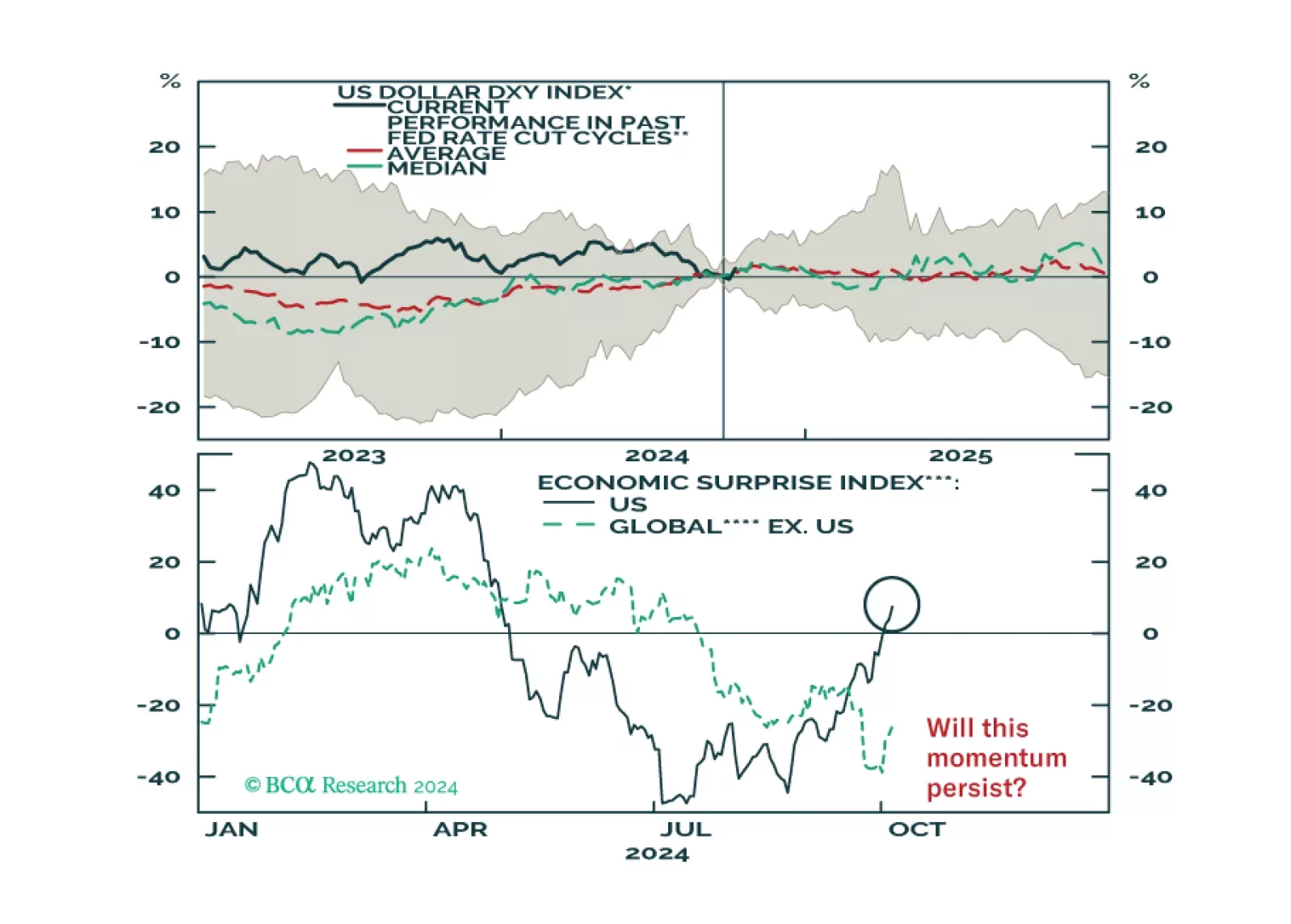
This report looks at the likely path for the dollar and bond yields over the next 6-to-12 months.
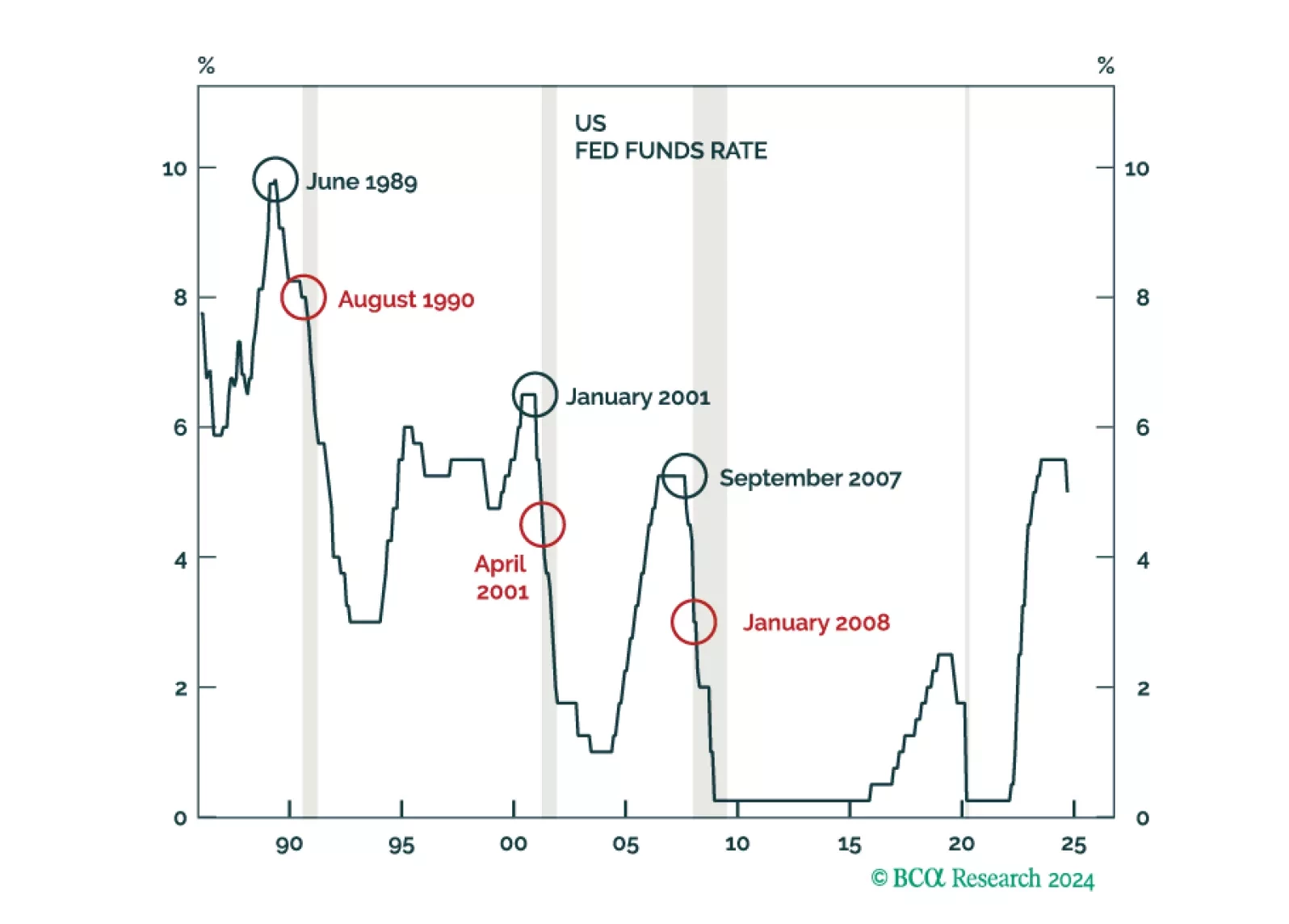
After resisting the consensus narrative in 2022 that a US recession was imminent, and then predicting an immaculate disinflation for 2023, the Global Investment Strategy team has joined the dark side and is now expecting a recession to start in the US within the next six months. Accordingly, we recommend that investors underweight stocks and overweight government bonds.