Sorry, you need to enable JavaScript to visit this website.
Skip to main content

Developed Countries

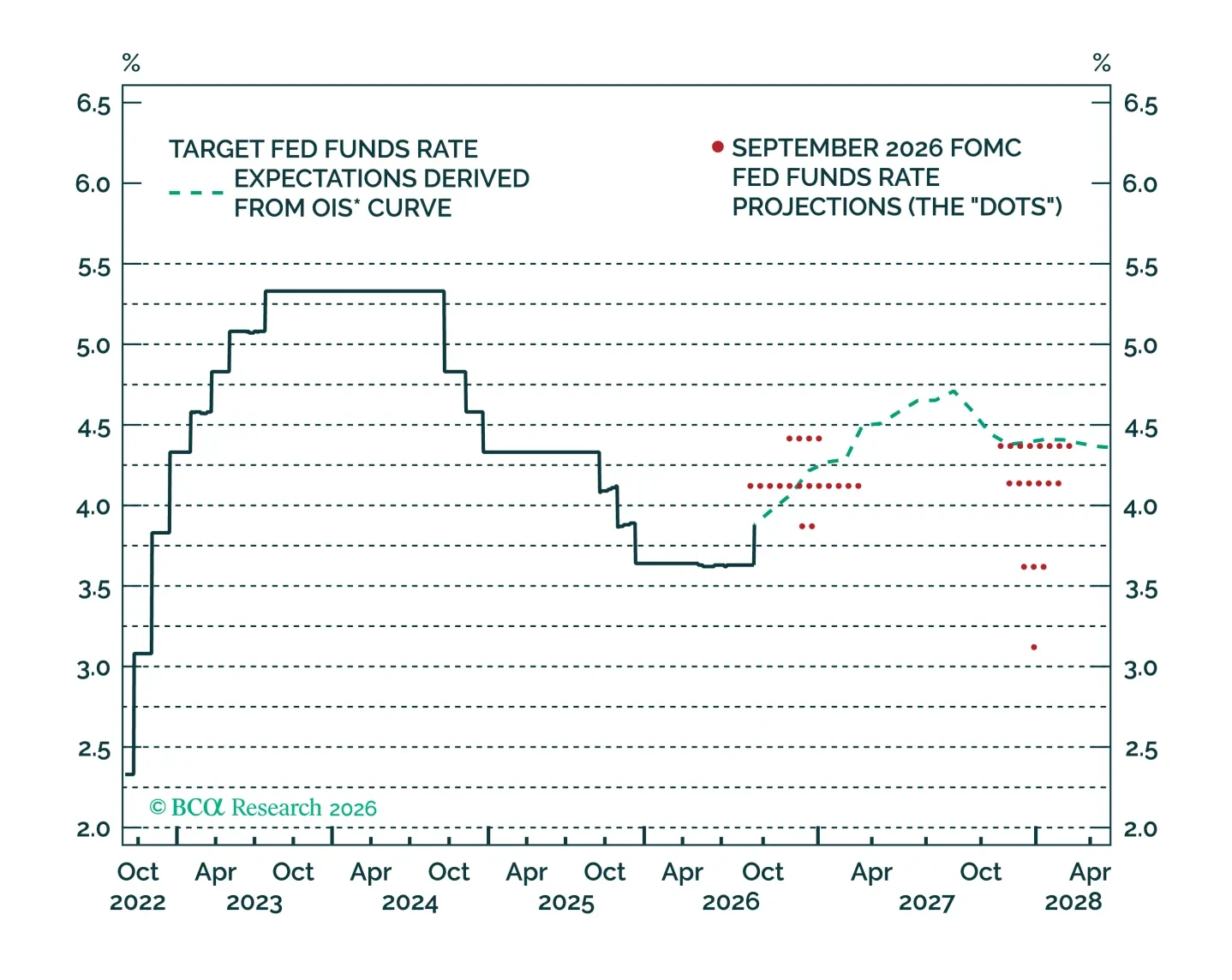
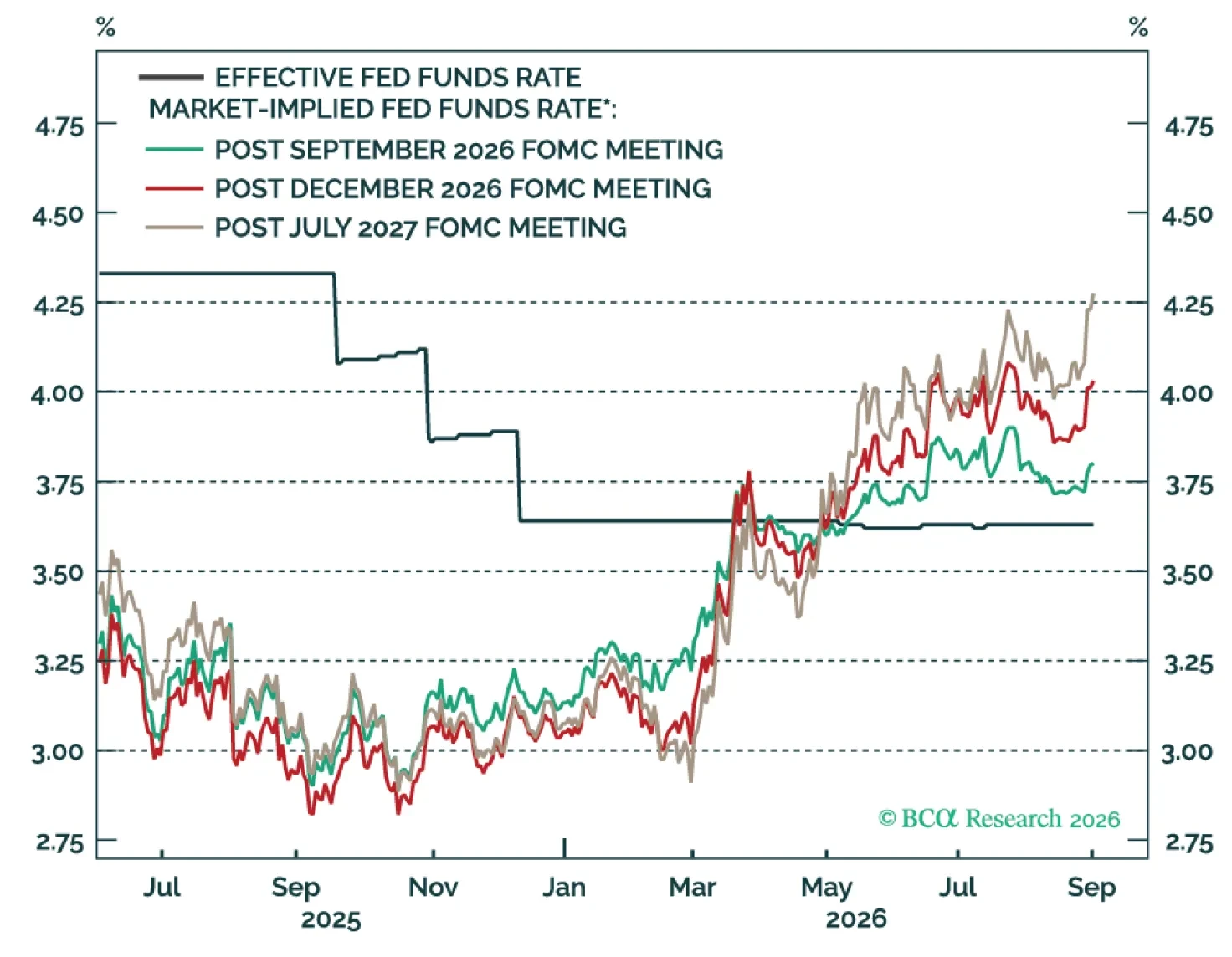
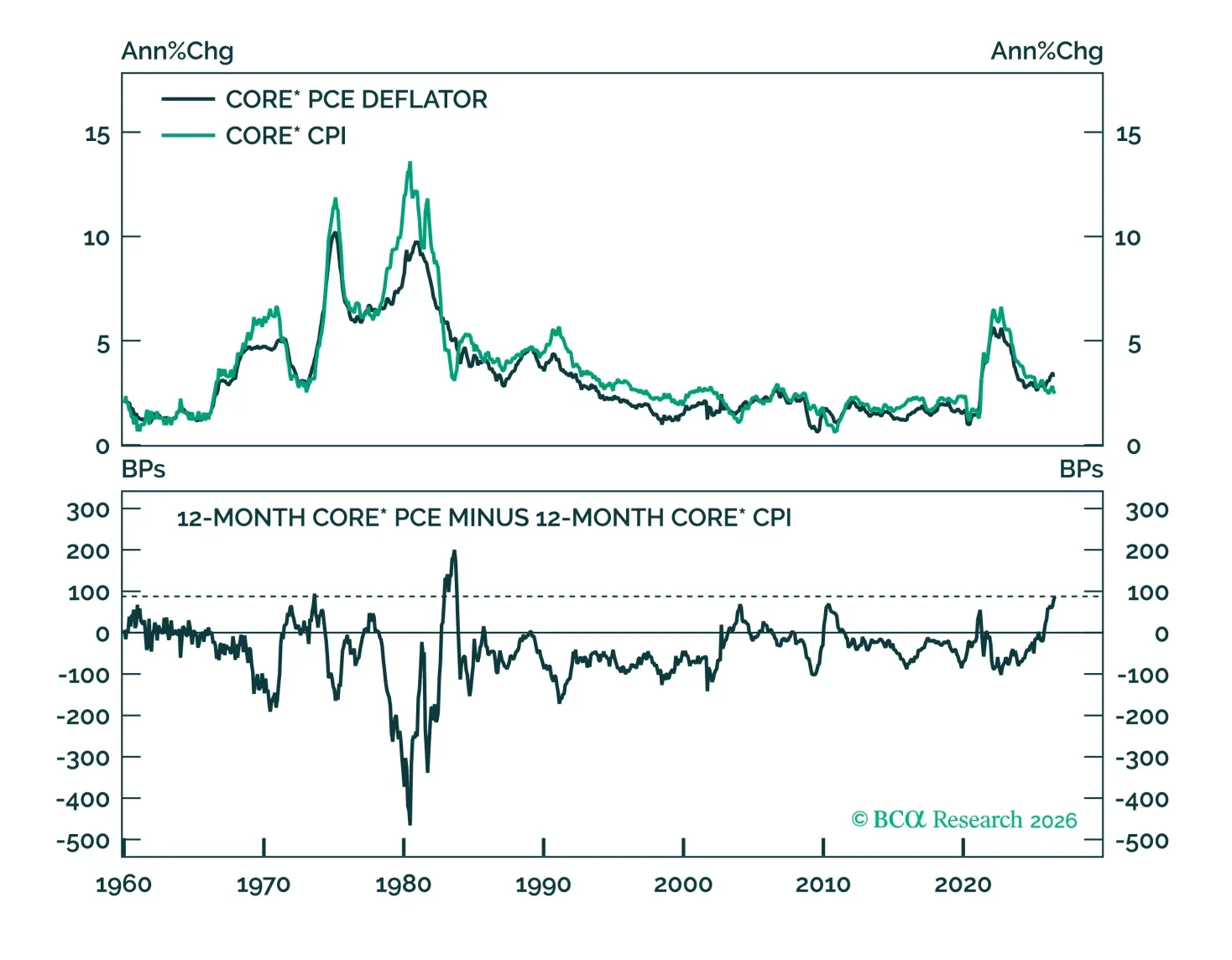
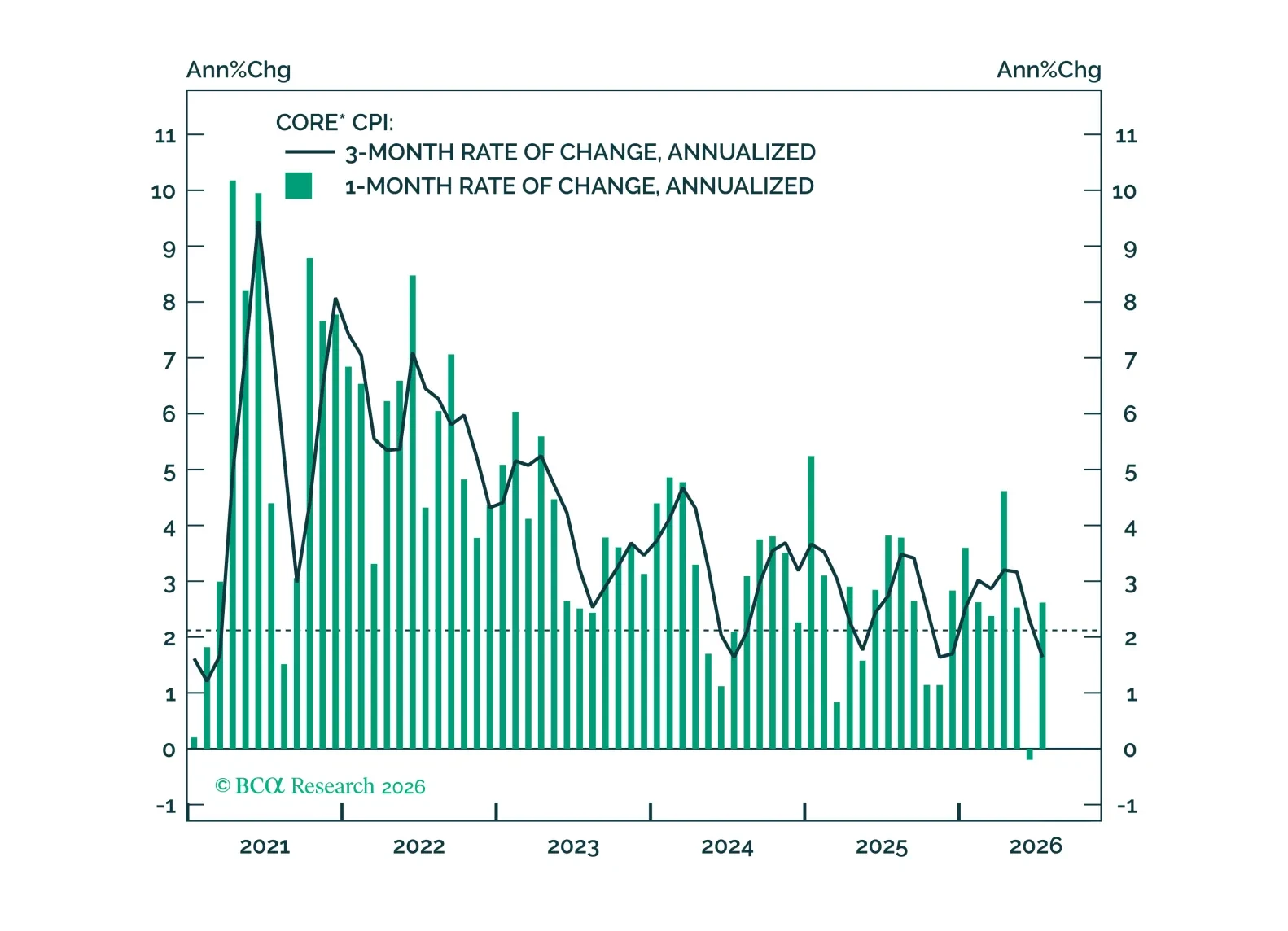
July’s CPI reading was low enough to keep the Fed on hold for now, but near-term upside inflation risks remain.
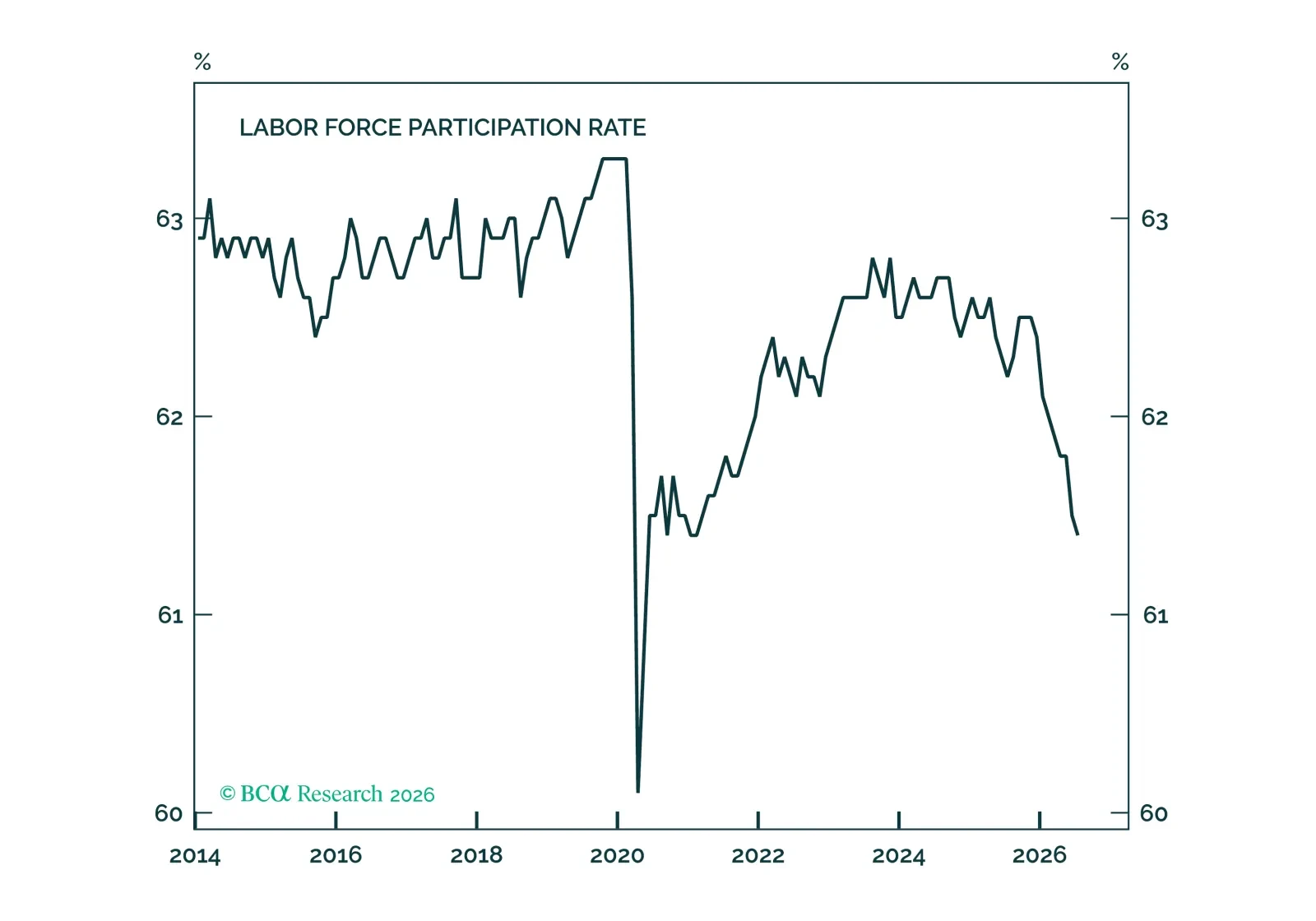
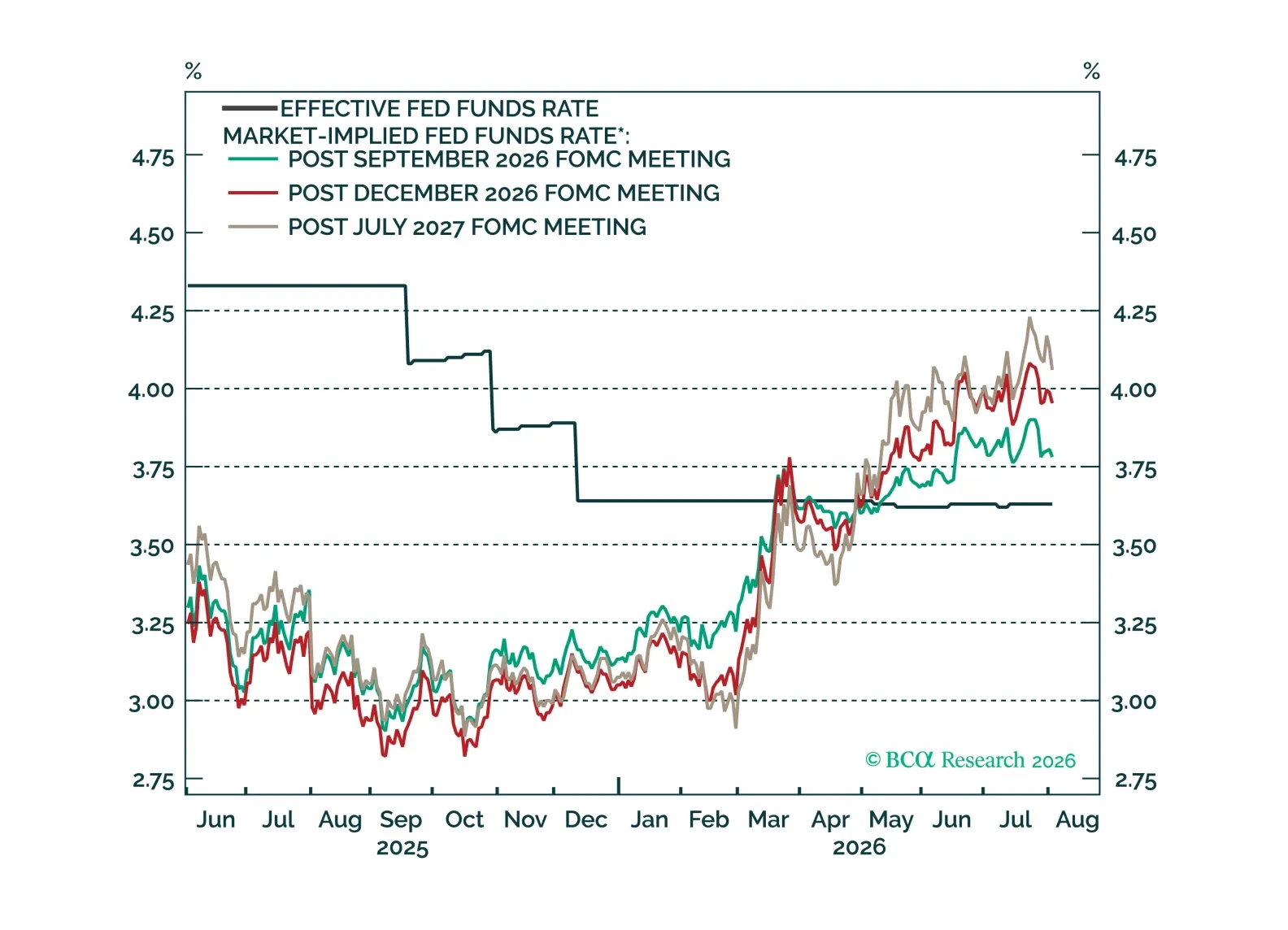
The evidence is increasingly clear that swings in labor supply, mostly related to immigration enforcement policy, have been the primary driver of nonfarm payroll growth during the past two years.This remained true in the July report which showed declines in both nonfarm employment (-23k) and the unemployment rate (from 4.19% to 4.09%). The driver of both moves was a 264k drop in the size of the labor force.When labor supply is this volatile, we should downplay measures of job growth and pay more attention to measures of labor market utilization.Measures of labor market utilization look broadly stable. The unemployment rate is trending down, but the prime-age (25-54) employment-to-population ratio has weakened, and the numbers of marginally attached and involuntary part-time workers are rising.We don’t think this morning’s jobs report reduces the odds of a September rate hike which, in our view, remain high. Next week’s July core CPI report will be a more important driver of near-term Fed policy.Please click here to access our US Labor Market Chartpack for more details on US employment trends. 

Our Portfolio Allocation Summary for August 2026.

Special Report

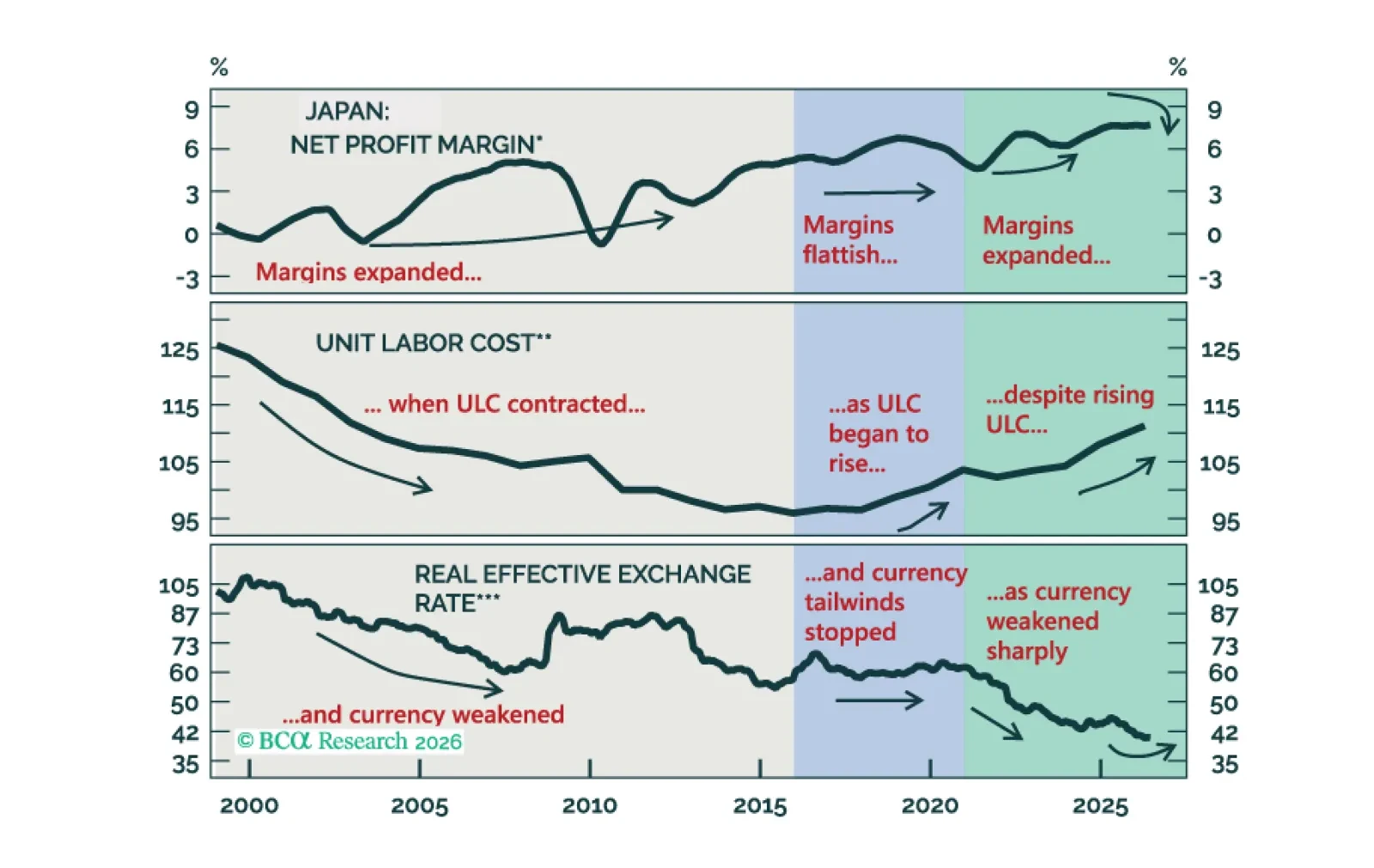
Over the past 10 years, Japan’s profit margin expansion has been driven neither by advances in labor productivity nor by operational efficiency gains, but by massive currency devaluation and lower depreciation charges. Going forward, higher wages and unit labor costs, as well as currency appreciation, will become major headwinds to margins. 

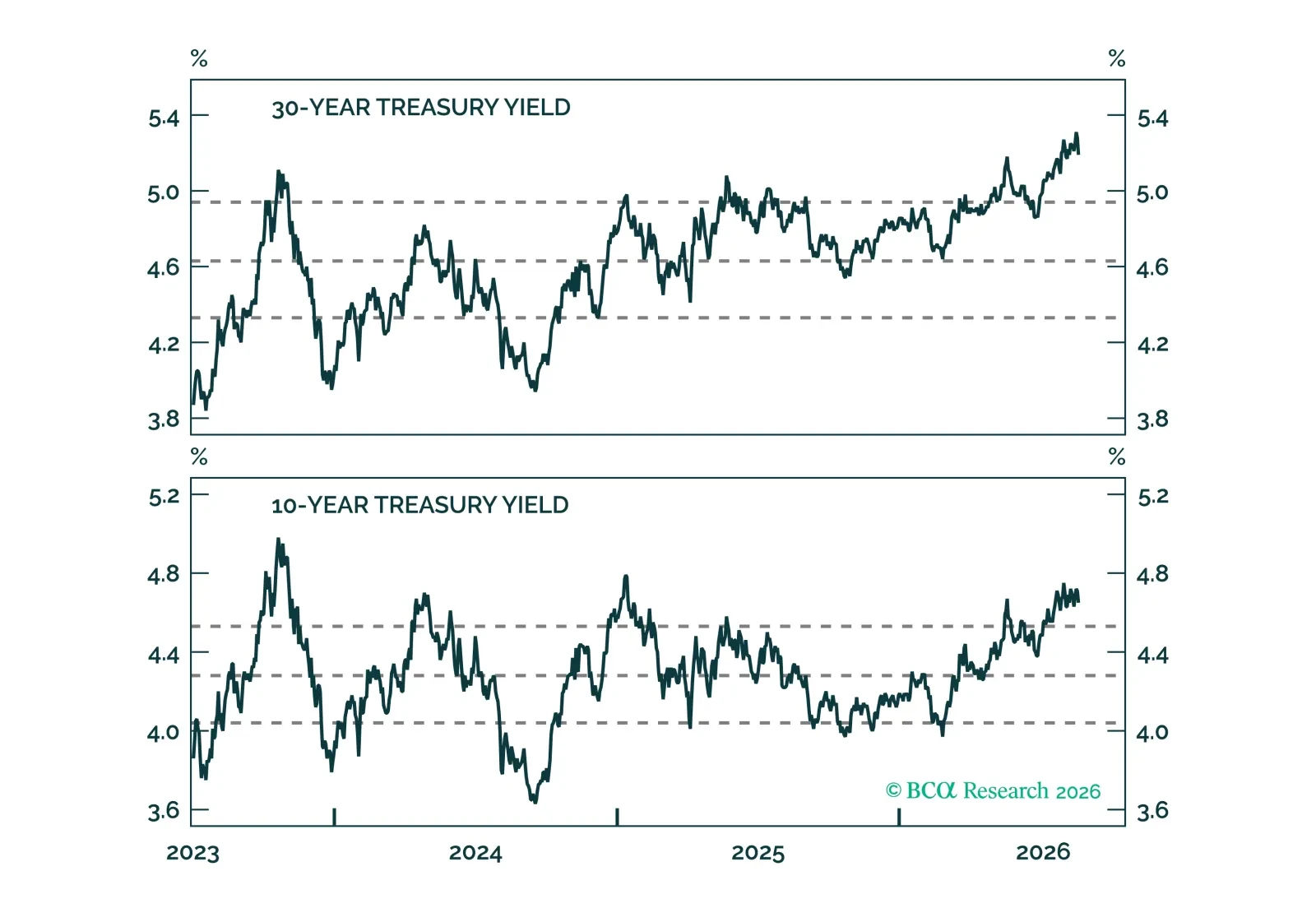
Despite today’s hold, the bar for a rate hike in September remains low and contingent on the next two core CPI reports.

The BoJ’s reflationary plan and a low yield beta supports an underweight on JGBs. BCA has historically used cross-country yield betas to guide bond allocation by mapping each market’s sensitivity to global yields. Japan still stands out as the only major DM…
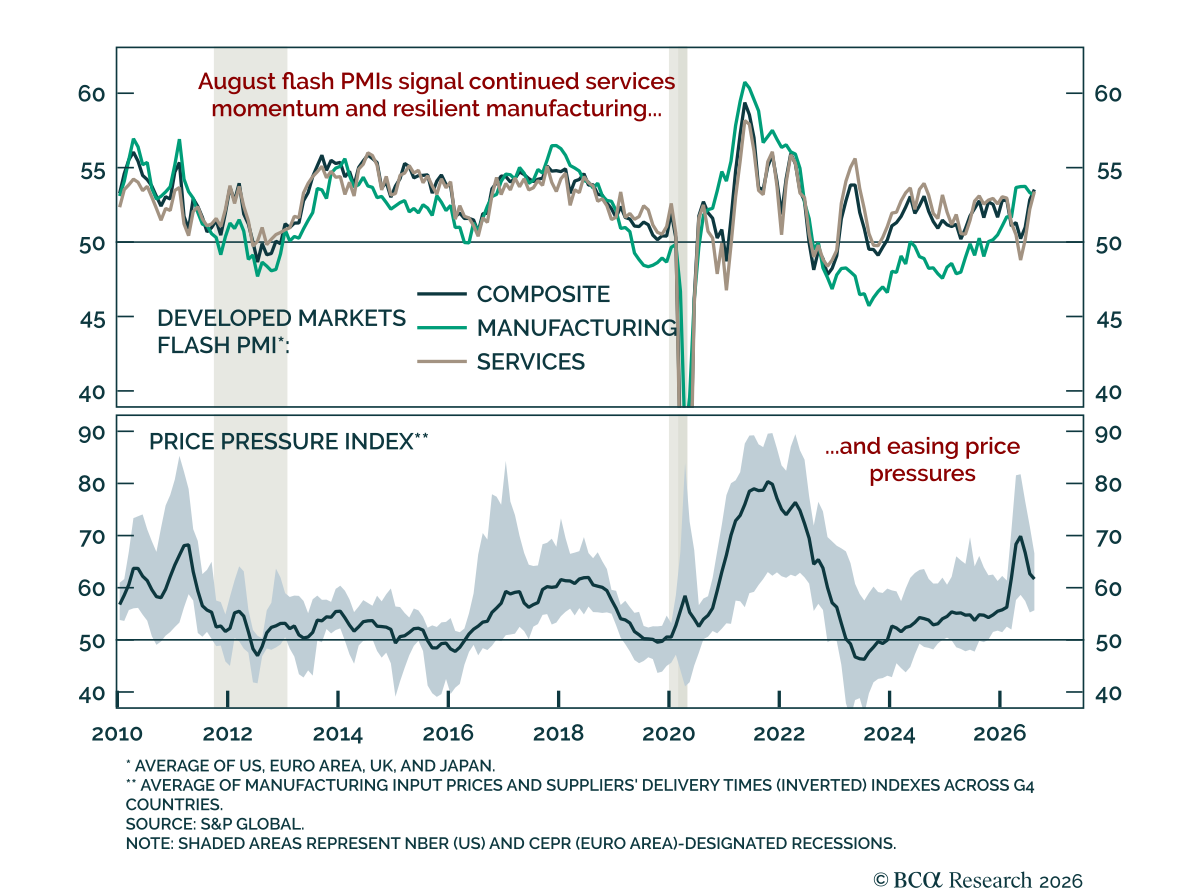
Global pipeline inflation pressures are easing, but inflation-linked bonds remain a cheap hedge against renewed upside risks. Last week’s flash PMIs for July showed price pressures cooling globally. One of our most timely inflation tools is our price pressure…
July flash PMIs show developed-market growth broadening. The US composite jumped to an eight-month-high 53.6 from 51.9, matched by services at 53.6 (up from 51.2); both beat estimates. Manufacturing eased to 53.8 from 53.9, a three-month low that missed…
Special Report

Most Fed and pundit assessments of inflation expectations are overly narrow, focusing too much on long-term market-based measures. We favor a more qualitative approach that asks whether the inflation outlook is influencing household and business decision making.

As long as the AI boom keeps booming, all other investment considerations will remain on the back burner. However, if the AI trade fizzles, this would expose deep-seated problems within the global economy, which could very well lead to an economic downturn as early as next year.