Sorry, you need to enable JavaScript to visit this website.
Skip to main content

Commodities

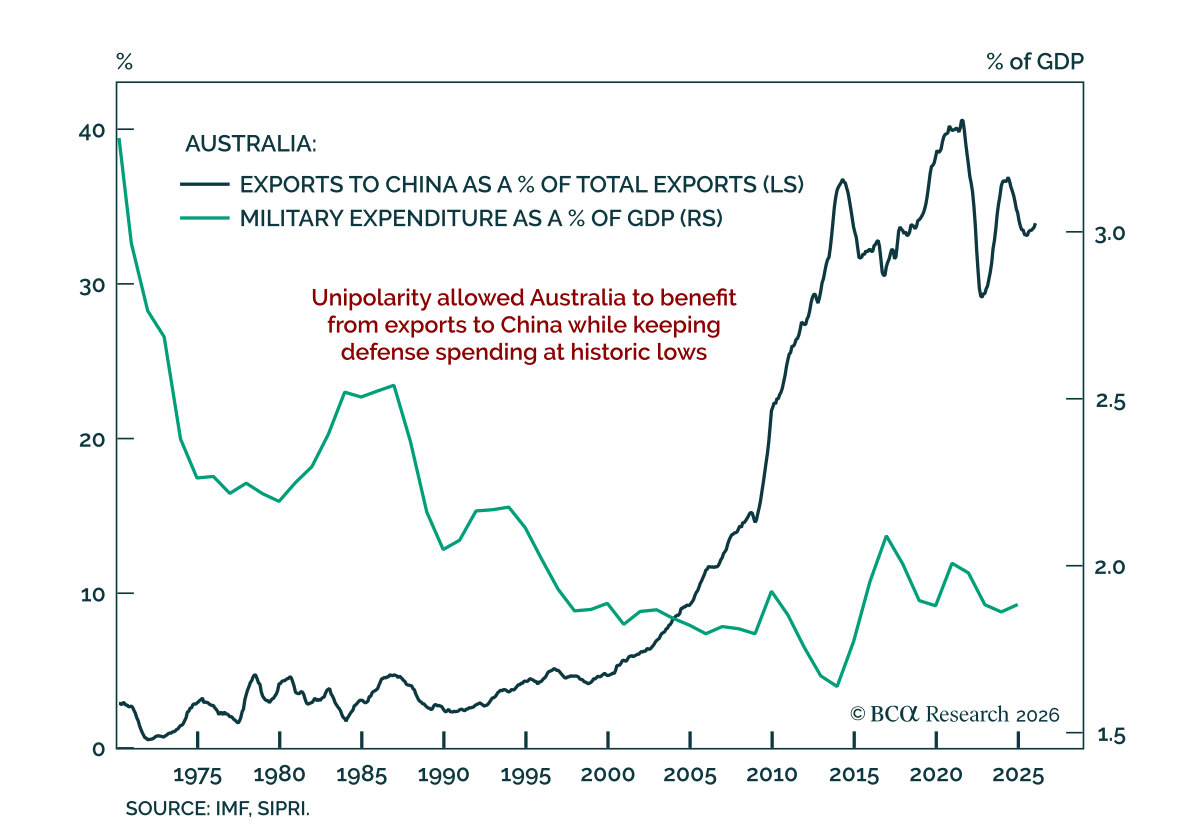
Our GeoMacro strategists see Australia as the most geopolitically conflicted major economy in the world. Its security depends on the US, its export revenues on China, and its trade routes run through waters both powers contest. How that triple exposure…
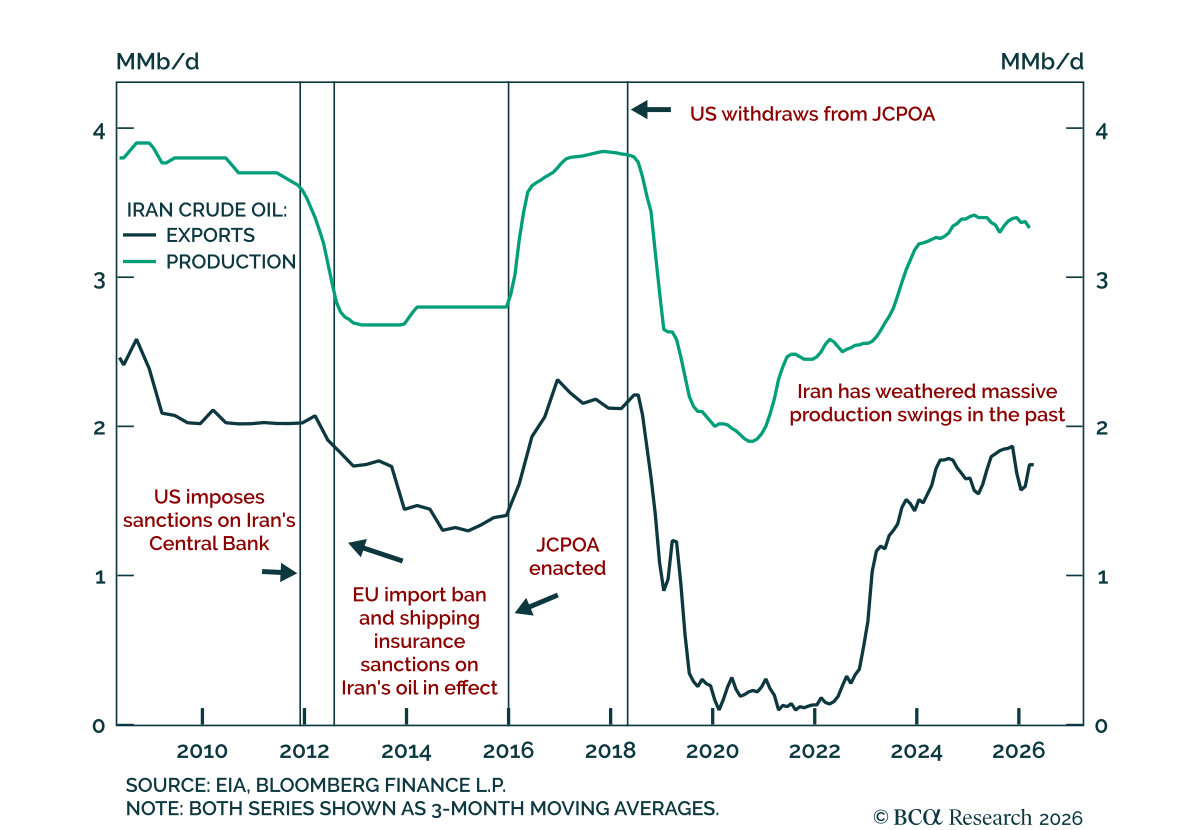
Our Commodity strategists expect oil prices to move higher as de-escalation hopes fade and Strait of Hormuz supply risks reassert themselves. Recent volatility reflect headline-driven uncertainty, with markets swinging between prospects of an imminent Strait…

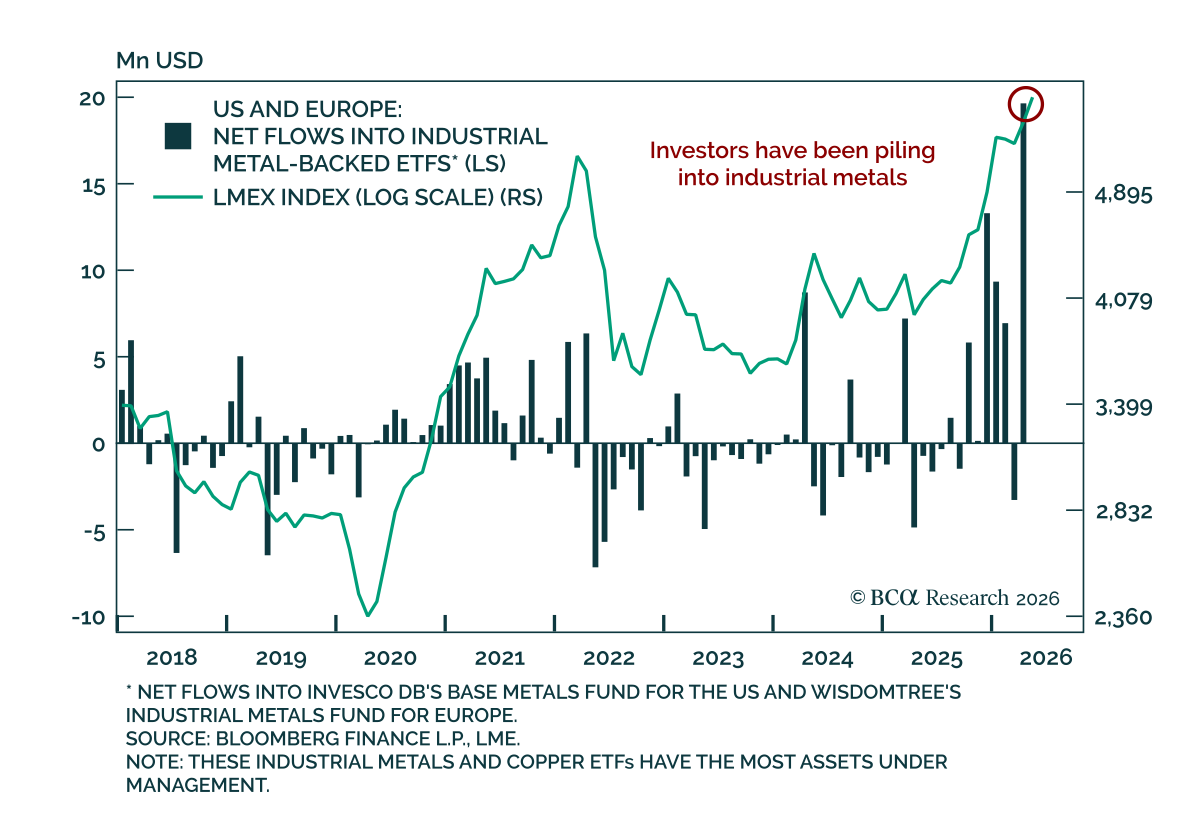
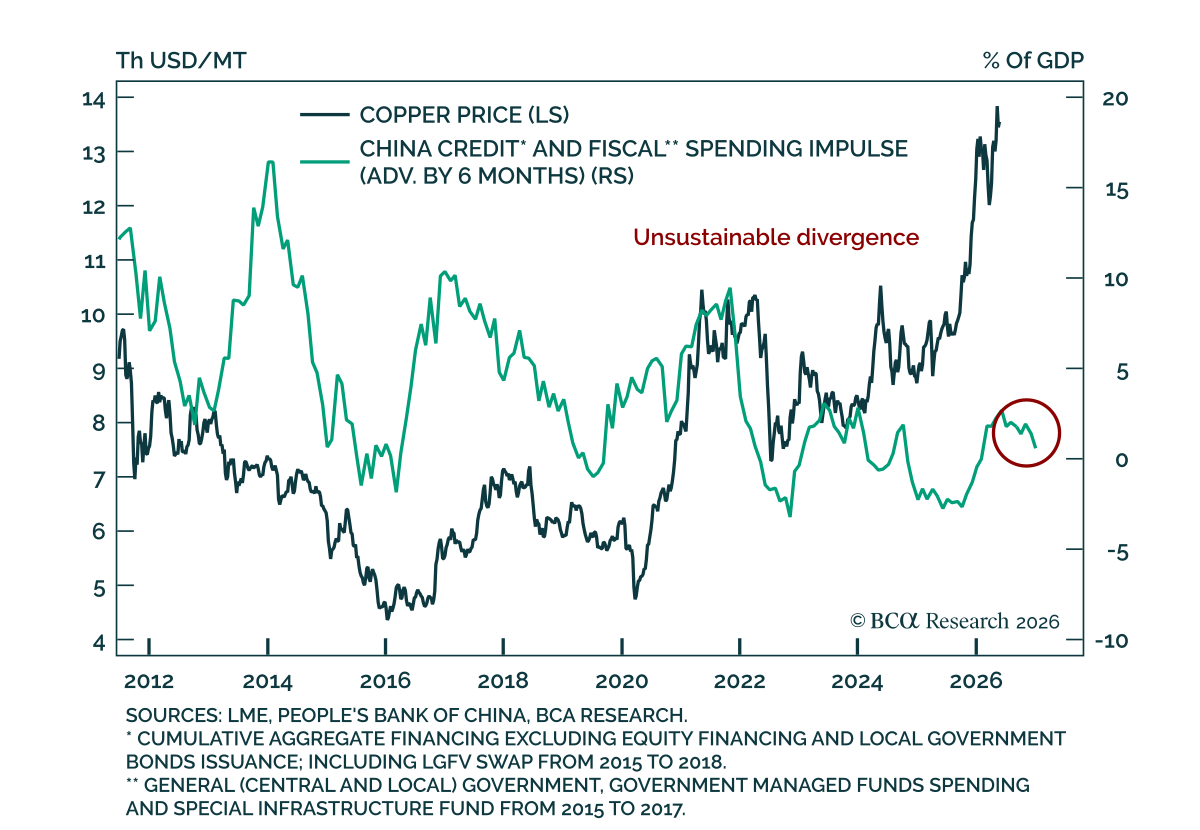
In this month’s Beta Report, we assess what that structural tension means for investors under two distinct scenarios. In our base case – a multipolar world order – Australia's position turns out to be more advantageous than it appears. The great power capital expenditure race generates demand for precisely what Australia produces. In the tail risk – a hard bipolar rupture – the calculus inverts, and the same commodity dependencies that long appeared as structural strengths begin to look like structural liabilities.

Hopes for an imminent Middle East de-escalation have capped oil prices in recent weeks, but that restraint may soon fade.

Our Counterpoint strategists argue that AI is unlikely to deliver the productivity acceleration that new Fed Chair Kevin Warsh is betting on. If that bet fails, our colleagues would expect the US inflation overshoot to persist; long-dated Treasuries thus…
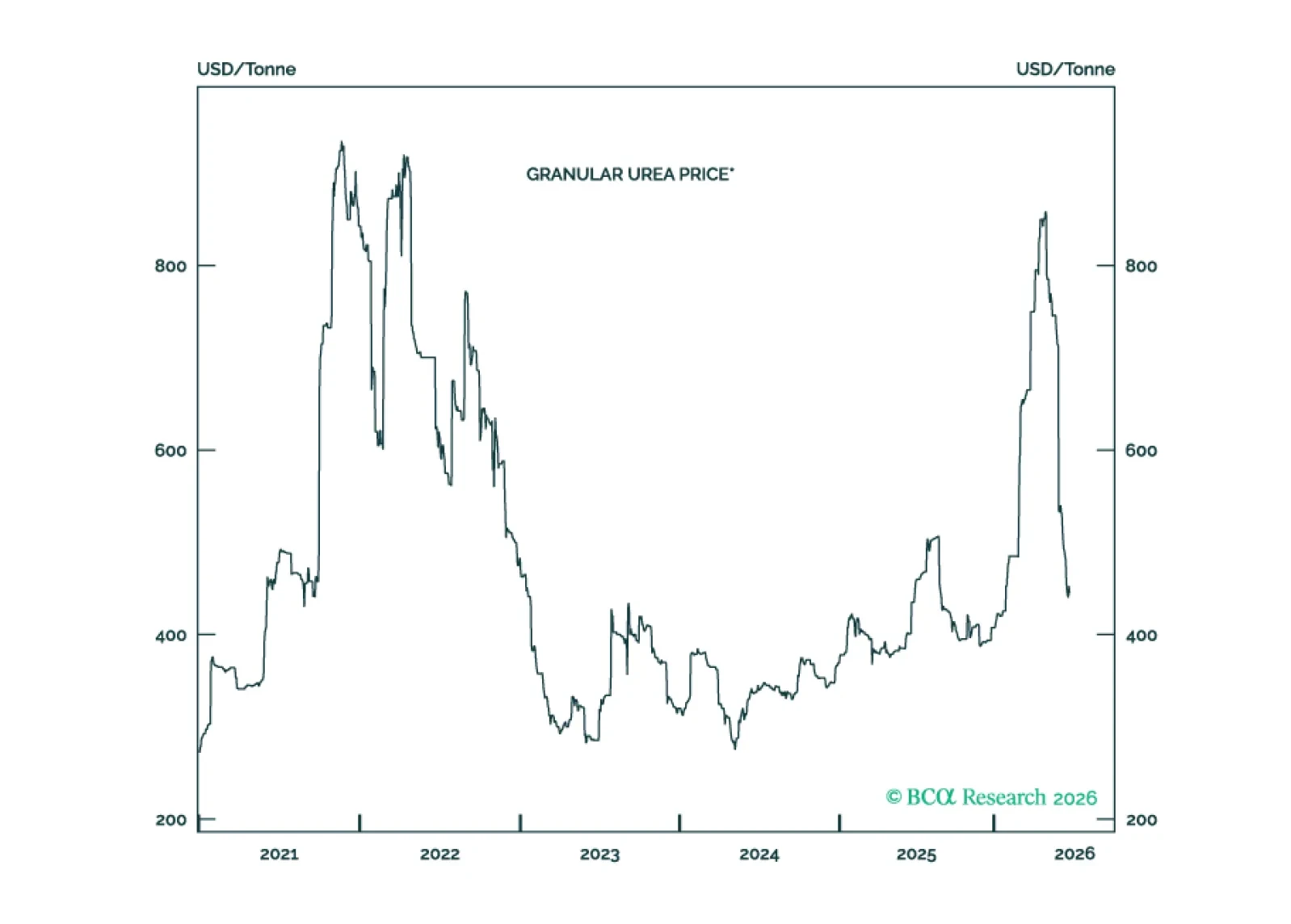
The Hormuz crisis is likely to disrupt urea markets; trade routes and production capacity can only adjust slowly and at meaningful cost. Our Chart Of The Week comes from Jose Yanes, analyst in our GeoMacro team.  In the Hormuz crisis, urea sits…

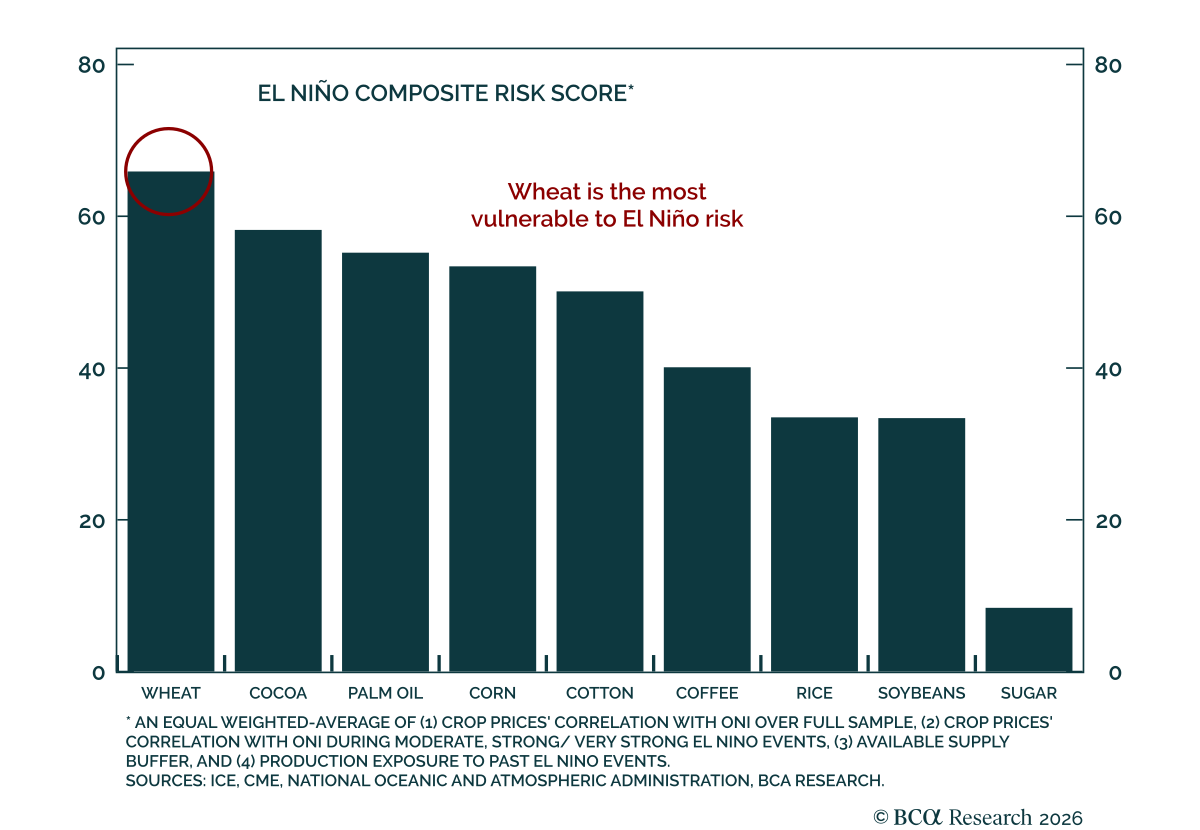
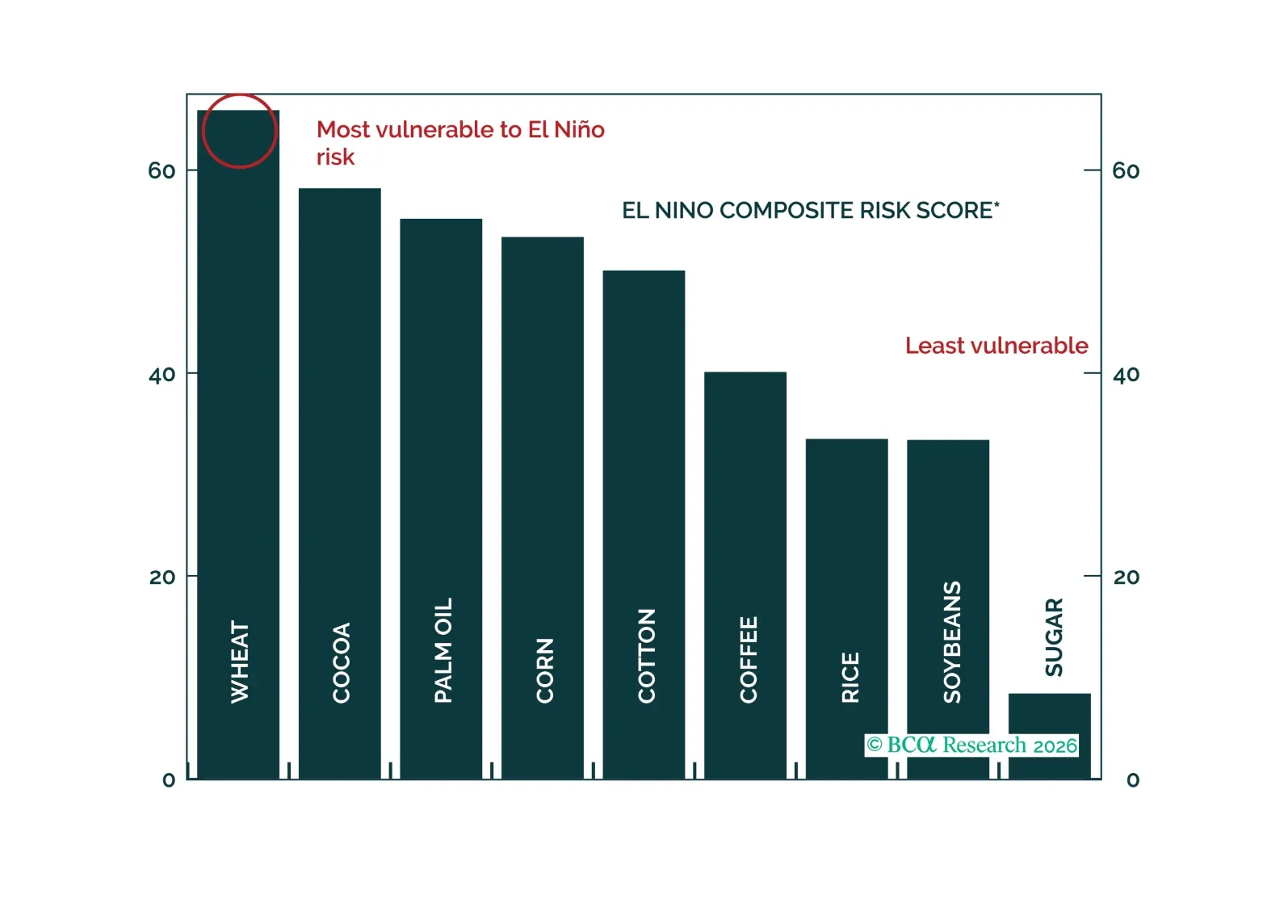
New Fed Chair, Kevin Warsh, is betting that an AI-driven productivity acceleration will get the Fed out of jail for persistently missing its 2 percent inflation target. But history informs us that while new technology adoption is exponential, total productivity growth is not. So, if Warsh’s bet goes wrong, as is likely, the US inflation overshoot will persist. We discuss the investment implications. Plus, a new trade is short cotton.

In Section I, Doug compares projected S&P 500 earnings and current capex to past cycles at the same stage of their expansions while also exploring the K-shaped bifurcation in business investment. In Section II, Mathieu argues that Australia and Canada are unloved, undervalued, and on the cusp of a structural re-rating. Long-term investors who wait for the catalysts to become obvious will miss the entry point.

Special Report

This Special Report argues that Australia and Canada are unloved, undervalued, and on the cusp of a structural re-rating. Long-term investors who wait for the catalysts to become obvious will miss the entry point.

The Iran war has damaged LNG production capacity and halted tanker flows through the Strait of Hormuz. We assess the conflict's impact on LNG markets over cyclical and structural horizons.