Monetary Policy
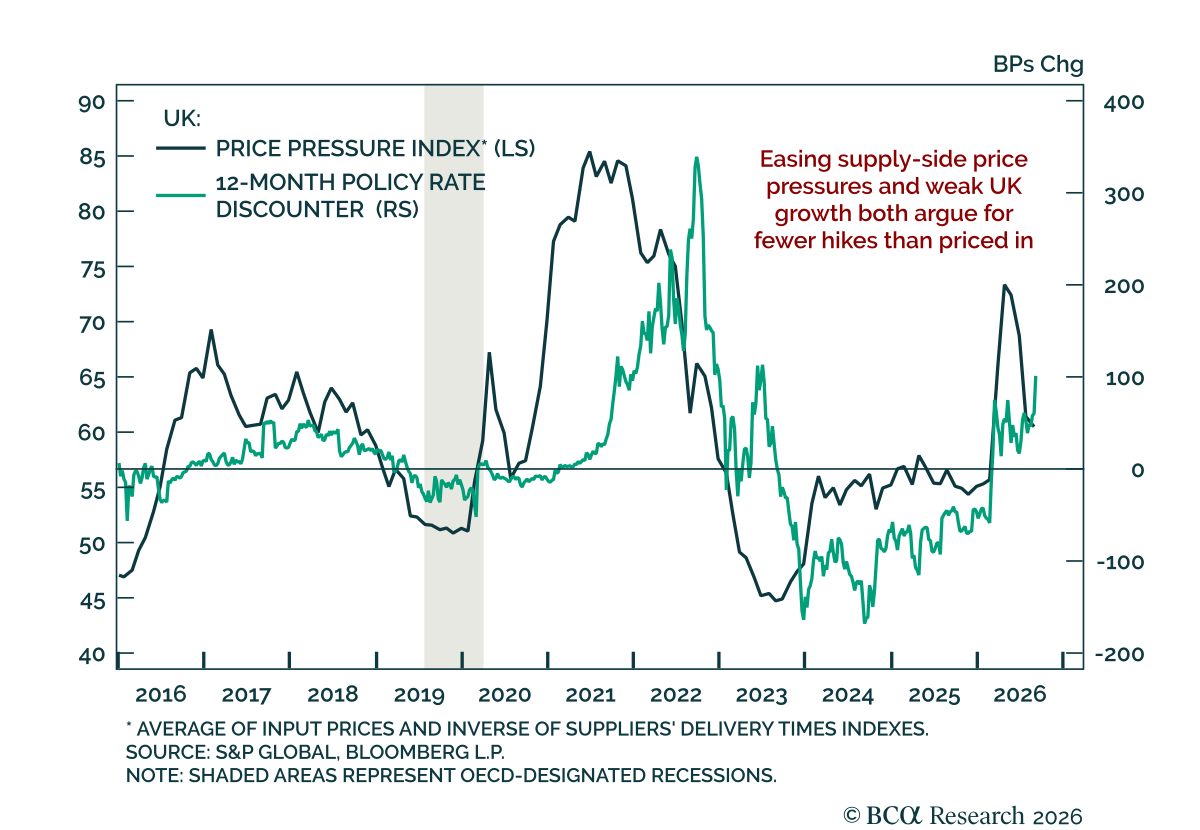
The BoE held rates at 3.75%, but despite a more cautious tone on inflation, the UK economy still shows little risk of overheating or second-round effects, supporting our overweight on gilts. The decision was split 6-3, with Greene, Mann, and Pill voting for a…
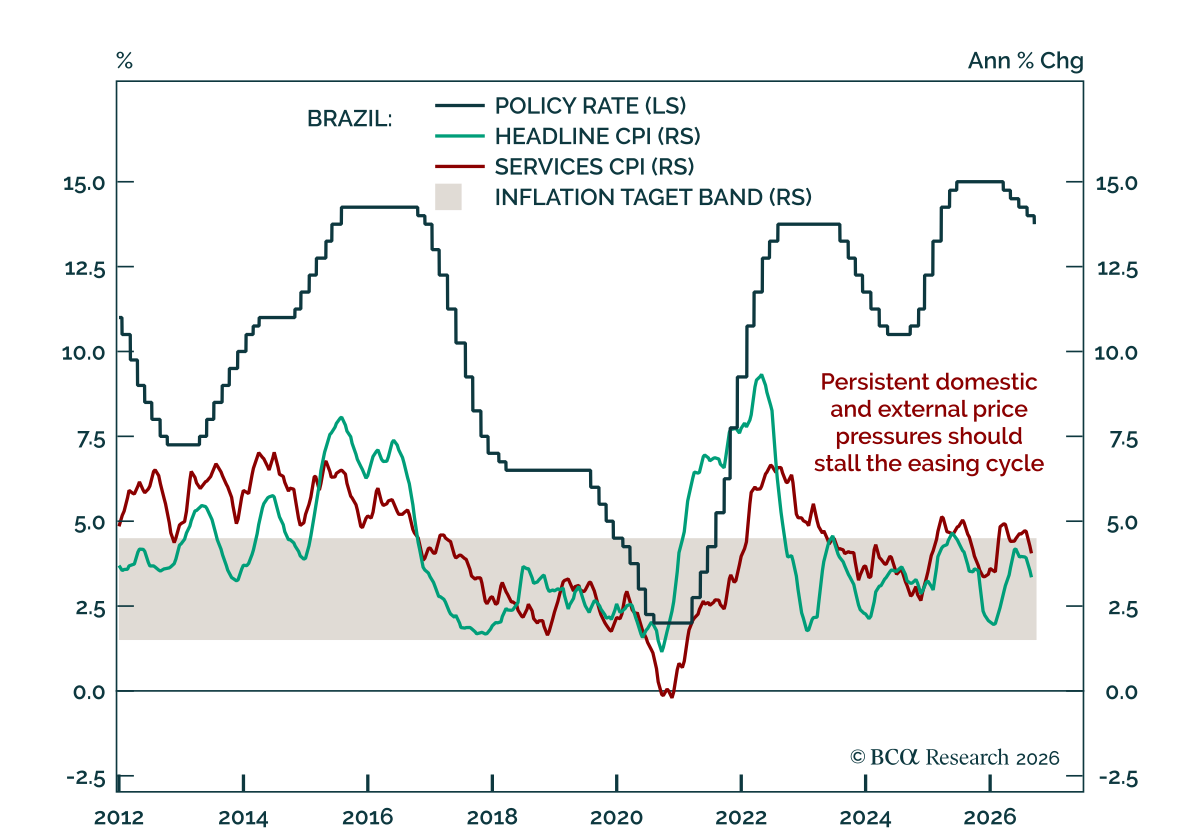
Brazilian inflation has eased enough for the BCB to continue cutting rates, but persistent domestic and external pressures should bring the easing cycle to a pause. The central bank delivered a fifth consecutive 25 bps cut, taking the policy rate to 13.75%.…
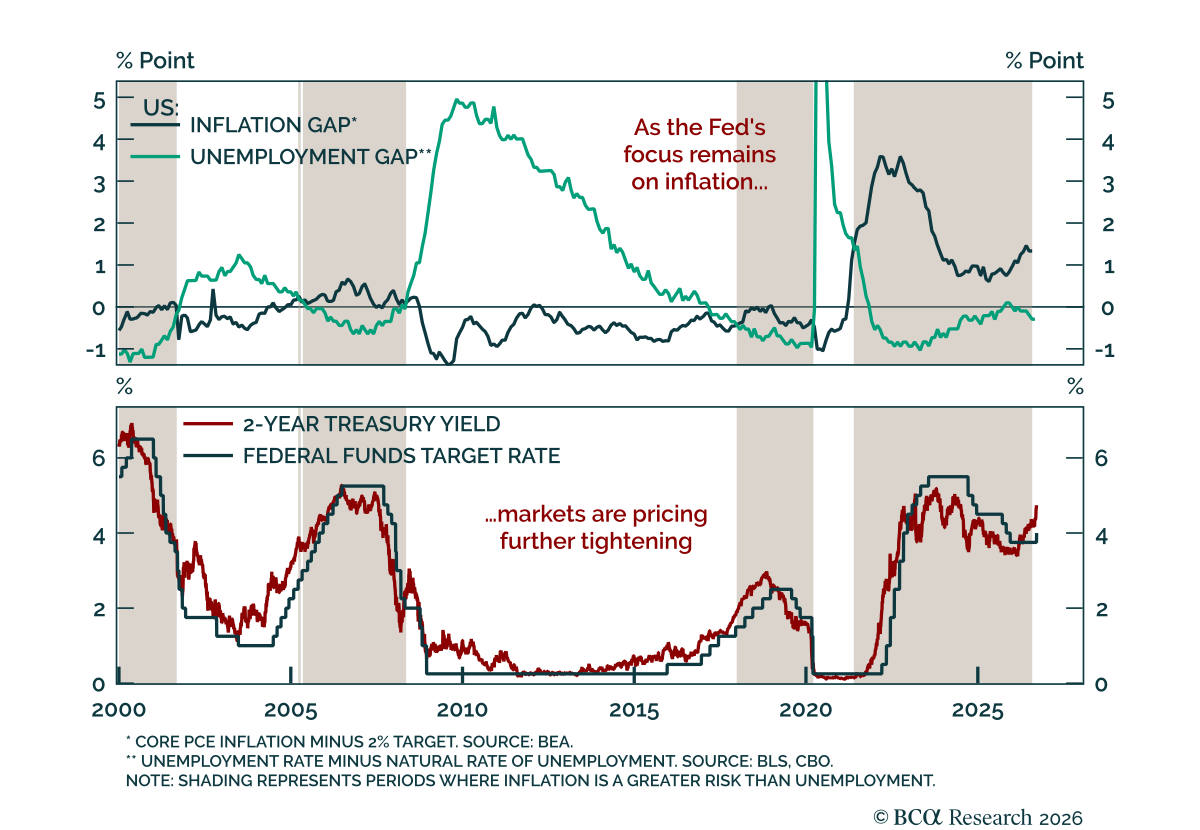
The Fed’s 25 bps hike confirms the start of a new tightening cycle, but our US Bond strategists still expect that cycle to be mild and front-loaded. The FOMC unanimously lifted the fed funds target range to 3.75%-4%, with the statement saying the move was…
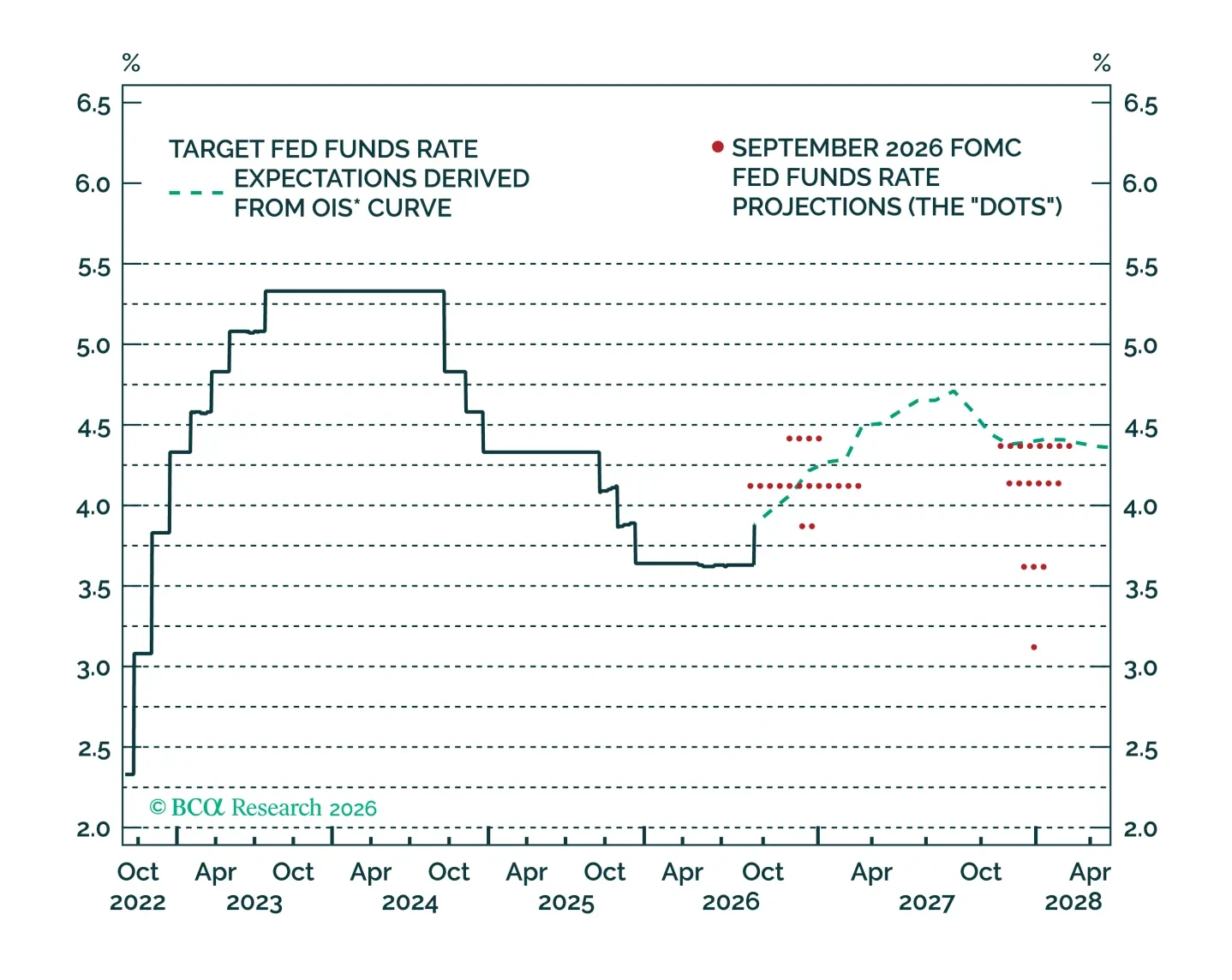
The Fed is unanimous in expecting a mild tightening cycle of no more than 75 bps, but that outcome is contingent on a rapid drop in core inflation in 2027.
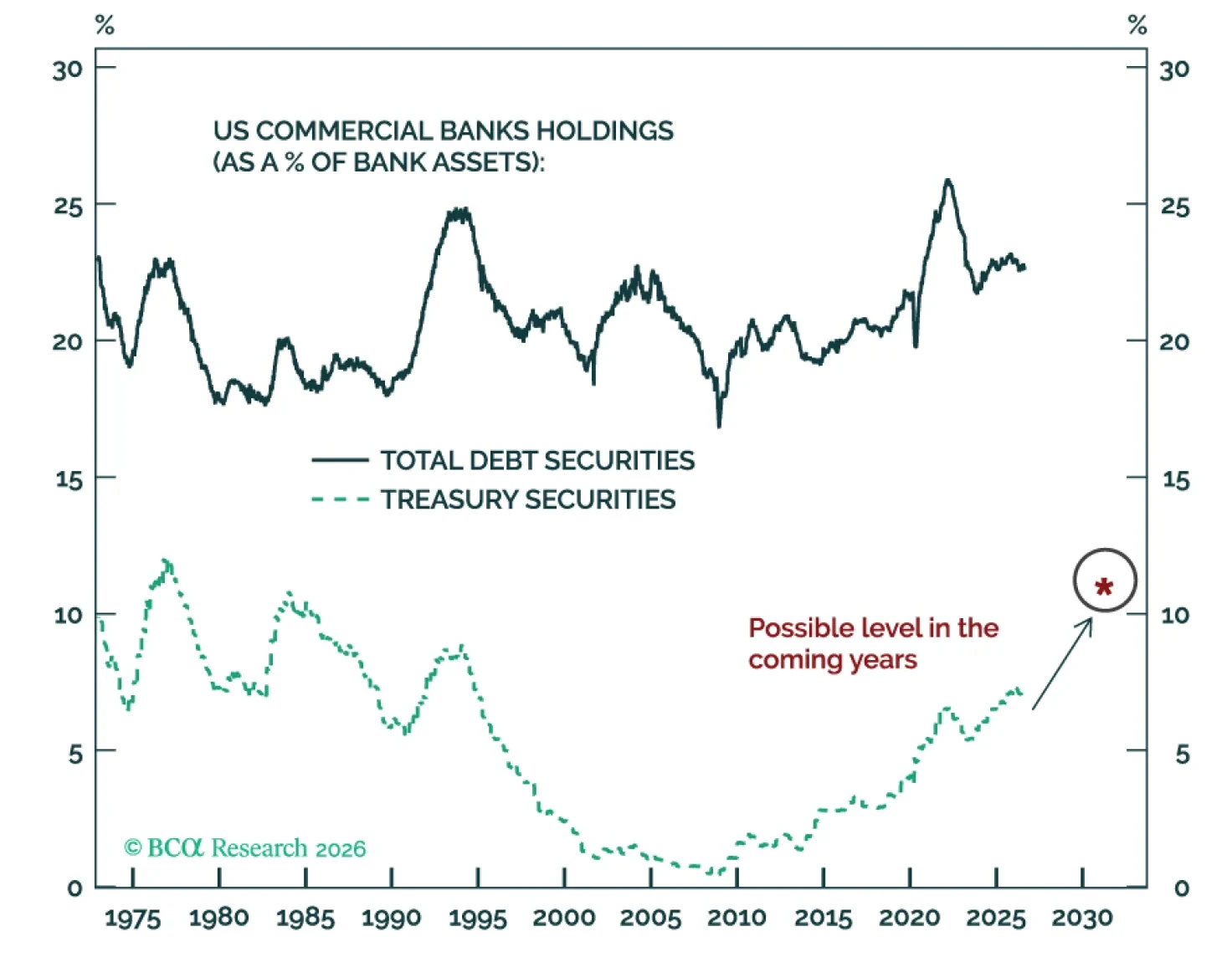
Scott Bessent’s attempts to suppress yields while financing large twin deficits risk crashing foreign inflows, the dollar, US bonds, and equities. Without a major equity selloff or large-scale commercial bank purchases of Treasurys, the bond selloff will persist – producing a major equity drawdown and a lower dollar.

The August CPI report was slightly hotter than expected and guarantees a Fed hike on Wednesday; but there is still no evidence of broadening inflation pressures or second-round effects. Headline CPI was in line with consensus at 0.4% m/m, leaving the annual…
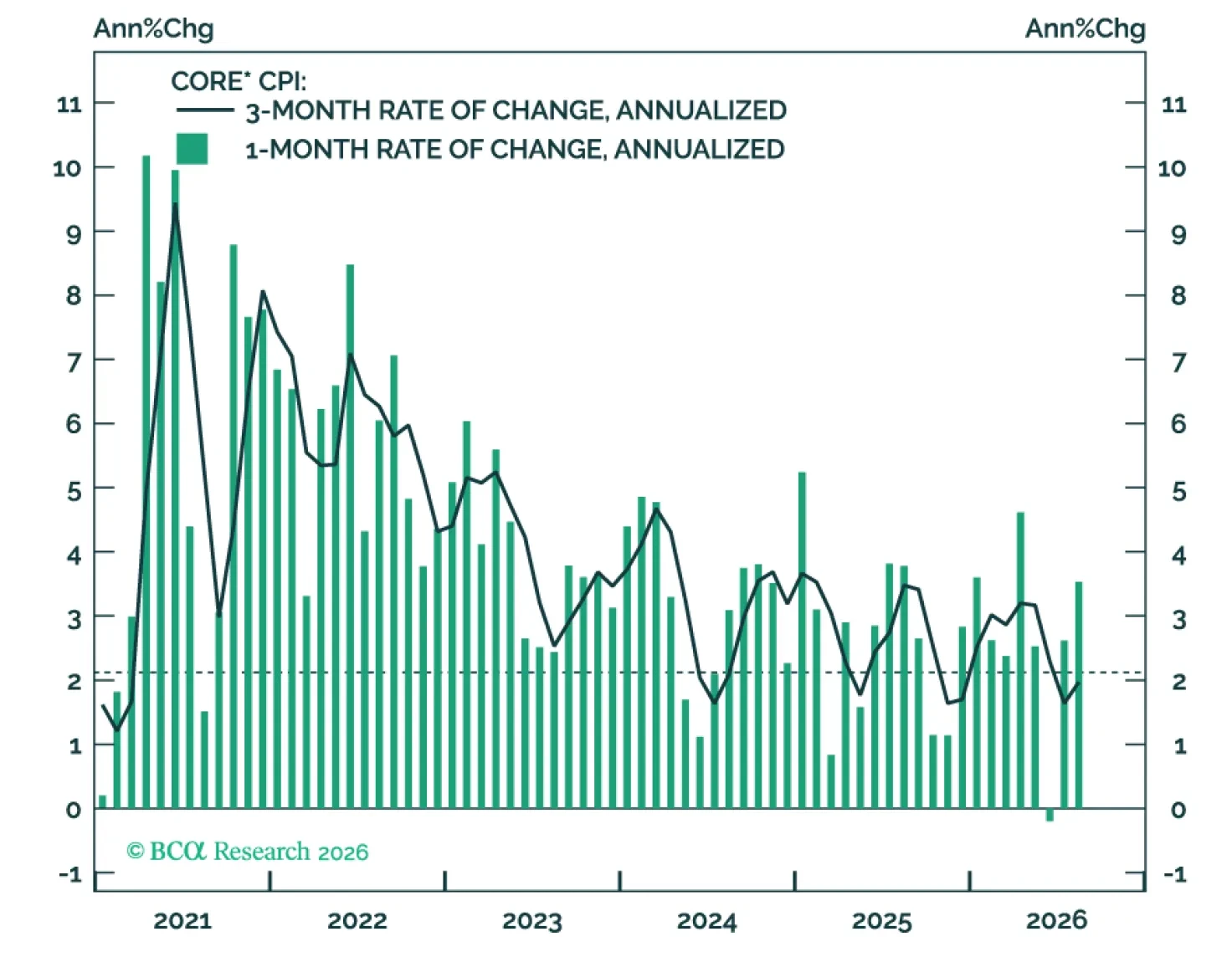
August’s 0.3% increase in core CPI breaks inflation’s 3-month downtrend and is likely hot enough for the Fed to hike rates when it meets next week.

The August PPI report showed a renewed cost-push inflation impulse, but there is still little evidence of second-round effects. Headline PPI for final demand rose 0.4% m/m, in line with estimates and up from an upwardly revised 0.1% in July, lifting the…
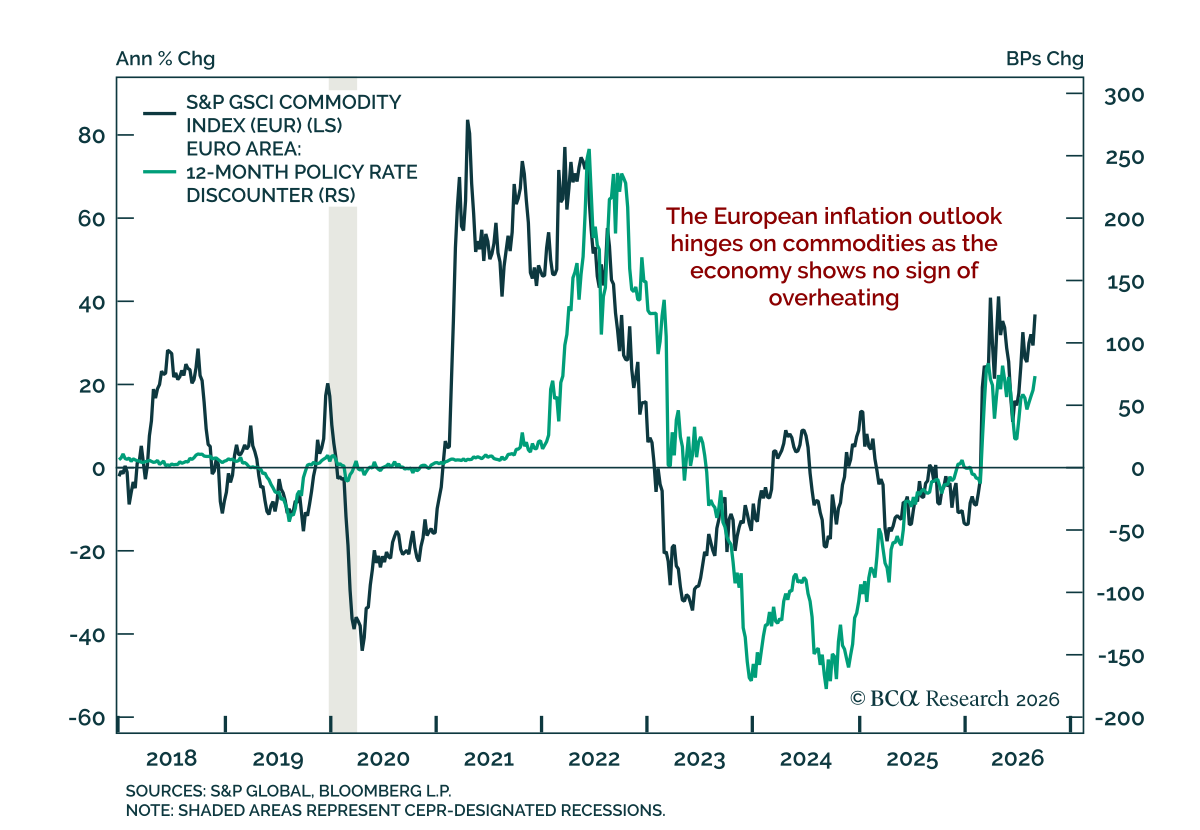
The ECB hiked rates by 25 bps to 2.50%, but the supply-driven nature of inflation should limit how far tightening extends into restrictive territory. This was the second hike since the Iran war began in February, leaving the deposit rate at the upper end of…
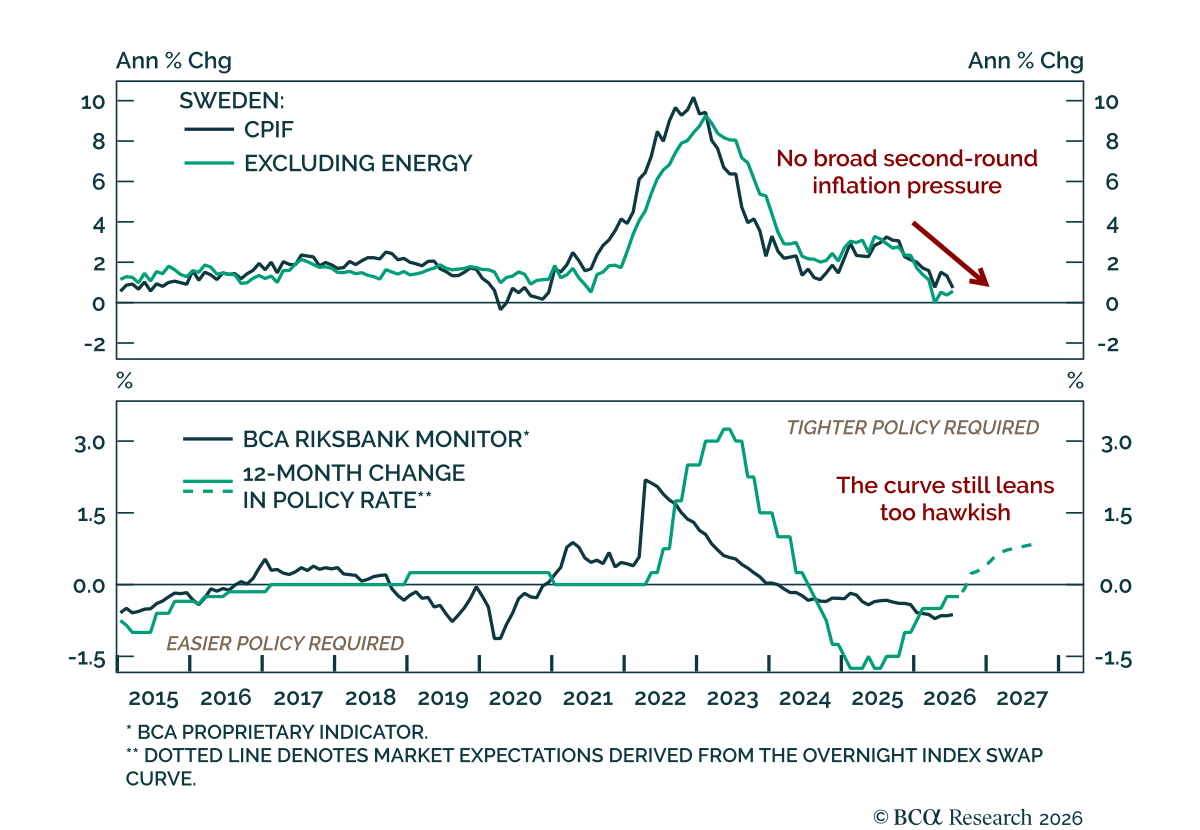
Sweden’s August inflation miss reverses July's core spike, strengthening the case for fading Riksbank tightening. CPIF held at 0.7% y/y, below the 0.9% consensus, while CPIF excluding energy eased from 0.6% to 0.5%, undershooting the 0.7% consensus and…