Bonds
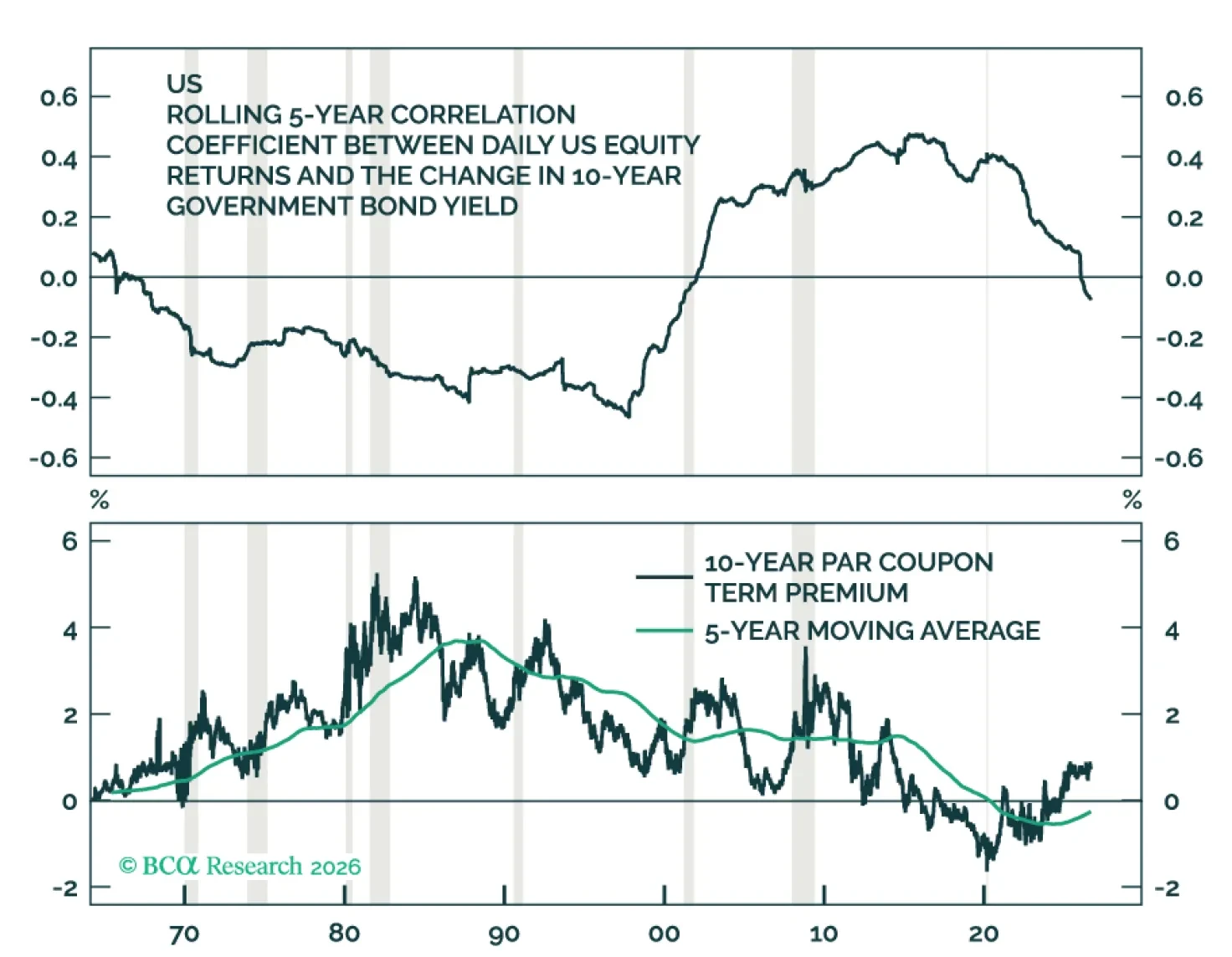
We propose a unified framework for predicting the direction of short-term interest rates and long-term bond yields that brings together three approaches: 1) the saving-investment approach; 2) the Taylor rule approach; and 3) the portfolio balance approach. Our analysis suggests that bond yields in the US and many other countries have increased mainly because of a higher neutral interest rate and a larger term premium. Given the risk of a further rise in inflation expectations, investors should overweight inflation-linked bonds.
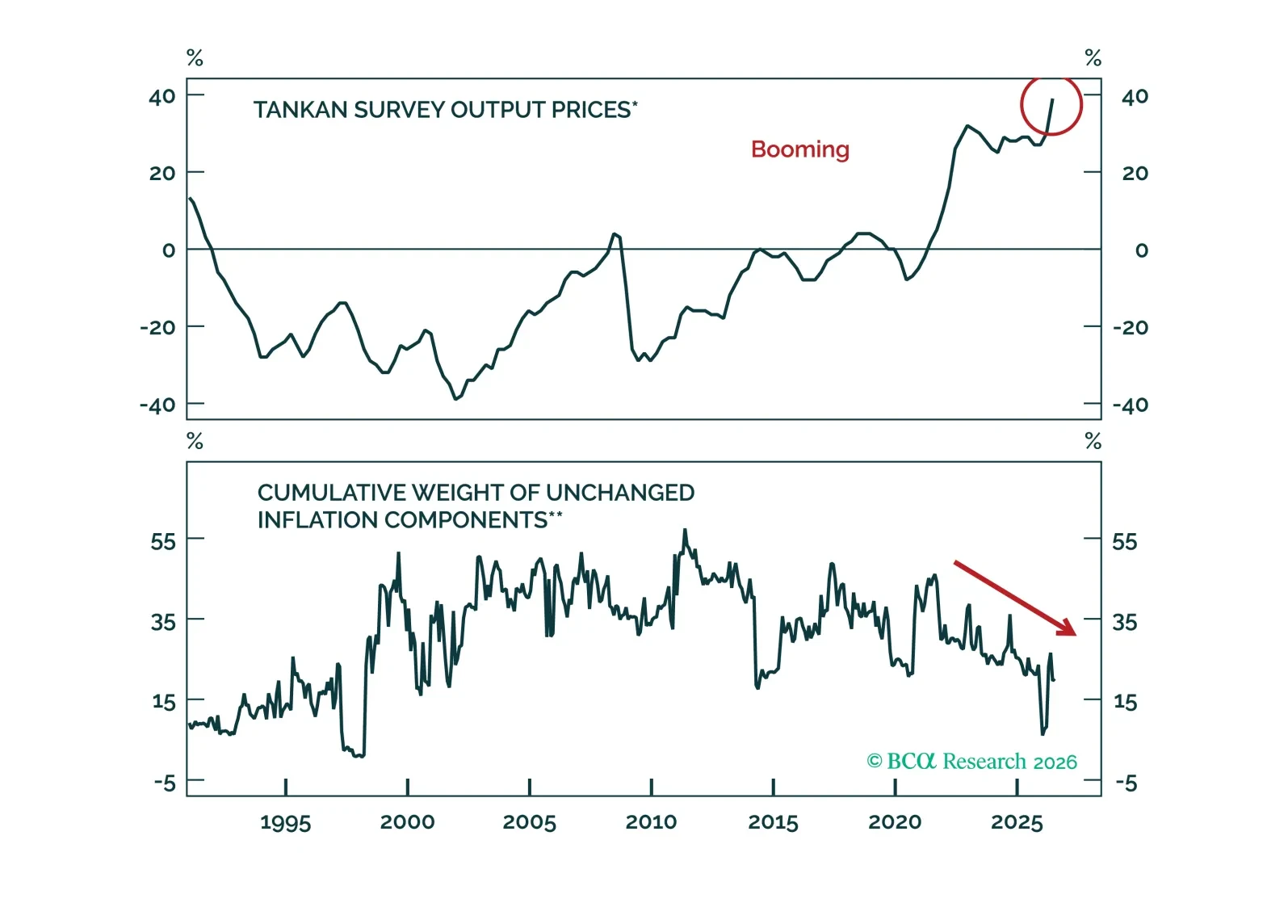
The yen's next leg isn't a fiscal story, it's an inflation one, and the BoJ is about to admit it. We lay out why a September pivot sends USD/JPY toward 99, and why global risk assets won't pay the price.
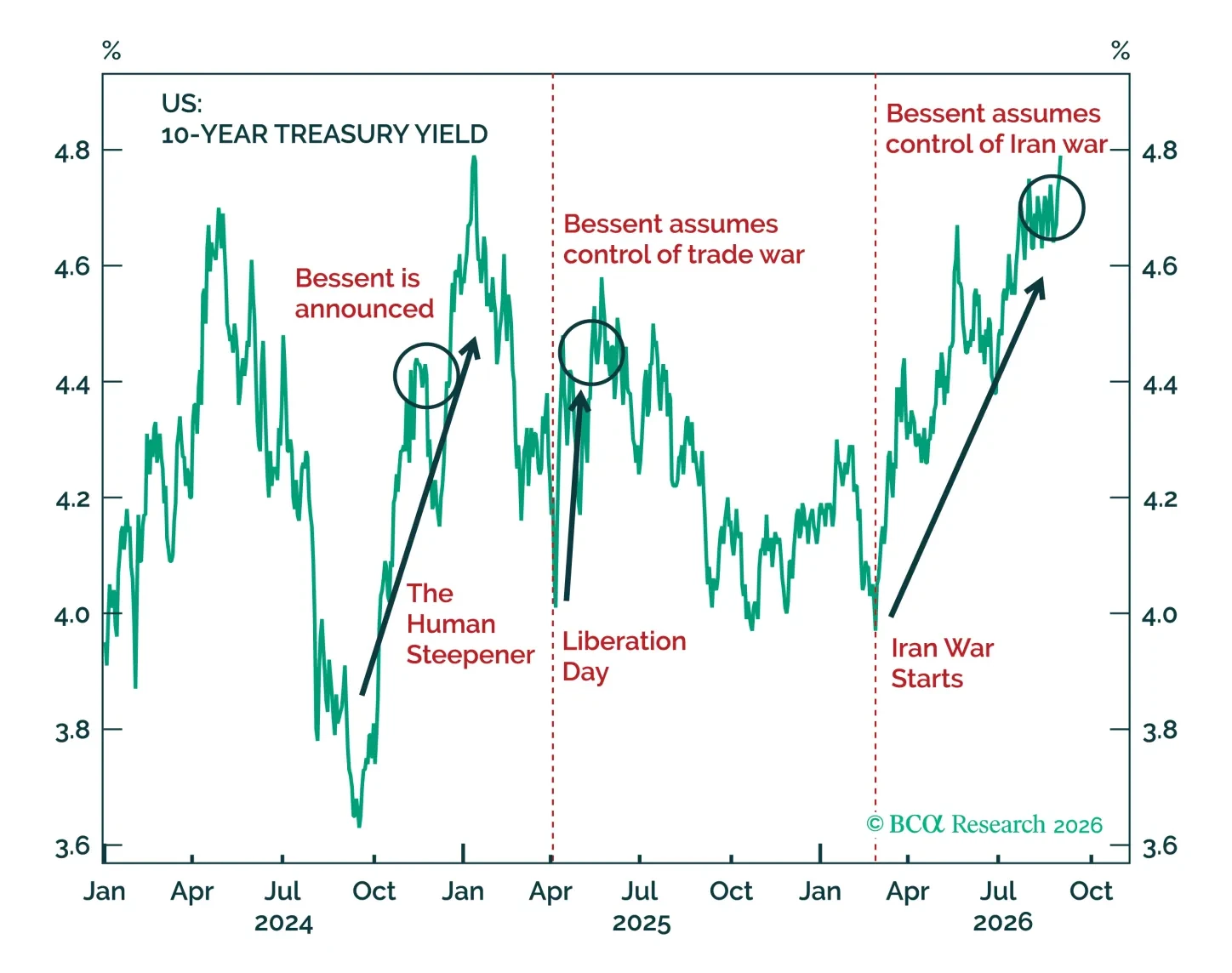
Markets have become obsessed with the rise of global long-dated yields. To some extent, we agree with the concern. Bonds are trading on "vibes," alarmed by the incoherent US geopolitical policy. Oil prices are obviously the conduit between that policy and the markets. On the other hand, growth is also robust. As such, bond market selloff is not all just negativity.
The one secular theme driving the bond market selloff that does not bother us all that much is fiscal policy. We see signs — including actual budget deficit data! — that the US, policymakers and voters alike, is starting to understand that there are limits to profligacy. As such, we would advise clients with a long term focus to begin nibbling at the hated bonds.