Inflation
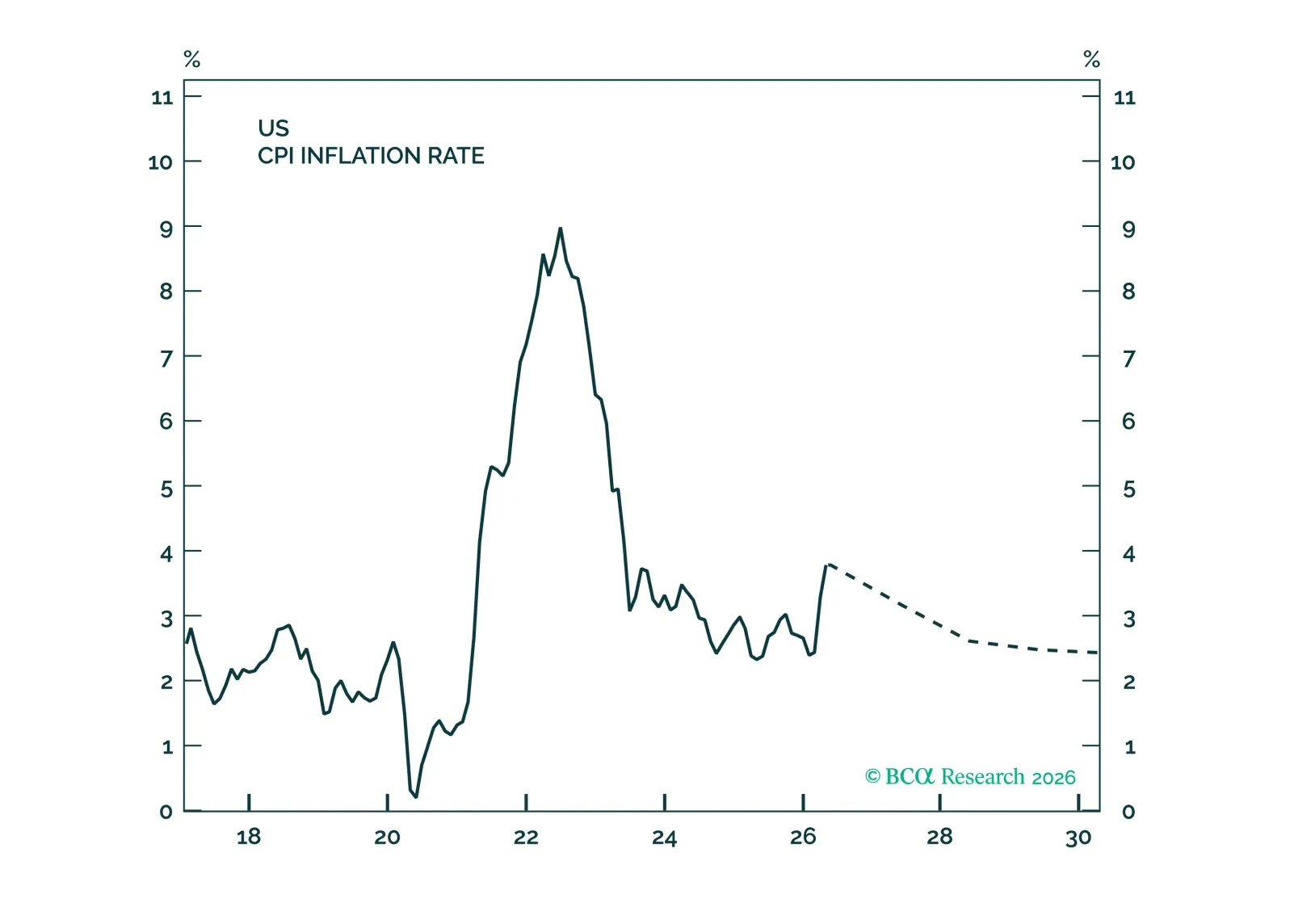
The AI boom will increase inflation in the near term and could also raise it over the long term. The Fed’s reluctance to hike rates is understandable, but it risks amplifying what may already be a brewing stock market bubble.
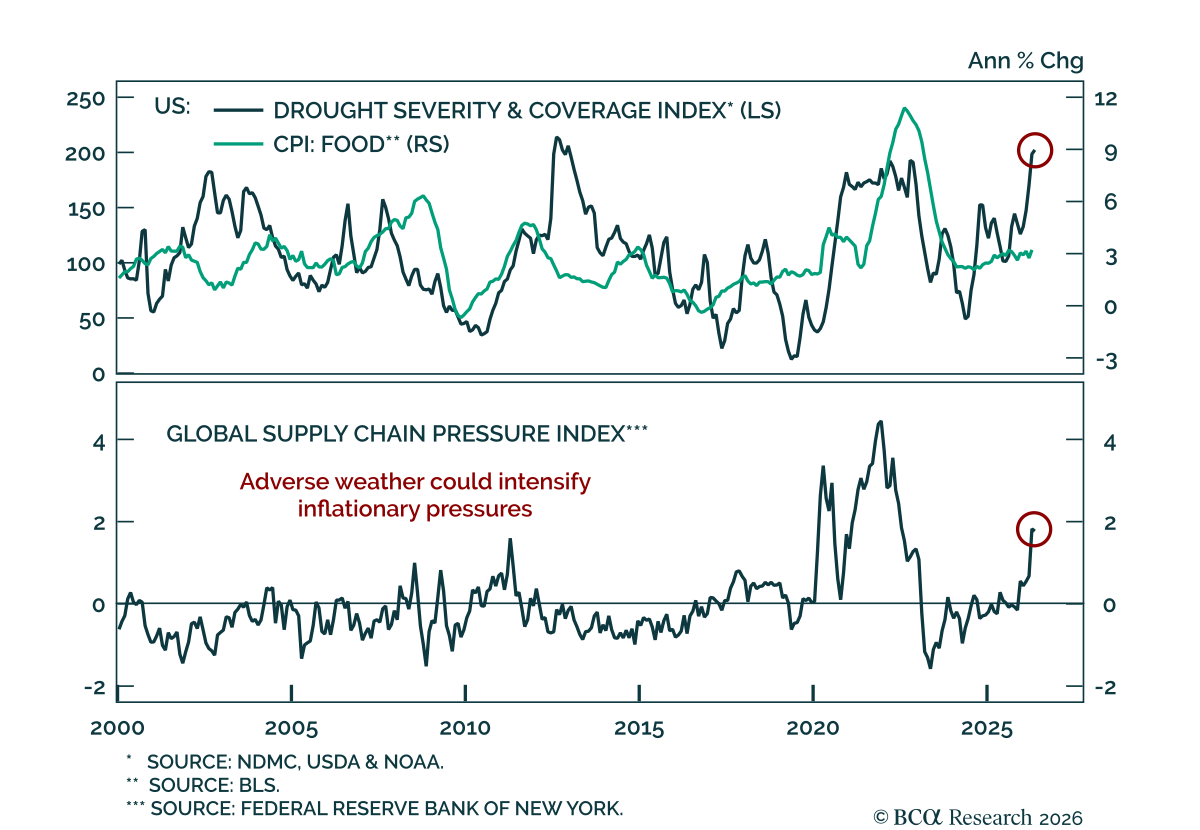
Severe US droughts reinforce an already inflationary backdrop and highlight risks of overshoots, warranting close monitoring. Close to 60% of continental US territory is in drought conditions, making this one of the worst drought episodes on record, according…
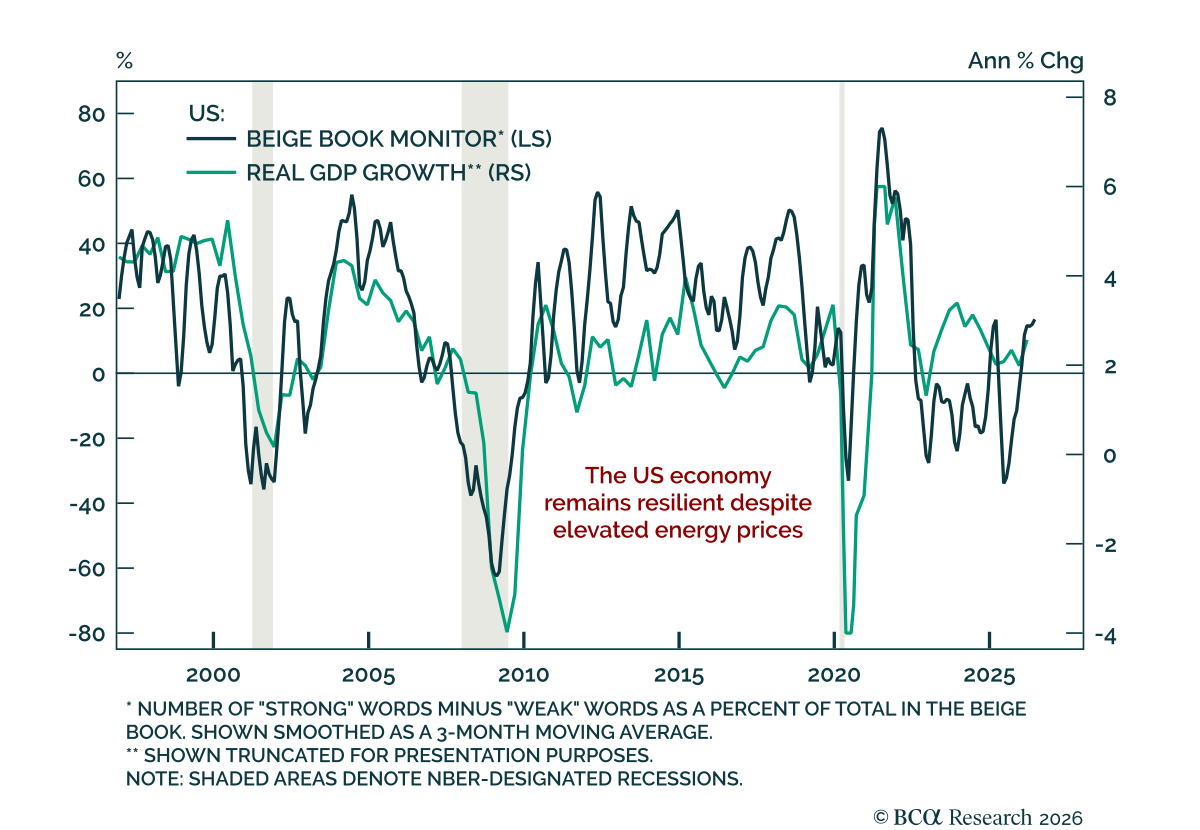
The Beige Book reinforces a slight-to-moderate growth backdrop with widening consumer stress, stronger manufacturing, and sticky cost pressures. Latest comments provide a new angle into recent developments and the sentiment of economic agents in the face of…
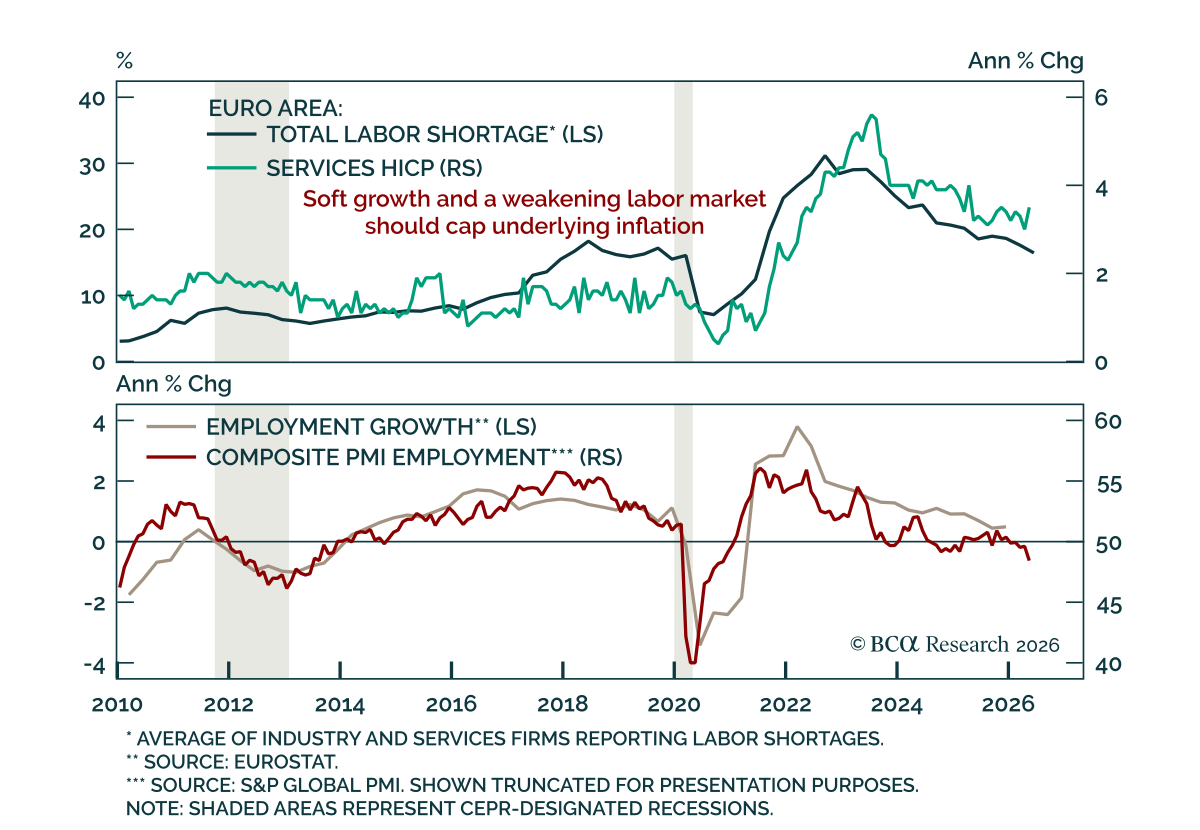
Euro area core inflation jump to 2.5% strengthens the case for a near-term ECB insurance hike, but investors should not extrapolate hawkish policy over the next 12 months. The move from 2.2% to 2.5% in May exceeded expectations of 2.4%, but core HICP remains…
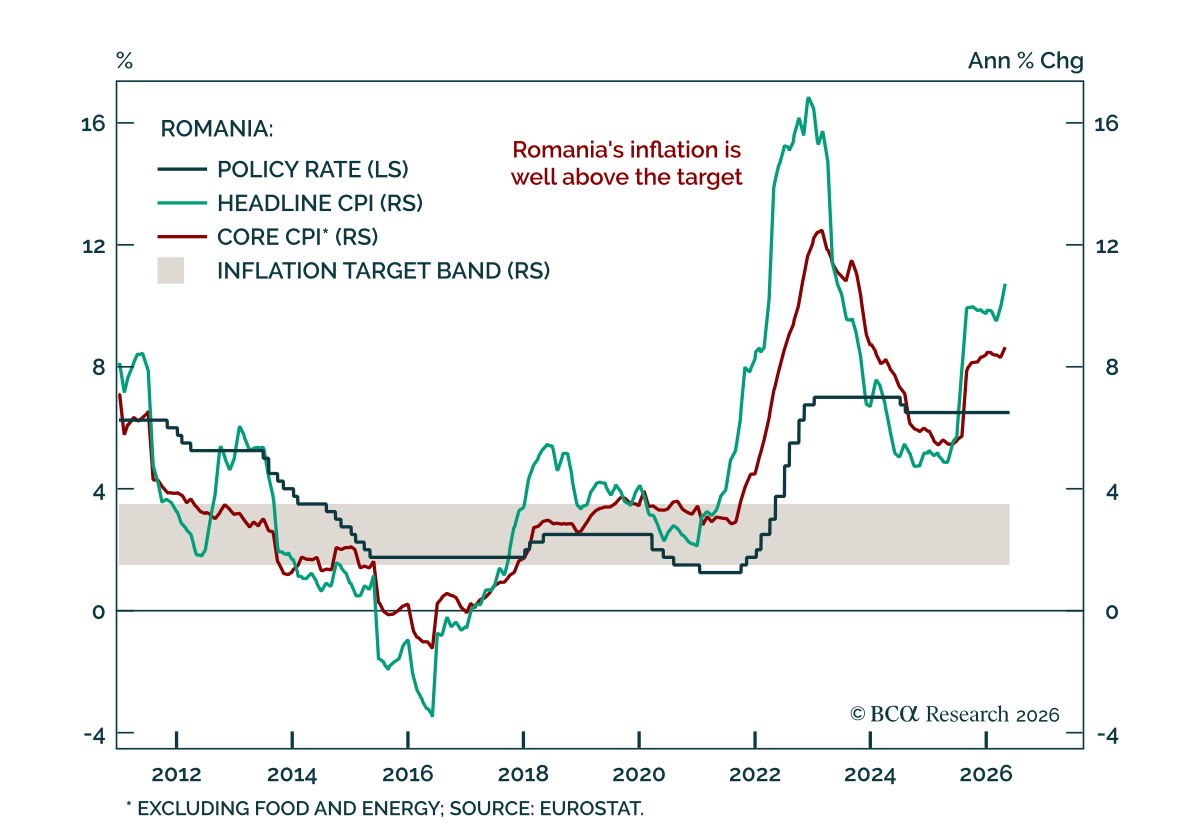
Our EM strategists see Romania drifting toward a currency crisis as twin deficits, high inflation, and an overvalued leu strain macro stability. Political uncertainty is making the adjustment harder by reducing the odds of credible fiscal tightening and…
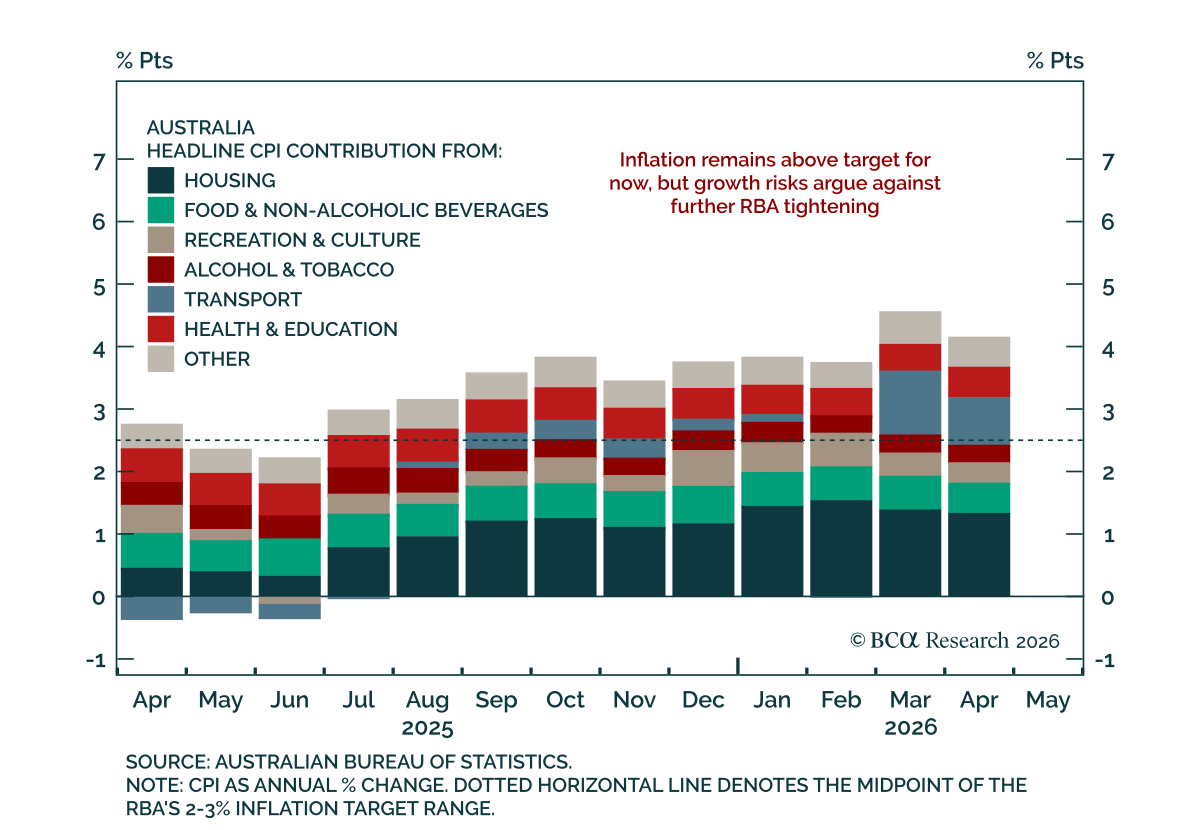
Australian CPI remains hot, but growth risks will limit further RBA tightening. April headline inflation decelerated more than expected to 4.2% y/y (0.4% m/m) from 4.6% (1.1%), partly reflecting a government fuel tax cut. The trimmed mean ticked up to 3.4%…
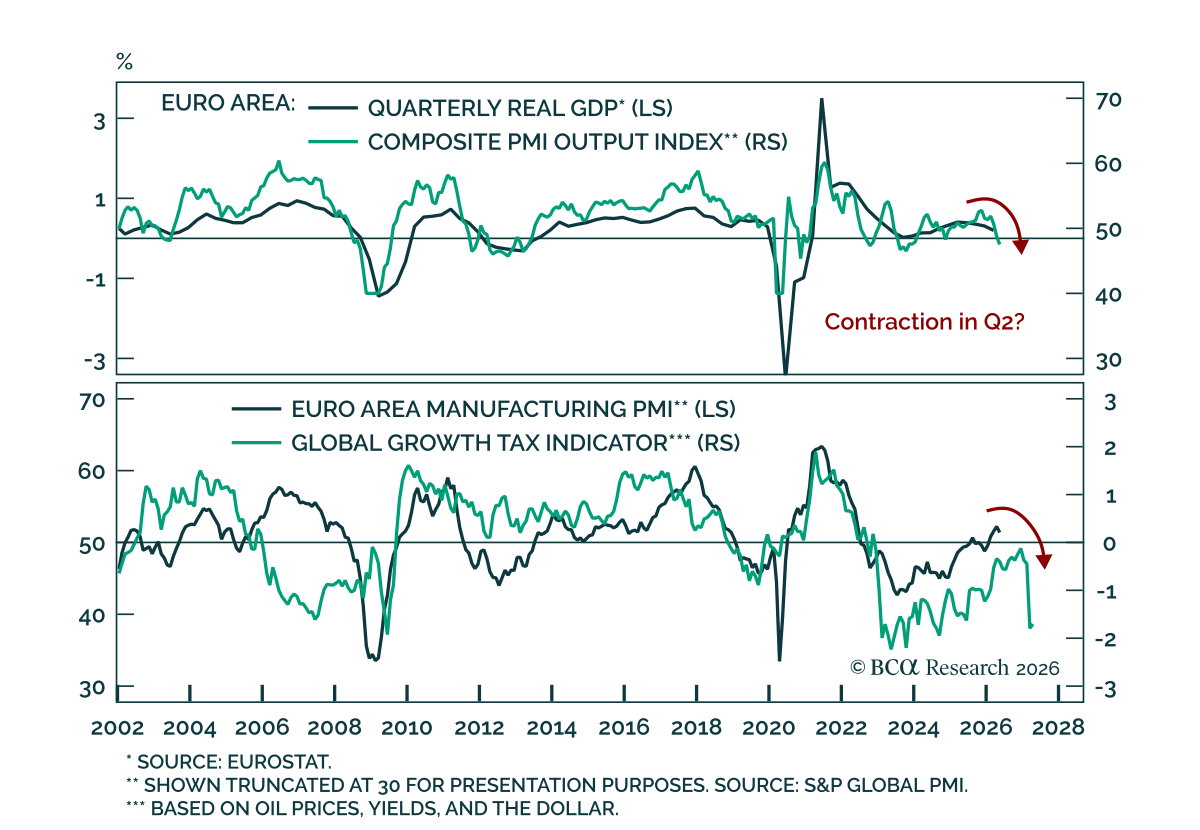
Our European strategists argue Europe is shifting from stagflation toward recession. Growth is weakening rapidly, labor markets are softening, and limited fiscal space leaves the economy exposed to renewed inflationary pressures, especially…
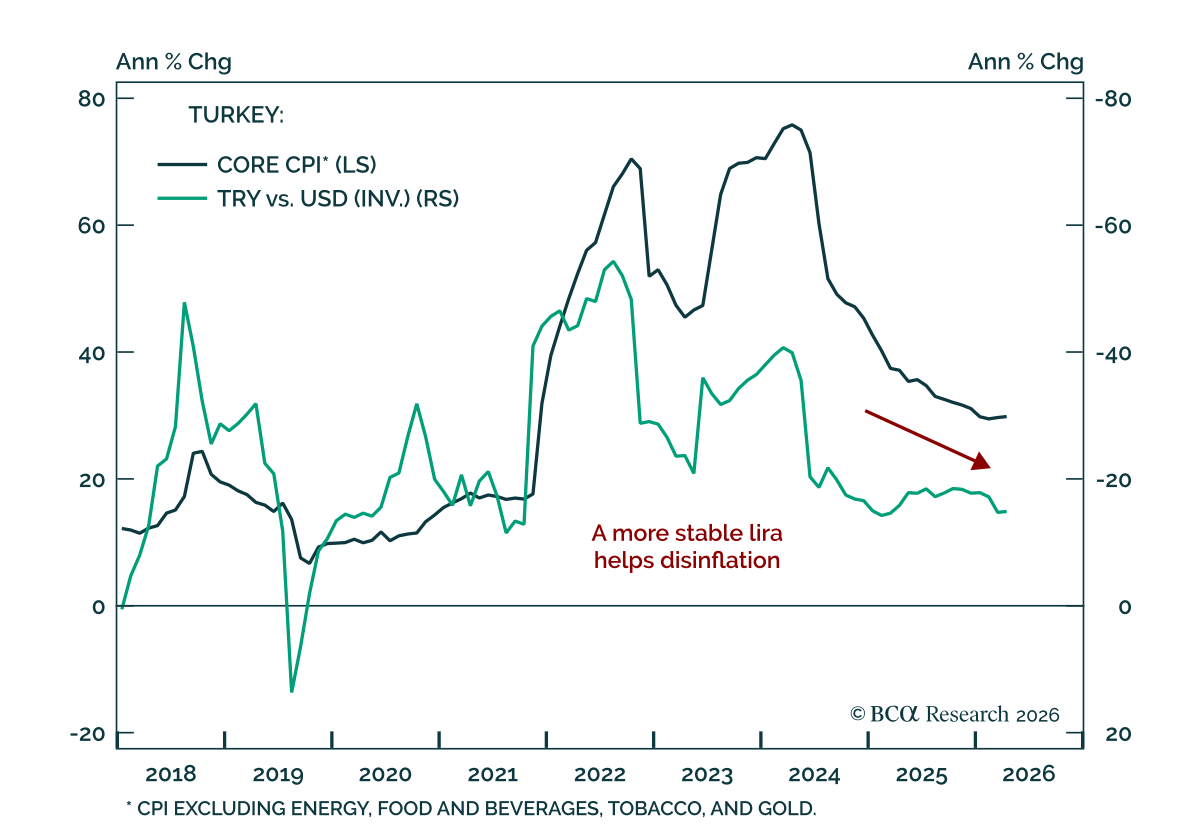
Turkish policymakers remain focused on disinflation, keeping policy decisively tight. The central bank has kept real rates very high, with average real bank lending rates for commercial loans near 20%. Non-interest government spending is stagnant in real…
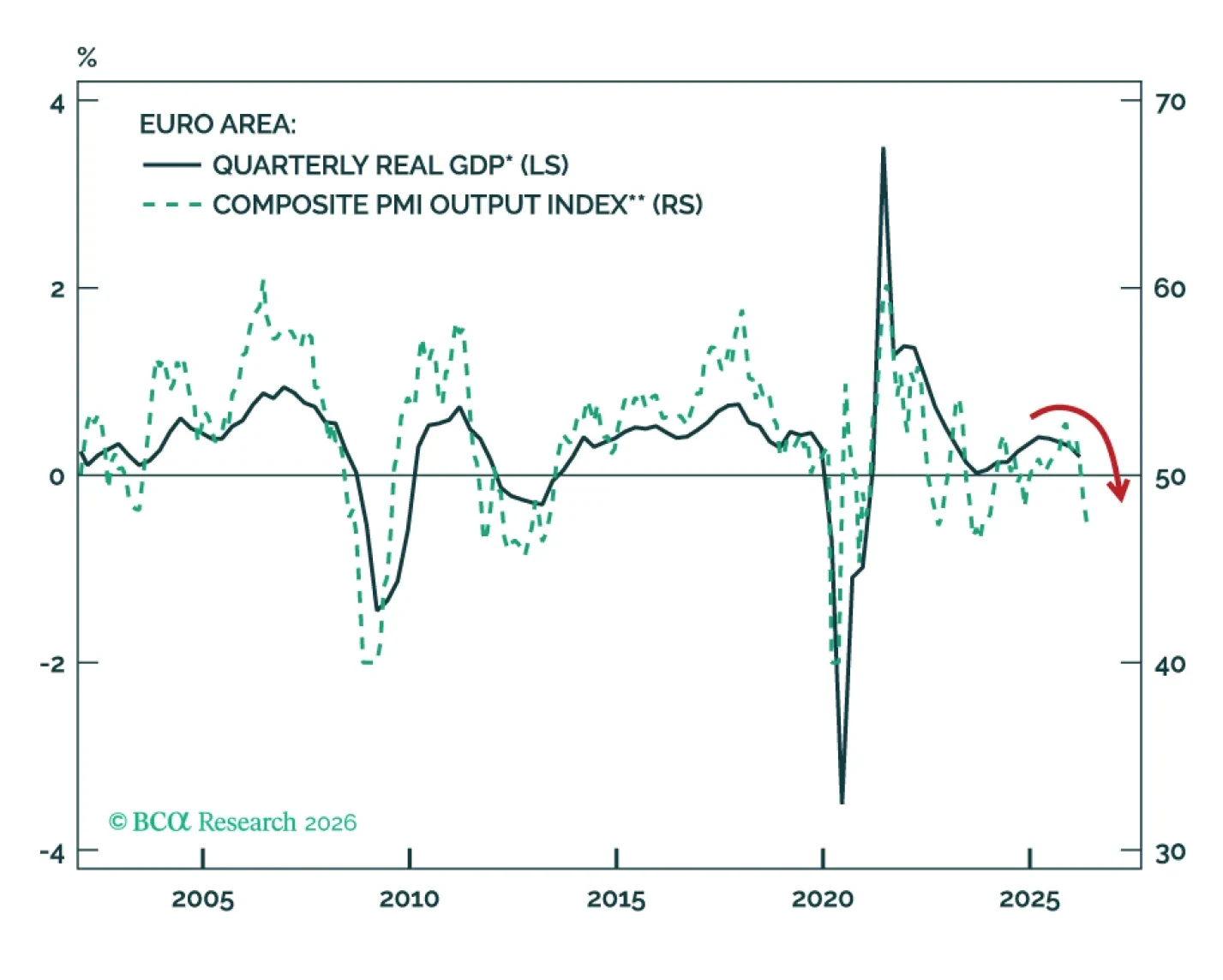
Europe is sliding from stagflation toward recession as prolonged disruptions in the Strait of Hormuz weaken growth, labor markets, and supply chains while keeping inflation elevated. Even if a US-Iran deal is reached, limited fiscal support and rising food inflation leave the Euro Area increasingly vulnerable to a deeper economic downturn.
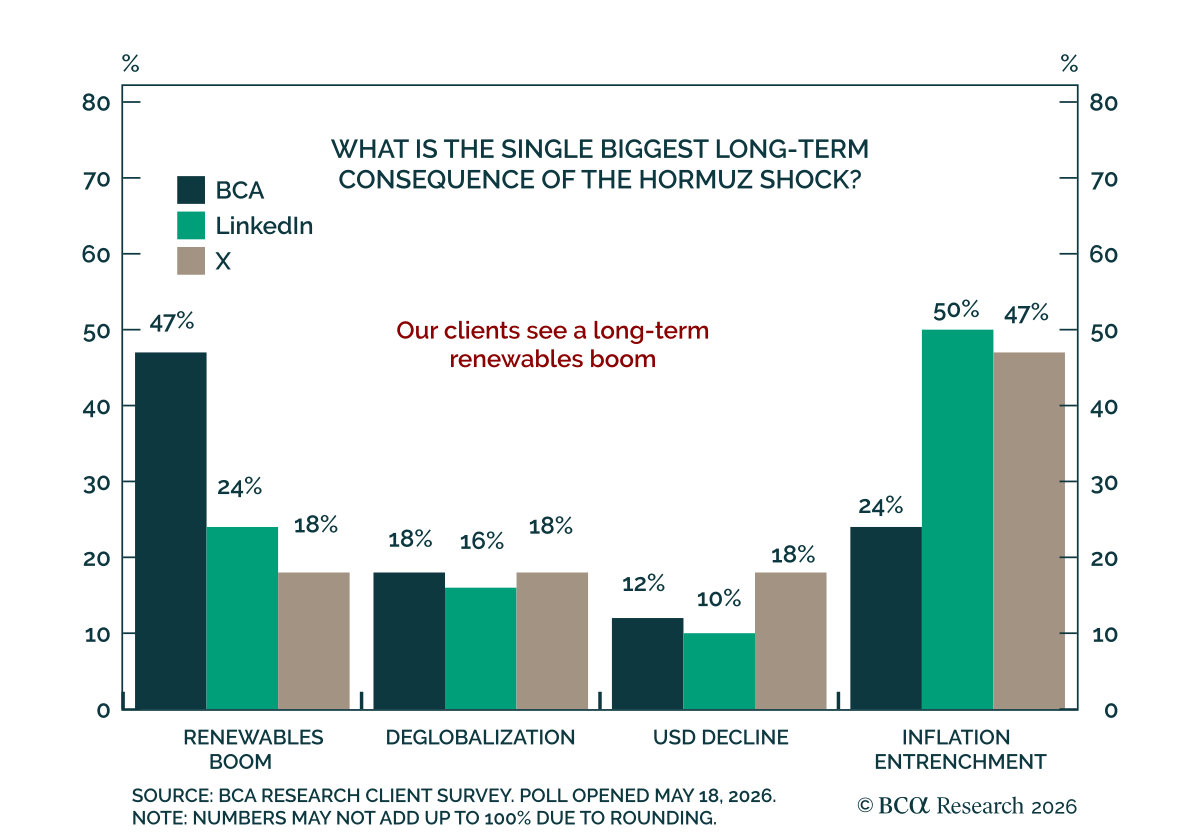
Our clients are split on the Hormuz shock’s long-term consequences. In last week’s poll, we asked what the single biggest long-term consequence would be. BCA clients leaned toward a renewables boom, chosen by 47%, while 24% pointed to inflation entrenchment.…